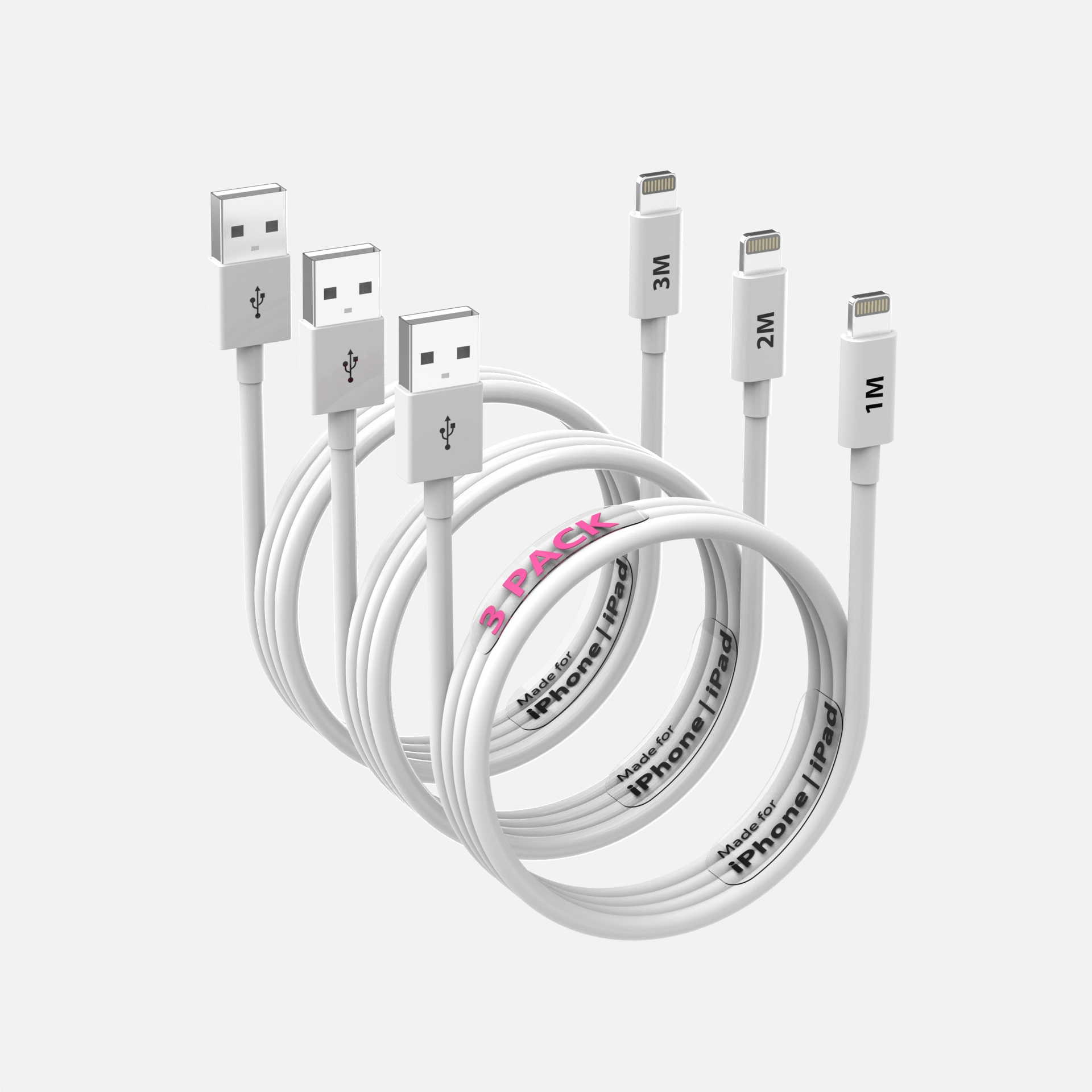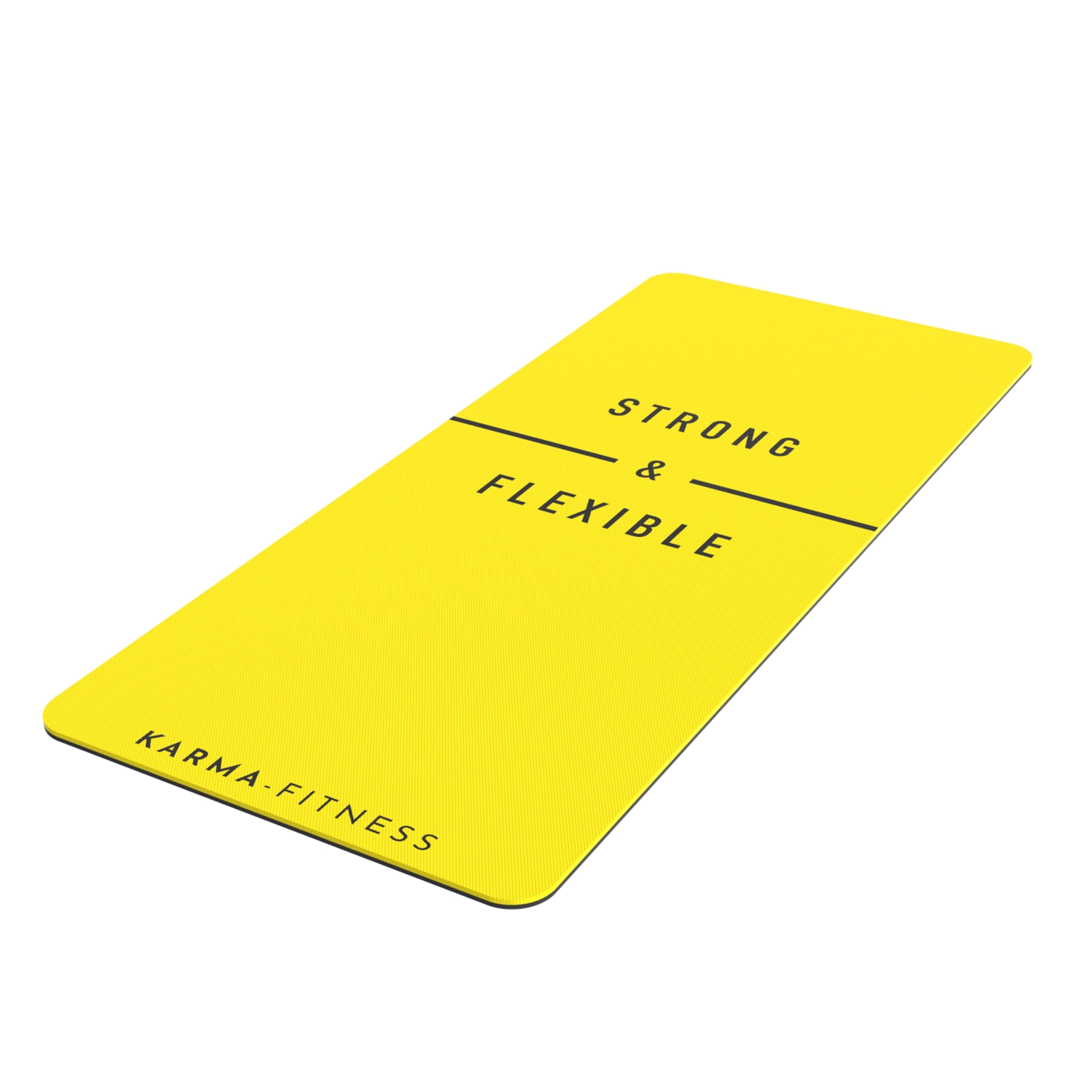
Returns are treated as a logistics problem, but a large share of them are actually a communication problem that occurred weeks earlier, on the listing page. "Not as described," "smaller than expected," "doesn’t fit", these are not defects. They are gaps between what the images promised and what the box contained. Close the gaps, and the returns that follow them disappear.
Here are the four images that do the closing.
1. The honest scale image
Size disappointment is the classic preventable return. Shoppers are terrible at converting "11.5 x 3.2 inches" into intuition, they need to see it. A dimensions overlay plus the product beside a universally understood object (a hand, a phone, a door) makes size misjudgment nearly impossible. This should be image two in your sequence, immediately after the hero.
2. The material truth close-up
"Felt cheap" returns come from imagination filling the texture gap, generously. A macro image of the actual surface, the fabric weave, the plastic grain, the coating, replaces imagination with information. Rendering helps here in a counterintuitive way: because renders are built from the real material spec, the close-up shows the honest texture at a clarity beyond most macro photography, with no flattering studio tricks baked in.
3. The installation reality check
Products that require assembly or installation collect "too complicated" returns from buyers who never understood what they were signing up for. A clear steps image, or an exploded view showing exactly which parts exist and how they meet, filters out mismatched buyers before purchase and doubles as the instruction sheet after. We render these constantly for technical products, and clients report the same pattern: support tickets drop alongside returns.
4. The what’s-included flat-lay
"Parts missing" complaints where nothing was missing come from box-content ambiguity. One image, every included item laid out and labeled, count visible. Thirty minutes of work; permanent ambiguity removal.
The mindset shift
Notice what these four have in common: none of them make the product look better. They make it look clearer. Conversion-focused images win the sale; expectation-focused images protect it. A listing needs both, and sellers who only optimize for the click are quietly paying for it in reverse logistics.
The compounding bonus: fewer returns feed back into seller metrics and review sentiment, which feed rank, which feeds sales. Expectation-setting images are among the highest-ROI assets on a listing precisely because they pay out twice.
Want your four? Show us the product, the exploded views and macro shots are our home turf, and there is plenty of both in the portfolio.
See this quality on your own product
First-time clients get a complete, high-resolution 3D render of their product for $130. Judge the quality before committing to a full package.