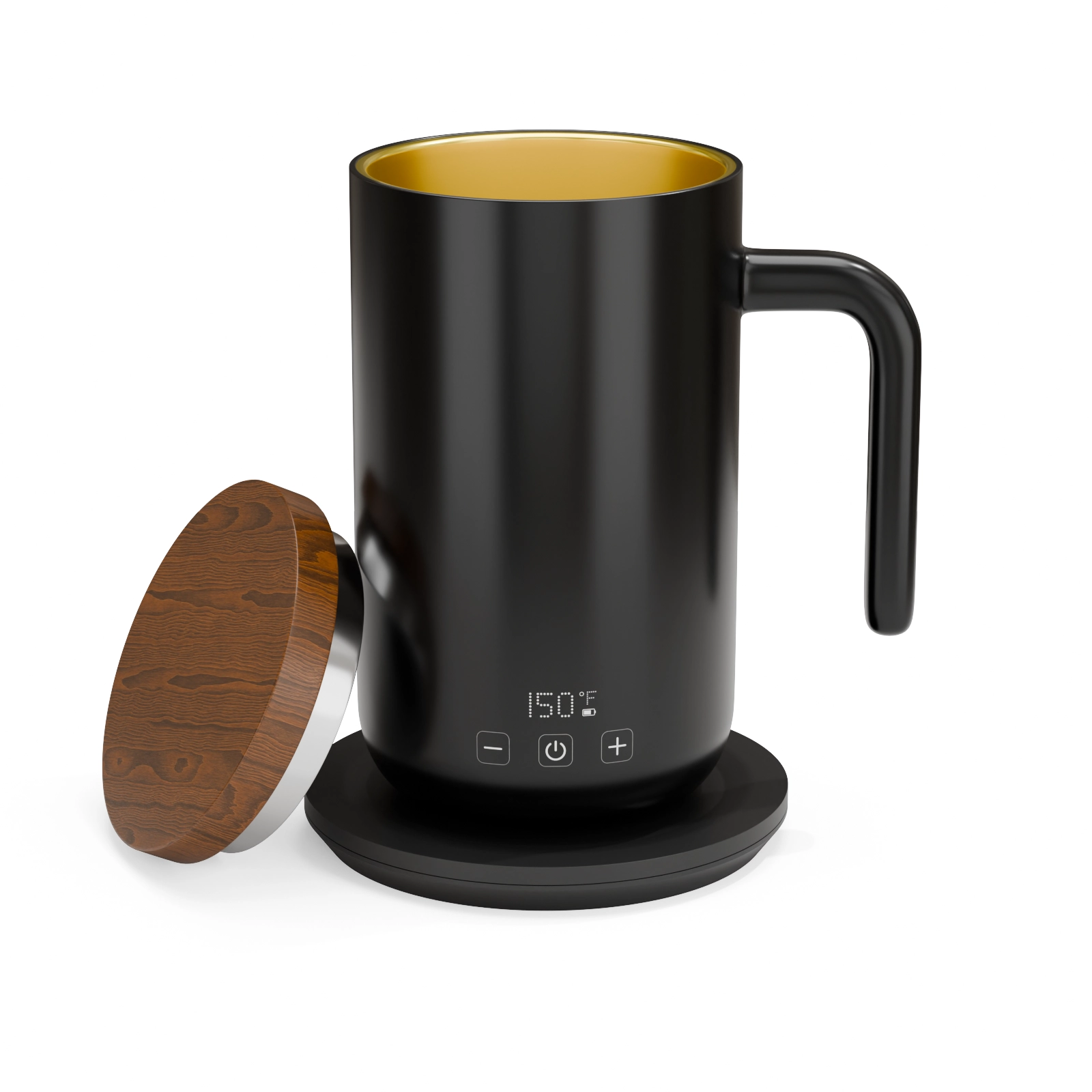
"How much does a 3D render cost?" is the first question every brand asks us, and the answers you find online range from $50 to $50,000, which helps nobody. Here is how pricing actually works in 2026, including what we charge and why.
The short answer
For ecommerce-quality photorealistic renders, expect:
- $50 to $200 per image from offshore freelancers (quality varies wildly, revisions are slow, and you own the risk)
- $300 to $800 per image from specialized ecommerce rendering studios
- $1,000 to $5,000+ per image from advertising-grade CGI houses that serve global consumer brands
Most Amazon and Shopify brands land in the middle tier: professional quality, listing-optimized, without paying agency overhead.
What actually drives the price
1. Modeling complexity
A simple bottle is hours of work. A device with 40 internal components, threads, and moving parts is days. Modeling is usually the largest single cost, which is also why it's a one-time cost. Once your product is modeled, every future image reuses that asset.
2. Materials and realism level
Clear glass, liquids, brushed metal, and translucent plastics are the hardest materials to make photoreal. This is where cheap renders visibly fail: plastic that looks like clay, glass with dead reflections.
3. Scene and lighting
A white-background packshot is faster than a full lifestyle environment with props, surfaces, and staged lighting. Infographic and A+ layouts add design time on top of rendering time.
4. Number of images from the same model
This is the lever smart brands pull. The second, third, and tenth image from an existing model cost far less than the first, because the expensive work is done. A full listing set (hero, angles, macro details, infographics) priced as a package is dramatically cheaper per image than ordering one at a time.
5. Animation
Product animations (turntables, exploded assemblies, feature sequences) are typically priced per second of final footage and reuse your existing model. Simple turntables start in the low hundreds; scripted 20 to 30 second brand films run into the thousands.
Freelancer vs. studio: the real trade-off
Freelancer marketplaces will always show you lower numbers. What they don't show is the revision loop: unclear briefs, week-long response times, and renders that need to be redone by someone else. Studios cost more per image because you're paying for a pipeline, consistent quality, predictable delivery, and files that meet Amazon's technical specs the first time.
How we price it
Our single-product packages start at $490, scoped by the four factors above. And because the biggest fear brands have is paying before seeing quality, first-time clients can get one complete high-resolution render of their own product for $130, a real deliverable, not a mockup, so you can judge the quality before committing to a full package. See current packages or book a test render.
Budgeting rule of thumb
If your product sells for $20+ on Amazon, a professional image set typically pays for itself within the first few hundred units through improved click-through and conversion, and unlike a photoshoot, the 3D asset keeps producing new images for every future campaign.
See this quality on your own product
First-time clients get a complete, high-resolution 3D render of their product for $130. Judge the quality before committing to a full package.