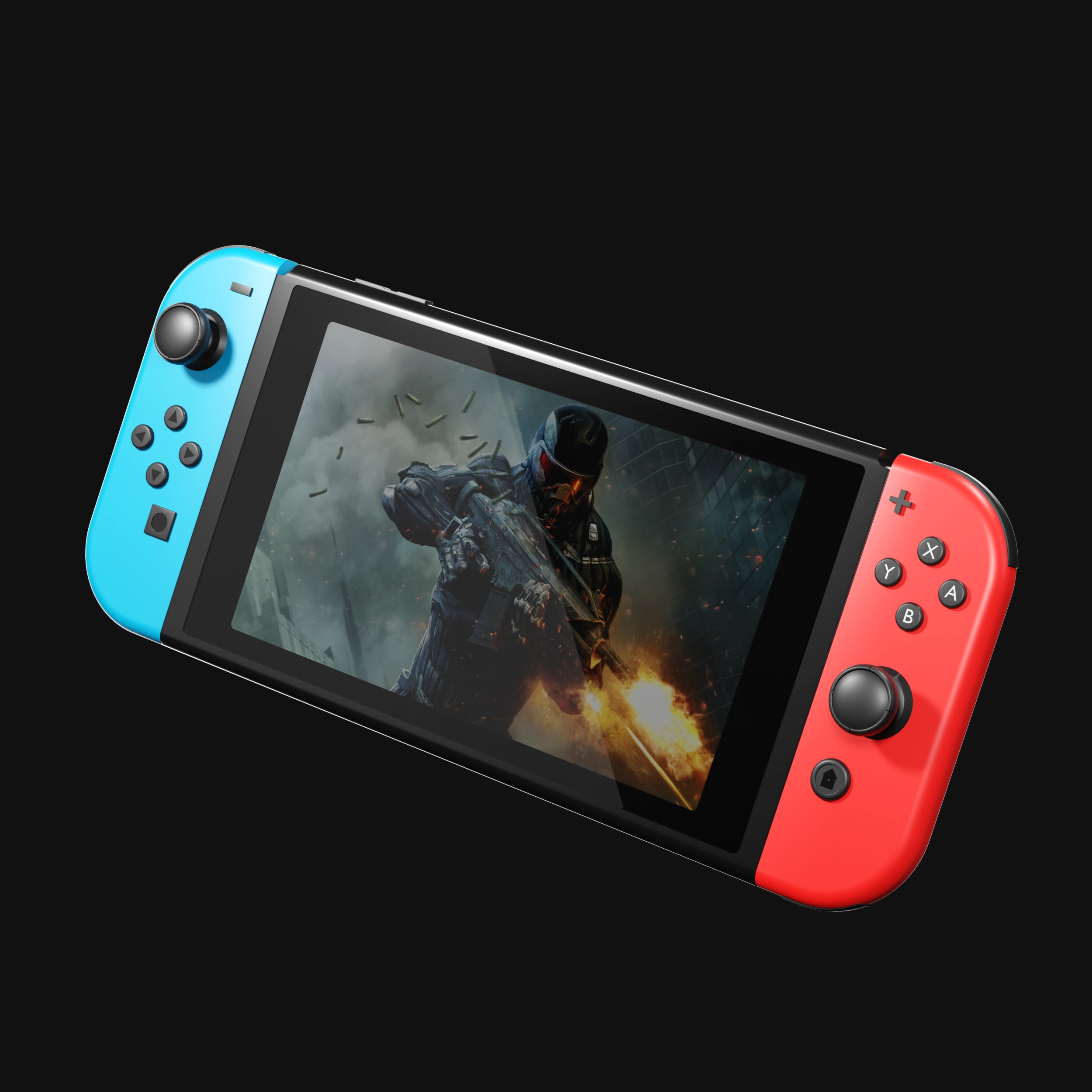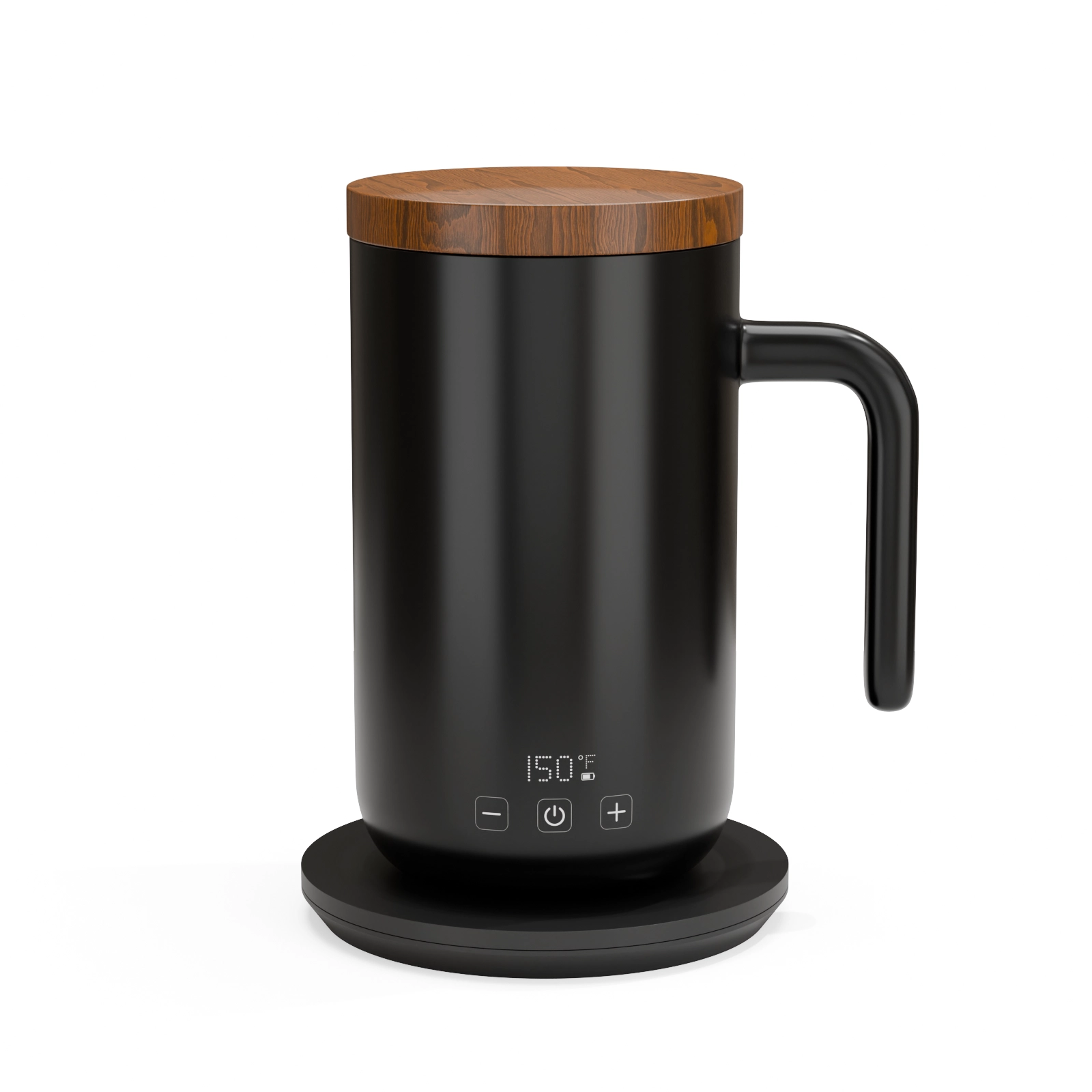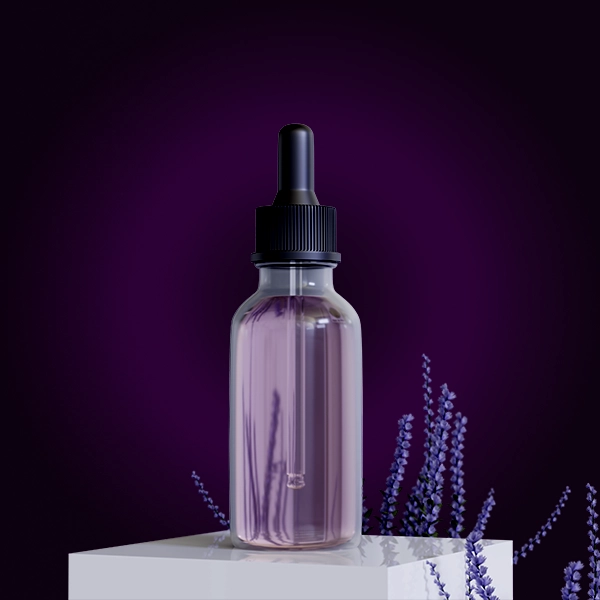
If you sell on Amazon or run a Shopify store, your product images are doing most of the selling. The question more and more brands are asking is whether those images should come from a photography studio or a 3D rendering studio. Having produced hundreds of ecommerce renders, here is the honest comparison.
What 3D product rendering actually is
A 3D render is a photorealistic image built digitally from your product's spec sheet, CAD file, or reference photos. Nothing is photographed. The "camera," lighting, materials, and environment are all constructed in 3D software, which means every element of the final image is controllable, down to the reflection on a glass bottle or the texture of a rubber grip.
Done properly, a render is indistinguishable from a high-end studio photograph. Done better than photography, it shows things a camera physically cannot: exploded views of internal components, cutaways, extreme macro texture shots, and perfect white-background packshots with zero cleanup.
Where photography still wins
Photography is the right tool when the product's appeal is organic and unrepeatable, food styling, fabric drape on a live model, lifestyle scenes with real people. If your listing depends on a human face or a bite of a cookie, shoot it.
Photography can also be cheaper for a single simple shot of a single simple product, if you already have the sample on hand and it photographs well.
Where 3D rendering wins for Amazon sellers
- No sample needed. Renders are built from spec sheets or CAD files, so you can have listing images ready before your inventory clears the factory, often weeks before launch.
- Every variant, one model. Ten colorways of the same product means ten photography setups, but only one 3D model with ten material swaps. This is where rendering costs collapse below photography.
- Infographics and A+ content. Exploded views, layered material breakdowns, and feature callouts are trivial in 3D and nearly impossible with a camera.
- Perfect consistency. Same lighting, same angle, same shadow across your whole catalog. Amazon's style guides reward this.
- Revisions without reshoots. Changed the label? Updated the packaging? A render updates in hours. A photoshoot starts over.
What about conversion rates?
Amazon's own creative guidance is clear that image quality and information density drive click-through and conversion. In our client work, the biggest lifts come not from swapping photo for render one-to-one, but from adding image types photography couldn't produce: a cutaway showing a mattress's internal layers, an exploded view of a screen protector's coatings, a macro shot of a texture the buyer needs to trust. Those images answer objections directly on the listing.
The real question isn't "photo or render?", it's "which images does my buyer need to see before they'll click Add to Cart?" 3D simply makes more of those images possible.
The cost comparison, roughly
A professional product photoshoot typically runs $500 to $3,000 once you include studio time, sample shipping, and retouching, per shoot, per variant set. A professional 3D rendering package for a single product typically runs $490 to $1,500 and the model is reusable forever: new angles, new scenes, and animations come at a fraction of the original cost.
The honest recommendation
Use photography for lifestyle imagery with people. Use 3D rendering for your main images, infographics, A+ content, and every technical or variant shot. Most successful listings we work on combine both, but the 3D renders are what carry the conversion-critical slots.
Want to see the difference on your own product? We offer first-time clients a complete, high-resolution test render for $130, see our work in the gallery or start a test render.
See this quality on your own product
First-time clients get a complete, high-resolution 3D render of their product for $130. Judge the quality before committing to a full package.