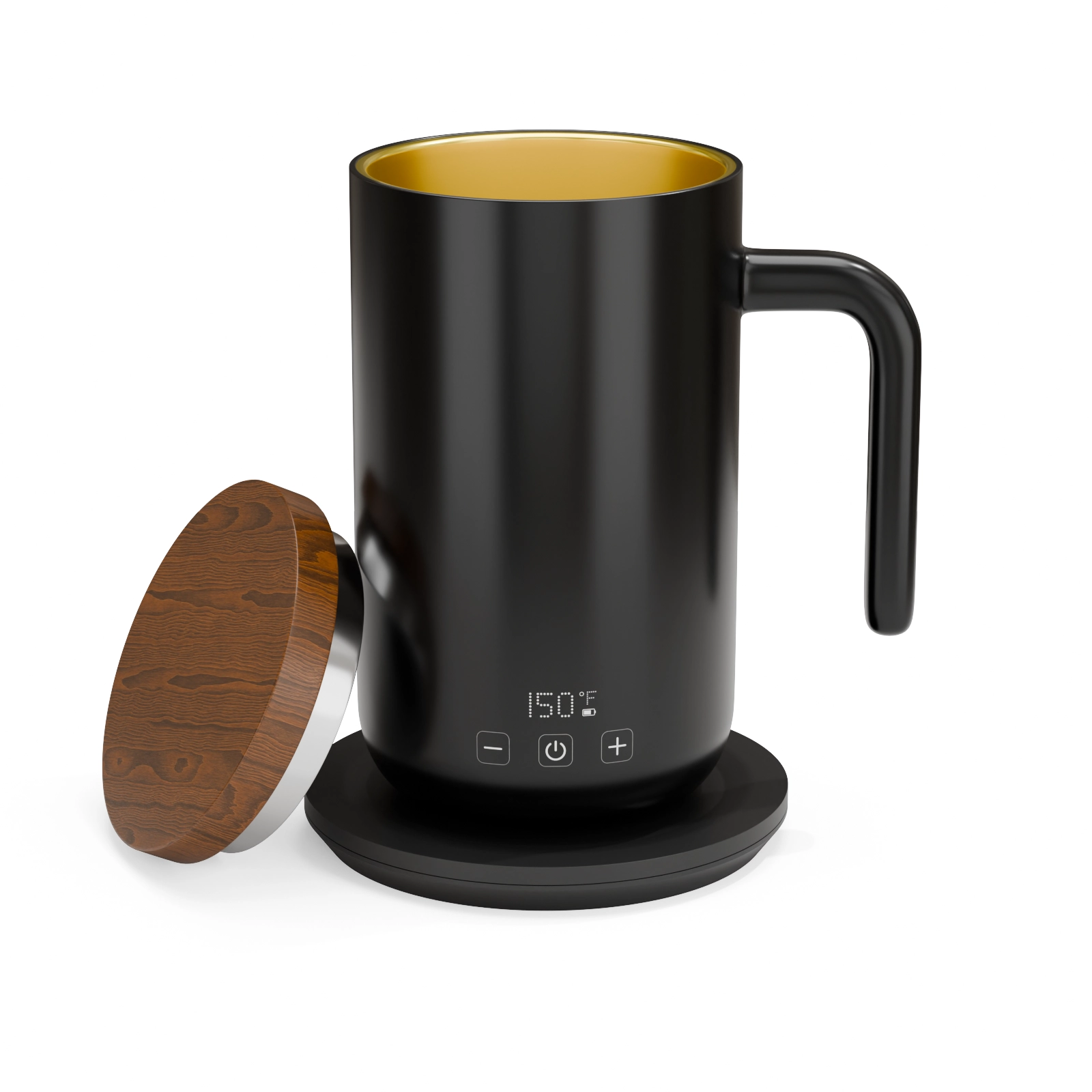
Get three quotes for "one product render" and you might receive $30, $300, and $3,000. Same request, hundred-fold spread. Nobody explains the gap, so buyers assume someone is either scamming or lying. Usually, neither, the three quotes describe three genuinely different products that happen to share a name. Here is what each price level actually buys.
Where the hours go
A render is roughly four jobs: modeling the product accurately, materials that behave like the real substances, lighting the scene like a photographer would, and post-production polish. On a quality render, modeling and materials eat most of the clock. And this is the part that surprises buyers: the difference between mediocre and excellent is concentrated in details that each take hours, edge softening, micro-texture, accurate glass thickness, deliberate imperfection. Cheap renders are cheap precisely because they skip the invisible hours.
What the $30 render is
A preset job: your CAD dropped into a template scene, default materials assigned from a library, standard lighting rig, export. Thirty minutes of work, priced accordingly. For an internal deck or a quick concept check, entirely legitimate. As the hero image your ad spend drives traffic to, the economics stop working, because the image is your click-through rate.
What the premium quote contains
Custom modeling with manufacturing-accurate details, materials built to your actual spec rather than "chrome-ish," photography-grade lighting design, revision rounds with an artist who pushes back when your feedback would hurt the image, and consistency management across a full set. Also the boring professional layer: file audits before work starts, predictable timelines, a person who answers email. You are not paying for pixels; you are paying for the removal of risk from an asset your revenue runs through.
The mismatch problem in both directions
Overbuying is real too. A products-catalog interior page with 400 SKUs does not need $3,000 hero treatment per item. The skill is matching level to purpose: launch heroes and ad creative at the top of the market, supporting catalog work at the middle, internal mockups anywhere. Distrust any studio that quotes the same tier for every use case, including expensive ones.
How to compare quotes properly
Make quotes comparable by fixing the spec: resolution, number of images, revision rounds included, who owns the model afterwards, and delivery date. Then compare portfolios at zoom, not at thumbnail size, the price gap lives in the zoom. A studio’s $300 and another’s $300 can still be different products; the portfolio arbitrates.
Or skip the theory
Pricing pages and portfolios are claims. Output is evidence. We built our $130 first-render offer specifically to collapse this comparison problem: run us head-to-head against any quote you are considering, on your actual product, and let the pixels argue. Our full pricing breakdown is here, no ranges hiding surprises.
See this quality on your own product
First-time clients get a complete, high-resolution 3D render of their product for $130. Judge the quality before committing to a full package.