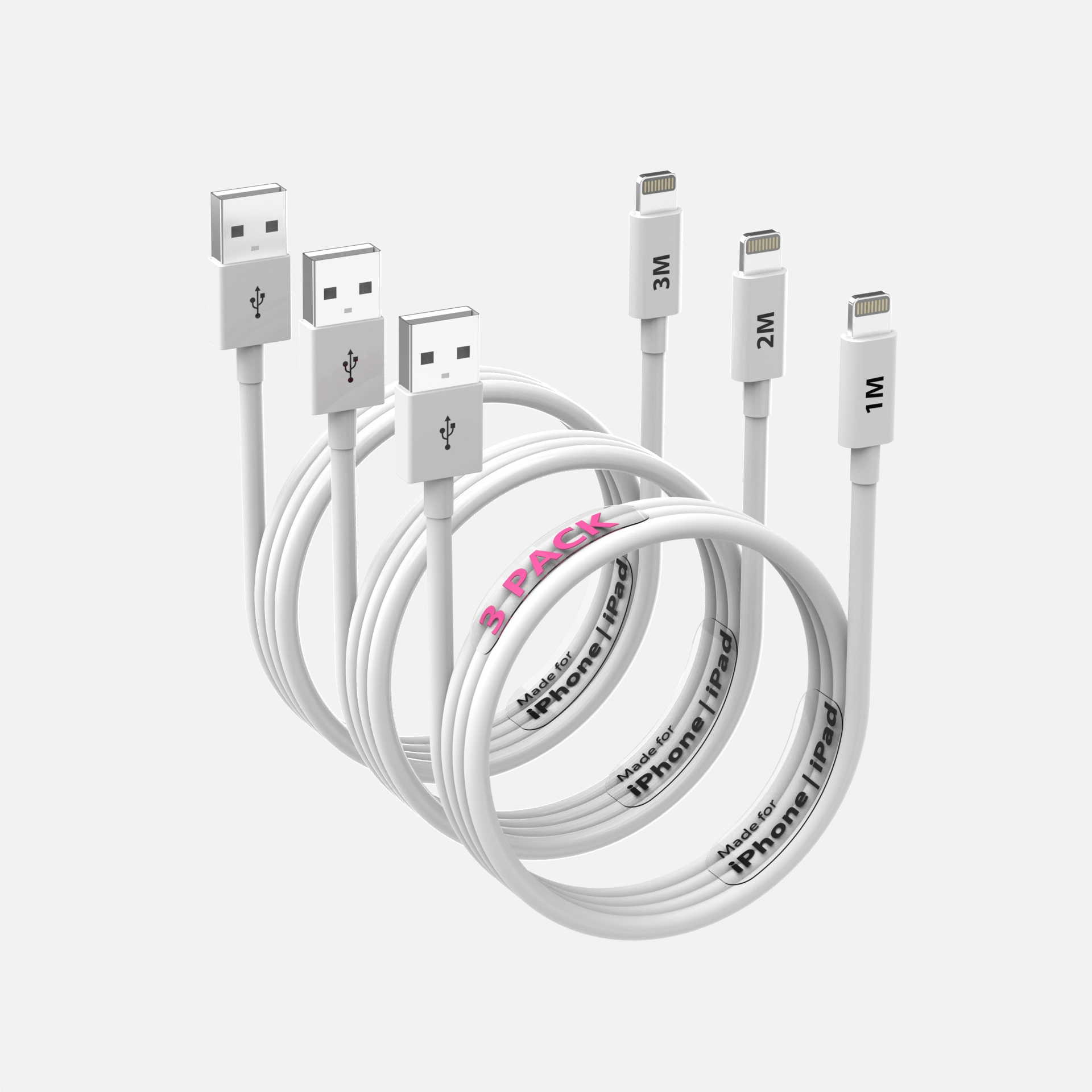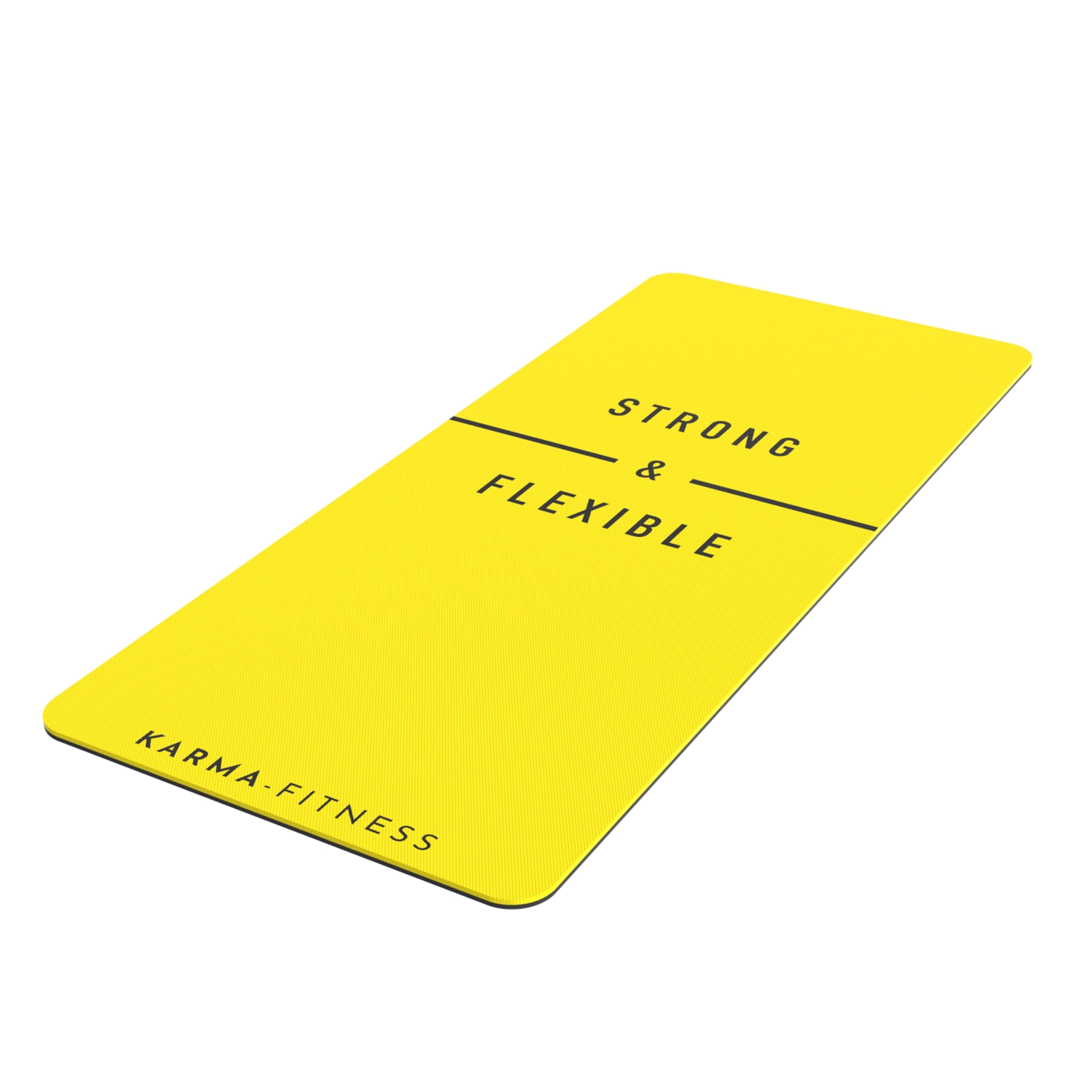
Here is the fact that changes how you think about PPC budgets: in Sponsored Products, the workhorse ad format on Amazon, you do not design the ad. Amazon assembles it from your listing, and the dominant visual element is your main image. Every click you buy is bought through that image. Weak image, expensive clicks. It is that direct.
The CTR chain reaction
Ad platforms reward engagement. When your ad earns clicks at a higher rate, the auction treats your ad as more relevant, which improves your effective position and cost. The reverse also holds: a low-CTR ad pays a persistent penalty on every auction it enters. Since the main image dominates thumbnail-level attention, image quality is not a branding nicety in PPC, it is a bid modifier you set once and pay (or collect) forever.
Same budget, two different outcomes
Run the mental experiment: two identical products, identical bids, identical keywords. One has a supplier catalog photo; one has a sharp, frame-filling, dimensionally-lit hero. The second earns more clicks per thousand impressions, which means more traffic for the same spend, better auction treatment, and, assuming the listing behind it converts, a structurally lower cost per sale. The image did that, not the bidding strategy.
Sponsored Brands and video slots
Beyond Sponsored Products, the creative-controlled formats raise the stakes further. Sponsored Brands lets you choose lifestyle imagery, rendered scenes give you exact art direction without location shoots. Sponsored Brands Video occupies some of the most attention-dense real estate in search results, and a product animation from your existing 3D model is the natural way to feed it. Sellers who already invested in a 3D model for their listing get these ad creatives at marginal cost, the model is the asset; each format is just another output.
Landing page coherence
One subtle killer: ads that win the click and lose the customer because the listing images disappoint after the ad promised polish. Creative consistency between ad and listing, same product presentation, same quality bar, protects the conversion side of your ACOS math. This is trivially automatic when all assets come from one rendered set.
The audit worth doing today
Pull your highest-spend campaign. Look at its main image at thumbnail size, next to the competitors bidding on the same keywords. If yours is not obviously the strongest image in that row, you are subsidizing the auction for everyone else in it. Before touching bids again, fix the pixel you are paying to show people.
See this quality on your own product
First-time clients get a complete, high-resolution 3D render of their product for $130. Judge the quality before committing to a full package.