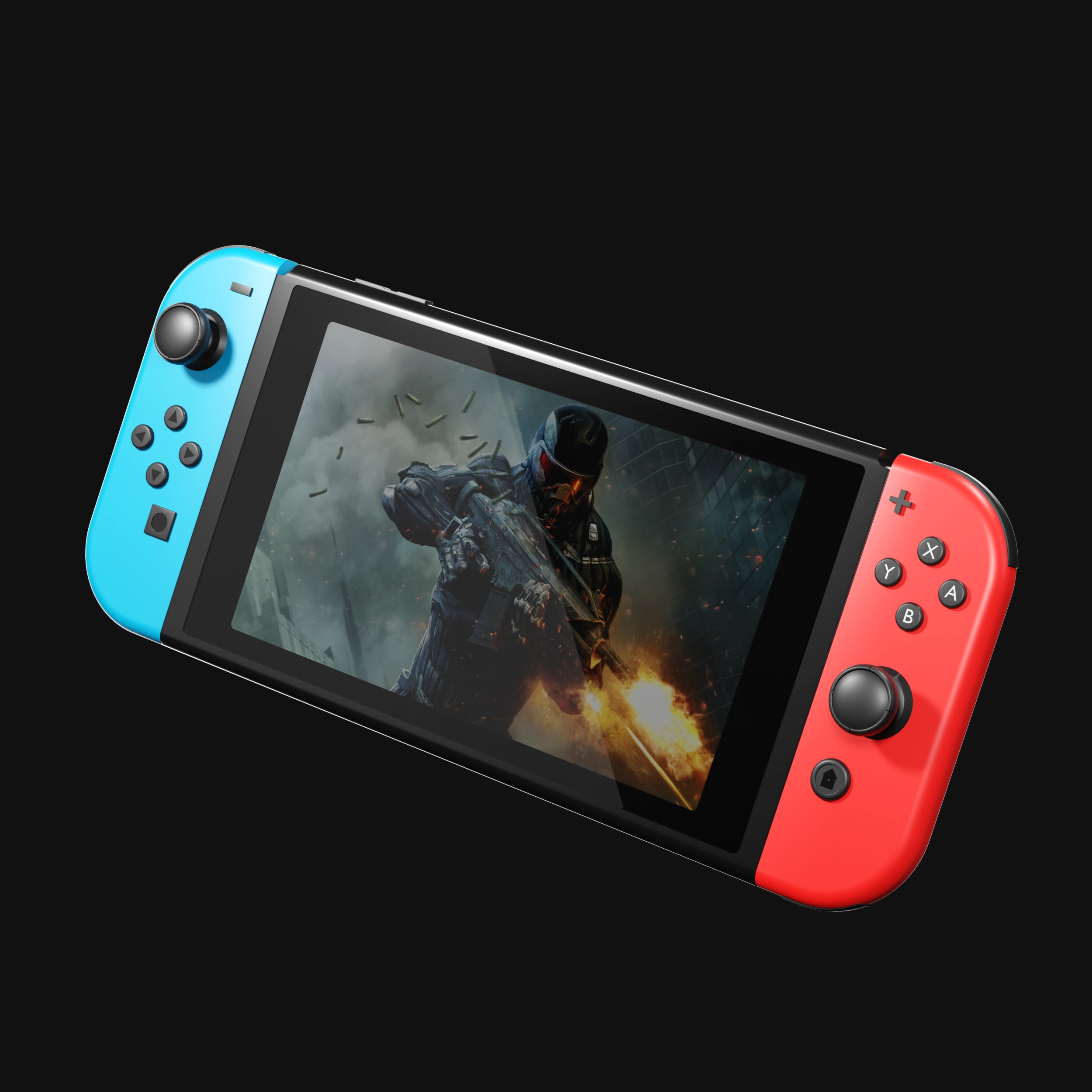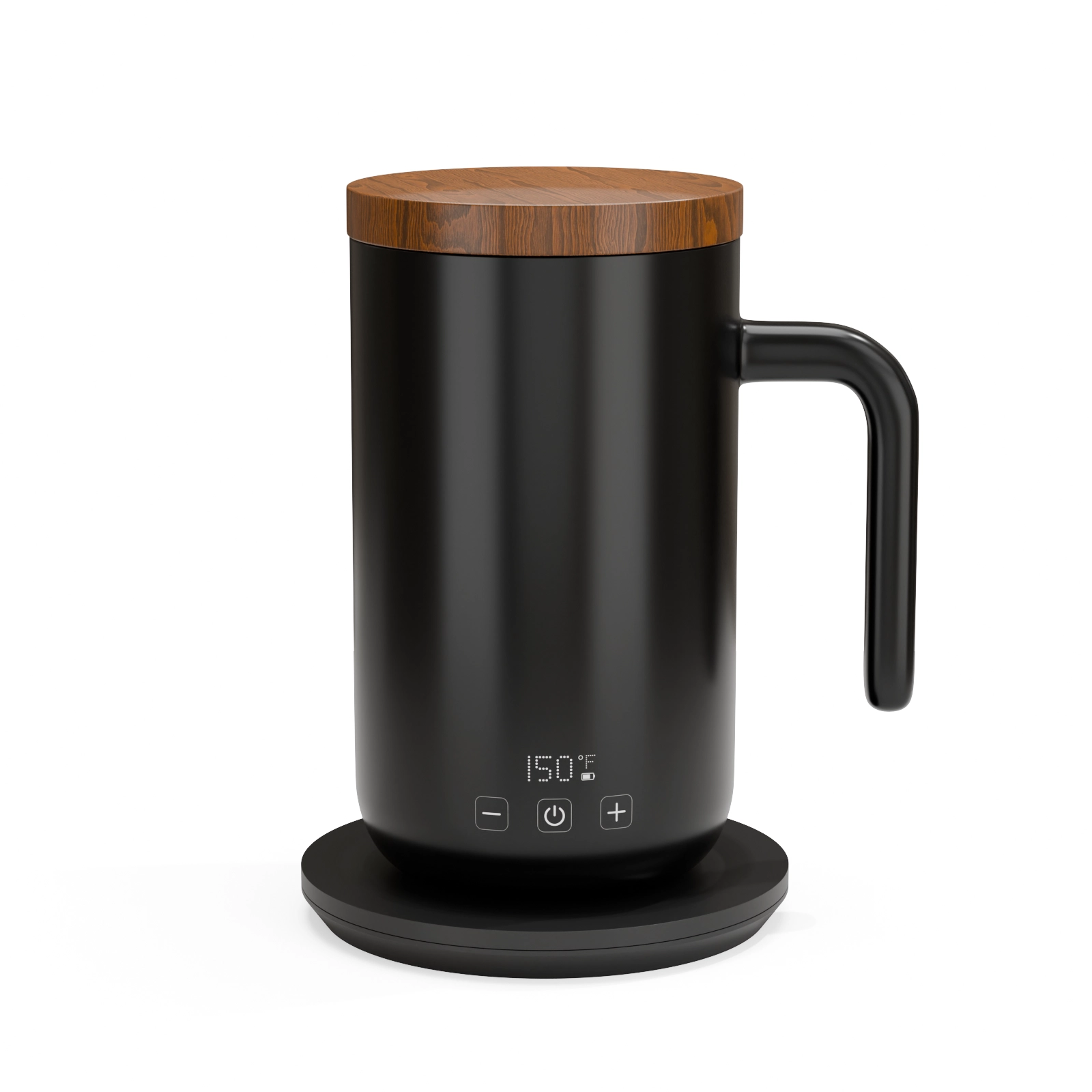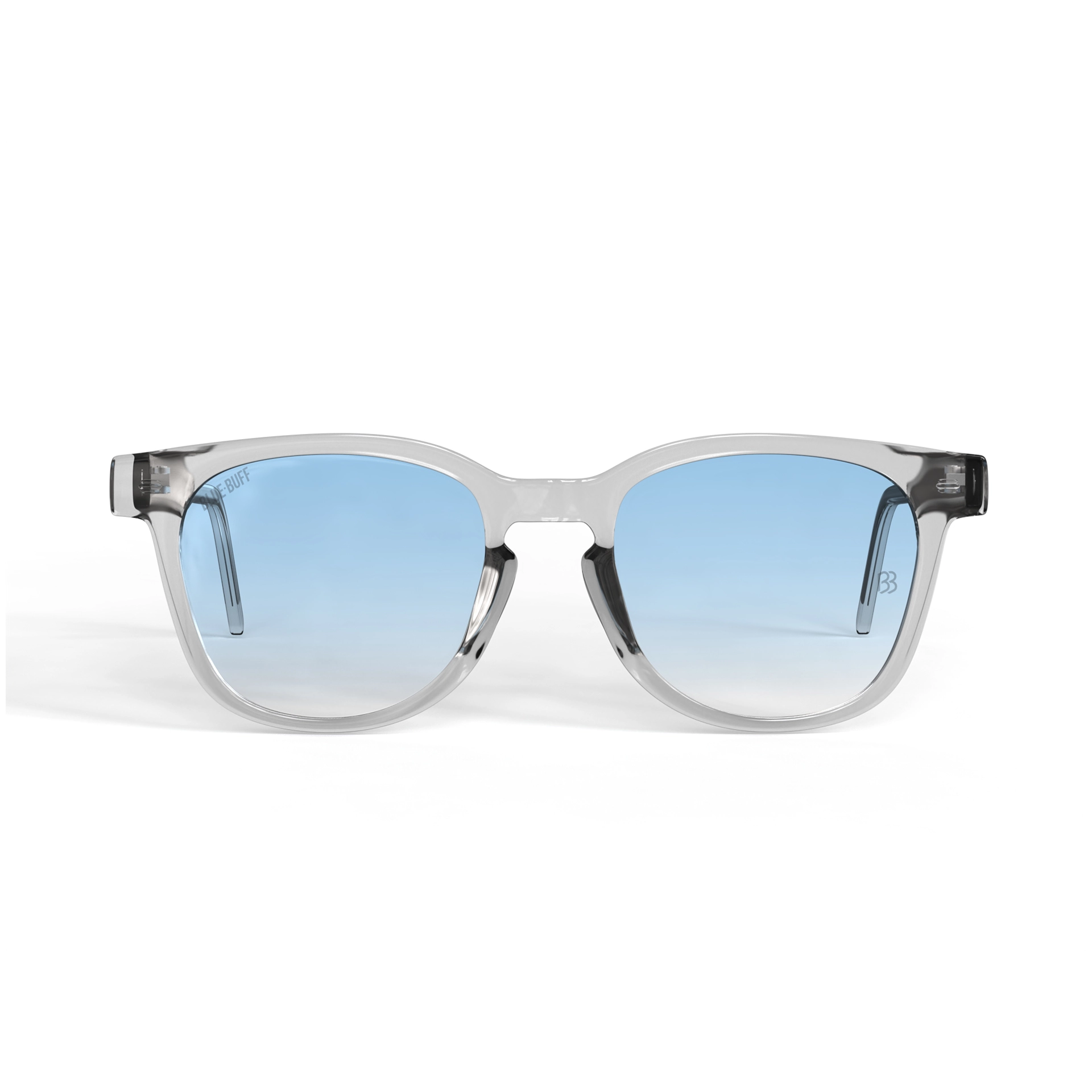
We talk to brand owners every week, and the same six objections come up again and again. Some were true ten years ago. None are true now, and believing them has a real cost, because the competitor who does not believe them is already using renders against you.
Myth 1: "Renders look fake"
Bad renders look fake. So do bad photos. Modern rendering engines simulate physical light behavior, refraction, subsurface scattering, micro-surface roughness, accurately enough that well-executed renders are indistinguishable from photography. The tell-tale "CGI look" people remember comes from cheap work, not from the medium.
Myth 2: "Amazon doesn’t allow rendered images"
Amazon’s image requirements govern what images must show: accurate representation of the product, white background for the main image, minimum resolution, not how they were created. Renders that truthfully represent the product are used across virtually every major category, including by Amazon’s own brands. What is prohibited is misleading imagery, and that rule applies equally to photos.
Myth 3: "It’s only for big brands with big budgets"
The economics actually favor small brands. A large brand can absorb repeated photoshoots; a small brand cannot. One 3D model that generates the main image, six secondary images, every color variant, and next season’s campaign visuals is the budget-stretching option, not the luxury one. Our pricing guide puts actual numbers on this.
Myth 4: "I need 3D files to get started"
Helpful, not required. Studios routinely model from photographs of a sample, spec sheets, or technical drawings. The full list of what works is in our file requirements article.
Myth 5: "Photos of the real product convert better because they’re authentic"
Shoppers do not reward authenticity of process; they reward clarity. They cannot tell how an image was made; they respond to whether it shows the product sharply, from useful angles, with visible detail. On those axes, rendering has structural advantages: perfect lighting, impossible camera positions, exploded views, macro detail beyond lens physics.
Myth 6: "Once I have renders, I’m locked into one studio"
Ask about model ownership before you start; reputable studios will tell you plainly what you receive. Final images are yours. Whether the editable 3D scene transfers is a contract question, so make it part of the brief. (It is one of the checklist items in our briefing guide.)
The pattern behind all six
Each myth survives on outdated information or one bad experience with cheap work. The antidote to both is the same: judge current, real output on your own product. That is what the $130 test render is for.
See this quality on your own product
First-time clients get a complete, high-resolution 3D render of their product for $130. Judge the quality before committing to a full package.