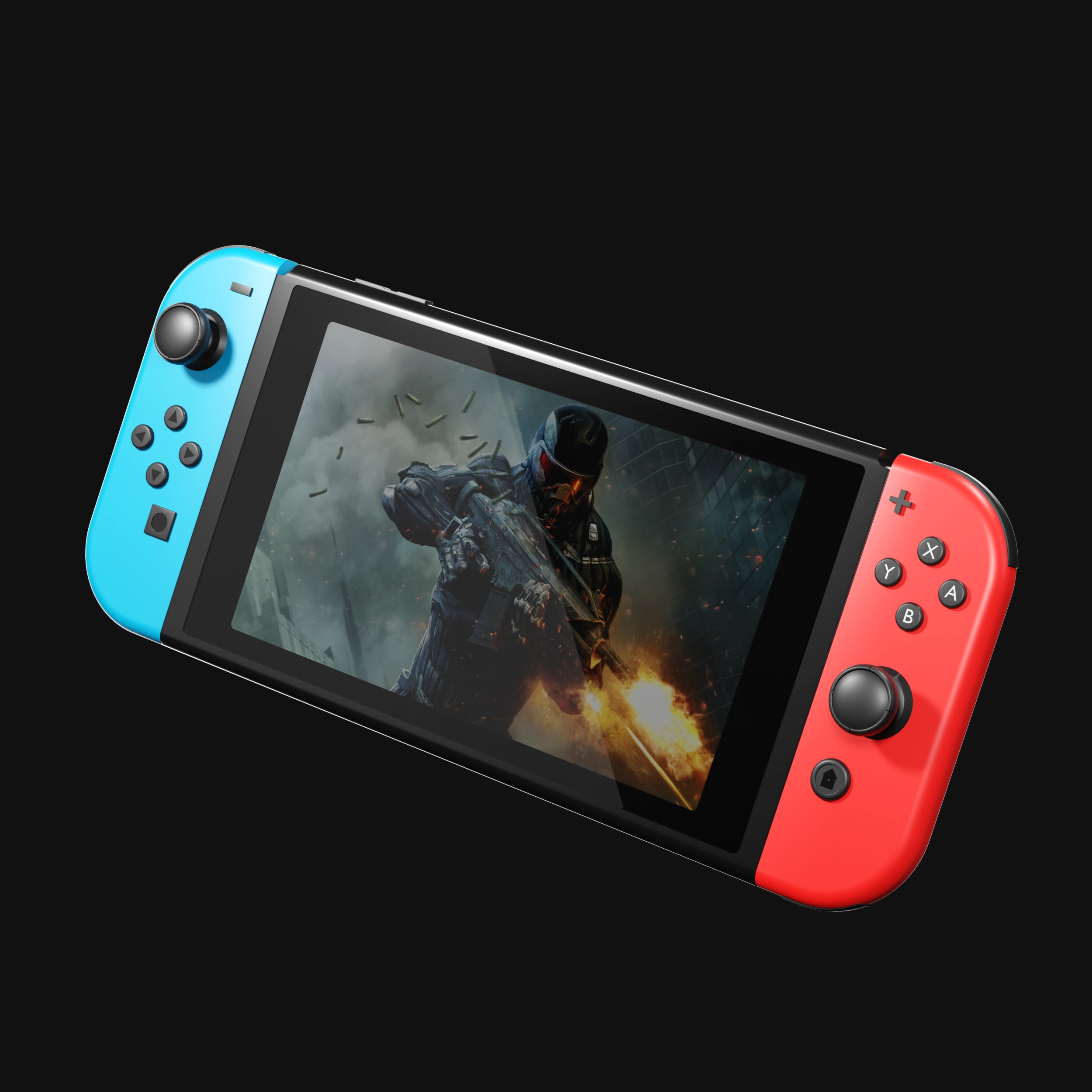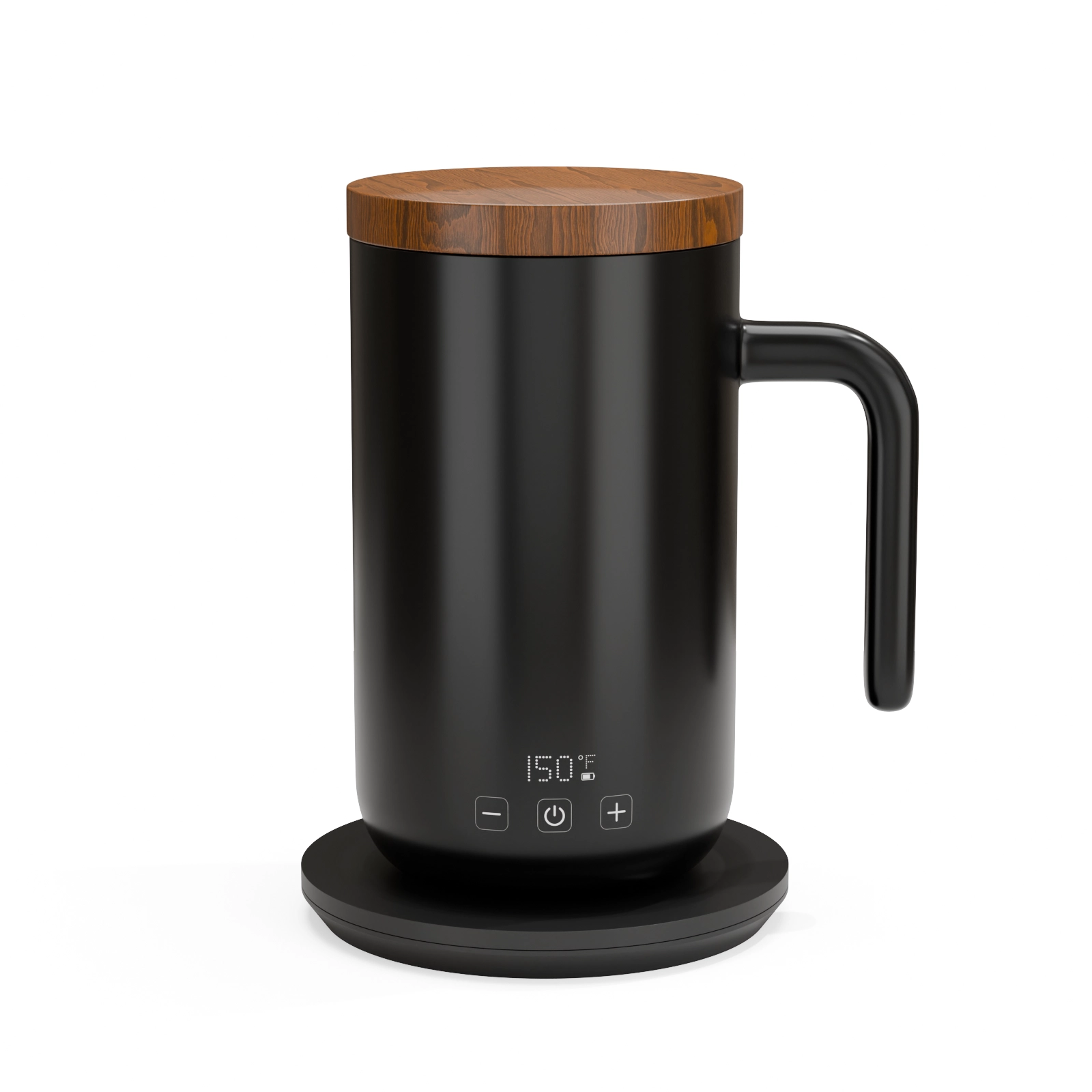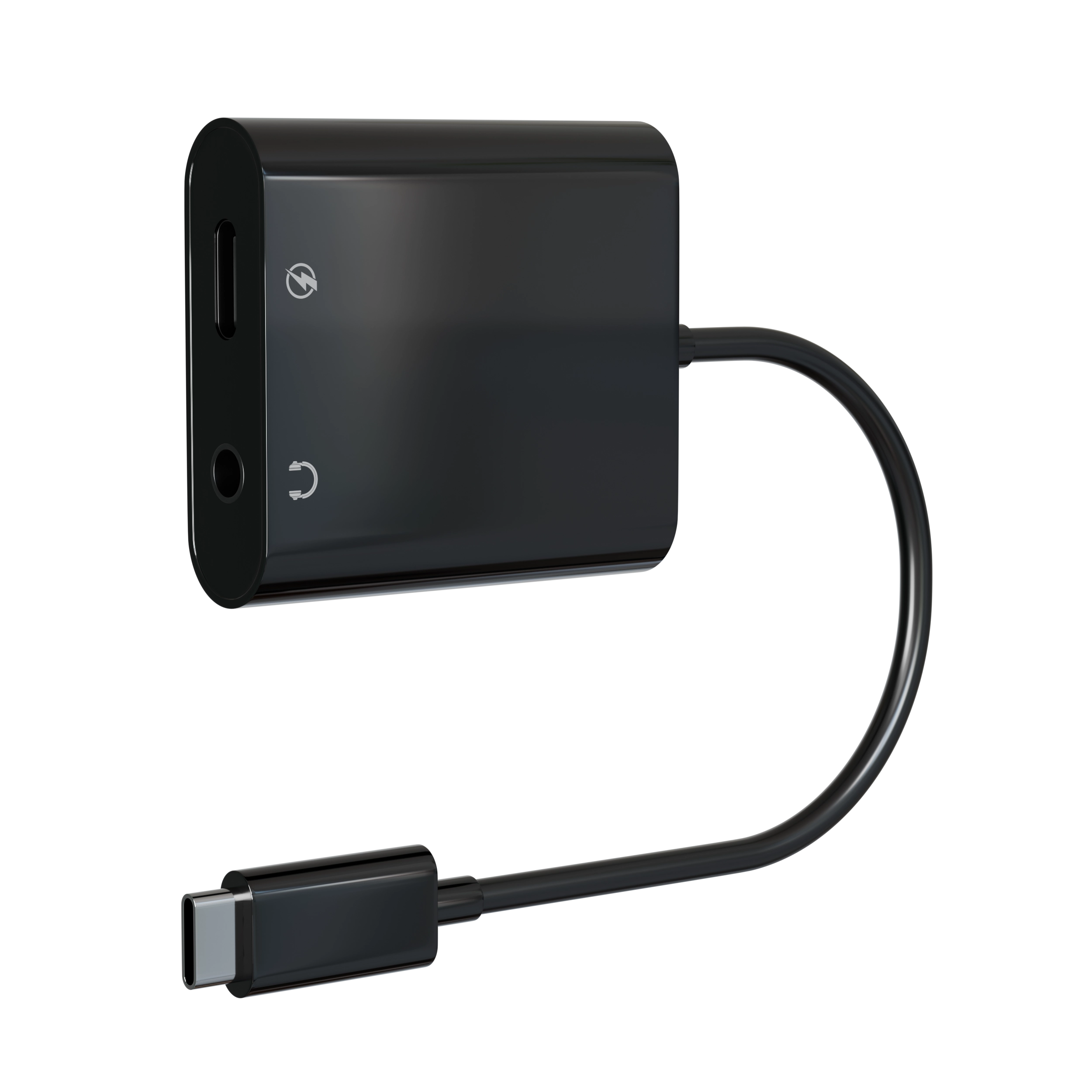
Crowdfunding has a structural problem: you need compelling imagery of a product to raise the money that will pay for manufacturing the product. Photography cannot solve this, because there is nothing to photograph.
This is the purest case for 3D visualisation, and it is why virtually every successful hardware campaign uses it.
What backers are actually evaluating
Backers on Kickstarter and Indiegogo have been burned enough to have developed a sceptical eye. They are not only assessing whether they want the product. They are assessing whether the team can deliver it.
Imagery signals both. Renders that show real engineering understanding, tolerances, how parts fit, what the internals look like, read as evidence that the design is genuinely resolved. Vague, over-stylised imagery that avoids detail reads as a concept looking for funding.
This means the most persuasive assets in a campaign are often not the beauty shots. They are:
- Exploded views showing every component, which demonstrate the design is complete
- Cutaways revealing internal architecture
- Dimensional drawings with real measurements
- Material callouts naming actual specifications rather than adjectives
- Assembly sequences showing how it goes together
- Scale references against familiar objects
Each of these says the same underlying thing: we have actually designed this.
The honesty question
There is a real ethical line here, and campaigns cross it often enough that platforms have tightened rules.
A render shows an idealised object. Real manufacturing introduces tolerances, seam lines, slight colour variation, moulding marks. If your campaign imagery shows a seamless unibody and the delivered product has a visible parting line, backers will notice and say so publicly.
Reasonable practice:
- Render what you are actually manufacturing, from the production CAD, not an aspirational design study
- Include parting lines, fastener positions and realistic surface finish rather than idealising them away
- Label renders as renders. Most platforms require this and backers respect it
- If a feature is not finalised, say so rather than showing it resolved
- Update imagery as the design changes through DFM
Campaigns that do this build trust. Campaigns that show a concept and deliver a compromise generate the refund threads that follow a brand for years.
Beyond the campaign page
The renders produced for a campaign have a working life well past the funding period, which changes the cost calculation considerably:
- Retail and distributor conversations, which often start before shipping
- Press kits, where publications need high-resolution assets on short notice
- Ad creative for the paid traffic most campaigns now require
- The post-campaign ecommerce store, where the same assets carry into normal selling
- Amazon listings at launch, where marketplace-compliant versions can be derived from the same scenes
- Certification and regulatory documentation, where exploded views double as technical illustration
Budgeting the imagery against the campaign alone understates its value substantially.
What a campaign asset set typically needs
- One strong hero image for the campaign header and press
- Three to five feature-explaining images, each addressing one benefit
- An exploded or cutaway view
- Dimensional and scale imagery
- Colourway variants if you are offering choices, since backers select at pledge time
- Contextual scenes showing use
- Ideally a short animation, since campaign pages with video convert materially better
Timing it properly
The common mistake is commissioning imagery too late, when the campaign date is set and the CAD is still moving. Renders built from an unfinished design need redoing.
Better sequence: get the design to a stage where the external geometry is stable, even if internals are still being refined. External stability is what renders depend on. Start imagery then, in parallel with DFM work, rather than after it.
For a typical campaign, four to six weeks before launch is comfortable. Two weeks is achievable but leaves no room for the revision rounds you will want once you see the first images.
What to prepare
- Production-intent CAD, in STEP or native format
- Material and finish specifications, including exact colours
- The features you need each image to communicate, in priority order
- Your platform's imagery requirements and dimensions
- Whether you need animation as well as stills, decided upfront since it affects how scenes are built
The realistic view
Good campaign imagery does not guarantee funding. Product, price, audience and marketing do more. But poor imagery reliably caps a campaign, because it fails the credibility test before the pitch is read.
For a hardware launch, it is among the highest-leverage spends available, and unlike most campaign costs, the asset keeps working long after the funding closes.
See this quality on your own product
First-time clients get a complete, high-resolution 3D render of their product for $130. Judge the quality before committing to a full package.