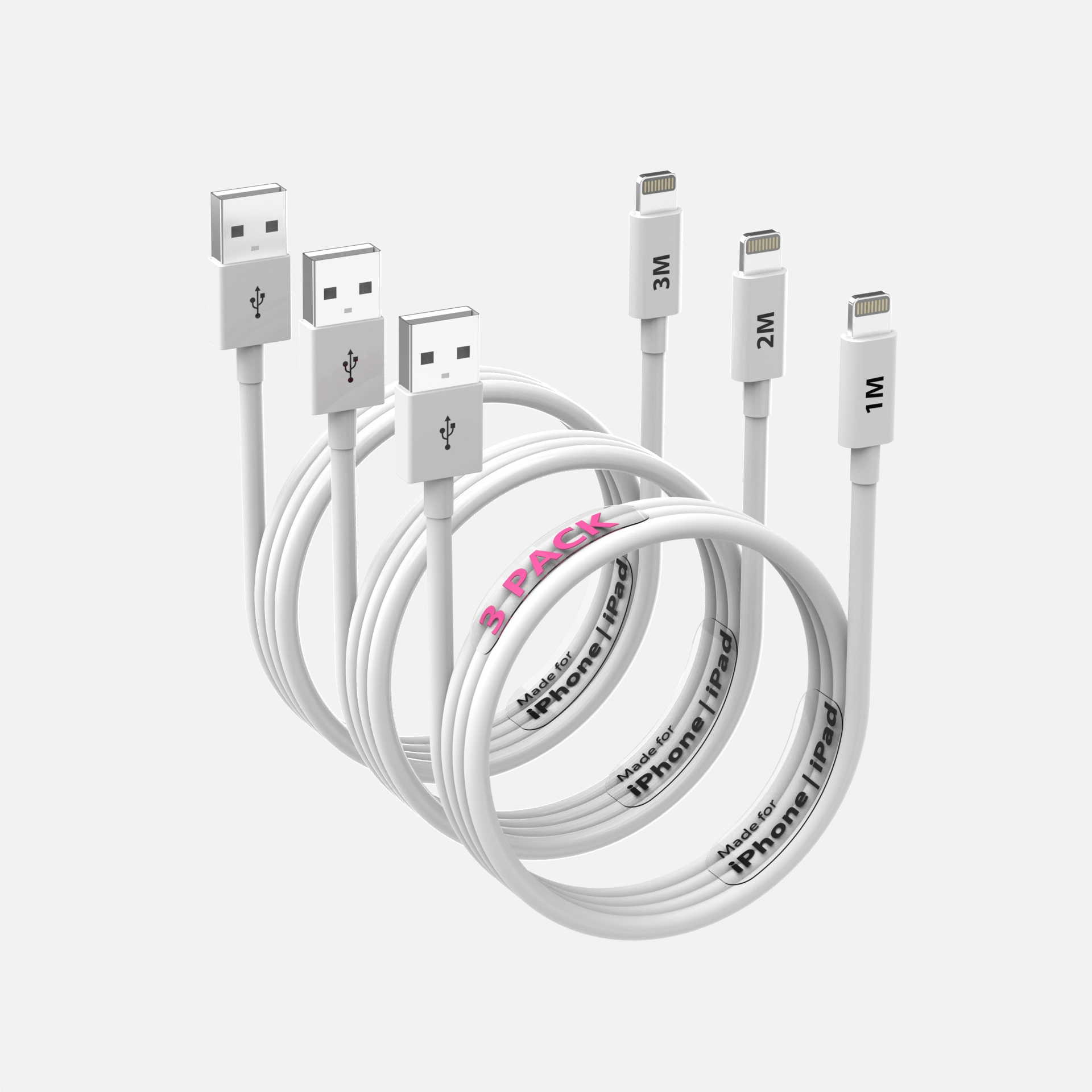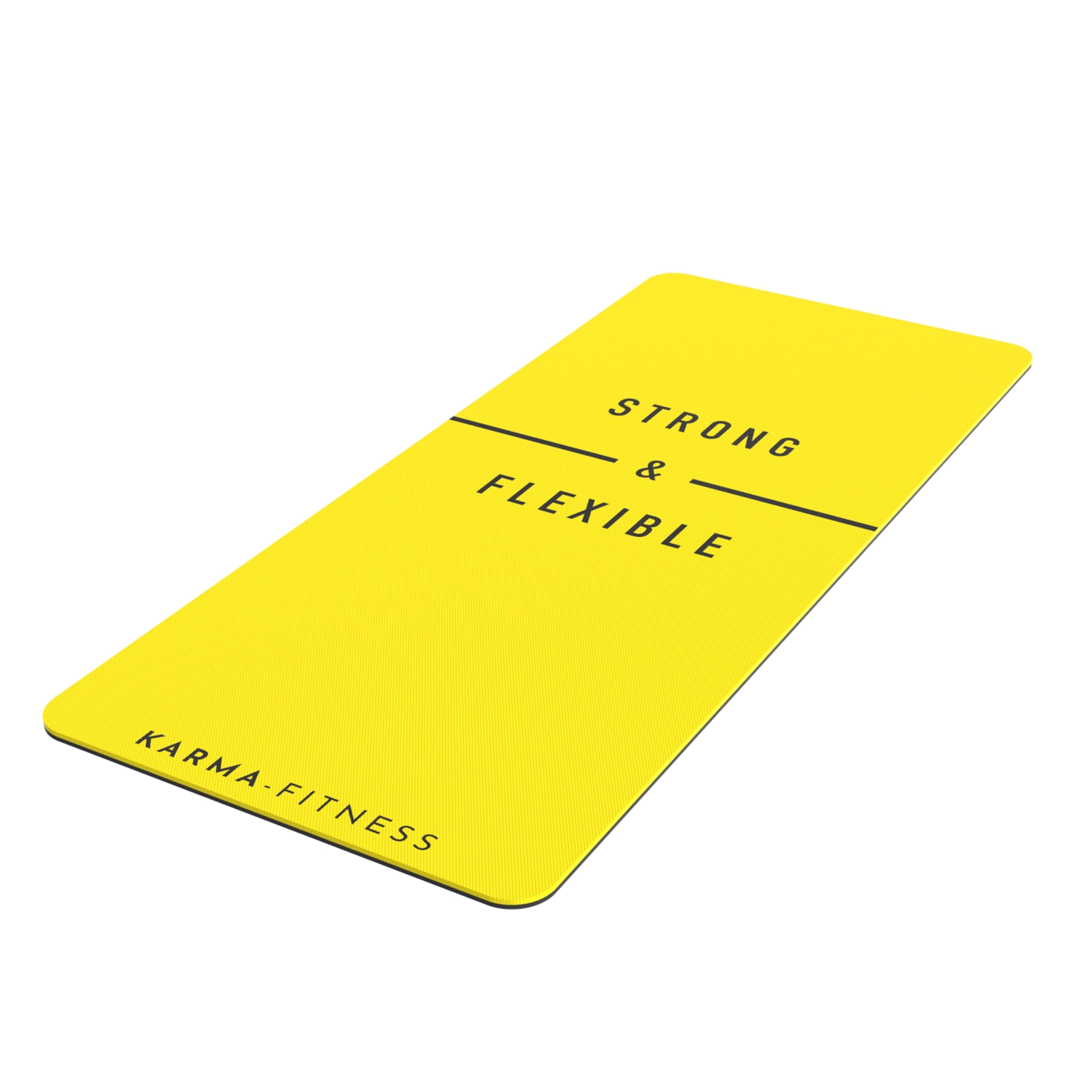
An Amazon Storefront gives brand-registered sellers a dedicated page, but most storefronts fail at the one thing that would make them work: visual consistency. Product pages pulled together from different photoshoots, angles, and lighting setups read as disjointed the moment a shopper scrolls from one section to the next. Rendering solves this at the source.
Why storefronts usually look inconsistent
Catalogs built over time often mix supplier photos, older photoshoots, and newer images shot under different conditions. Individually each image might be fine, but placed together on one branded page, mismatched lighting and backgrounds undercut the polished impression a storefront is supposed to create.
What a rendered storefront strategy looks like
Building your product catalog as 3D models means every hero shot, category banner, and lifestyle scene can share the same lighting language, camera style, and color grading, because they come from the same production pipeline rather than a patchwork of shoots. This is the same consistency advantage covered in our Amazon listing image count guide, extended across an entire storefront.
Storefront sections that benefit most
- The hero banner, typically a lifestyle or hero-angle shot that needs to represent the whole brand, not just one SKU
- Category tiles, small thumbnails across a wide catalog where consistent lighting matters more than in a single listing, since shoppers compare tiles side by side
- New arrivals and featured modules, which change often and benefit from a fast image turnaround without a new photoshoot each time
- About and brand story sections, where rendered lifestyle scenes can show product use cases too costly to shoot on location repeatedly
The catalog-wide cost advantage
Because a storefront draws on your entire product range, the reusable-asset economics of rendering compound: once your core products are modeled, refreshing seasonal banners or adding a new featured module costs a fraction of a new photoshoot, which matters for brands who want to keep their storefront current without a recurring production budget.
Where to start
If your storefront currently mixes styles across sections, start with the hero banner and top-selling category, the highest-traffic real estate. Test a hero render for $130 and use it as the visual anchor for the rest of the page.
See this quality on your own product
First-time clients get a complete, high-resolution 3D render of their product for $130. Judge the quality before committing to a full package.