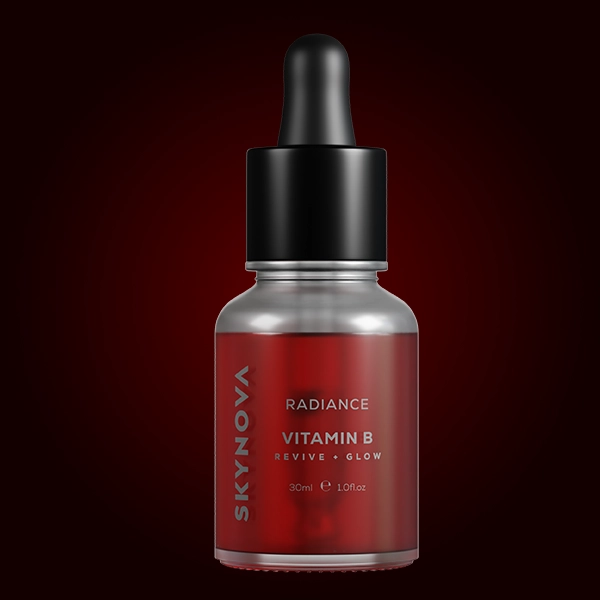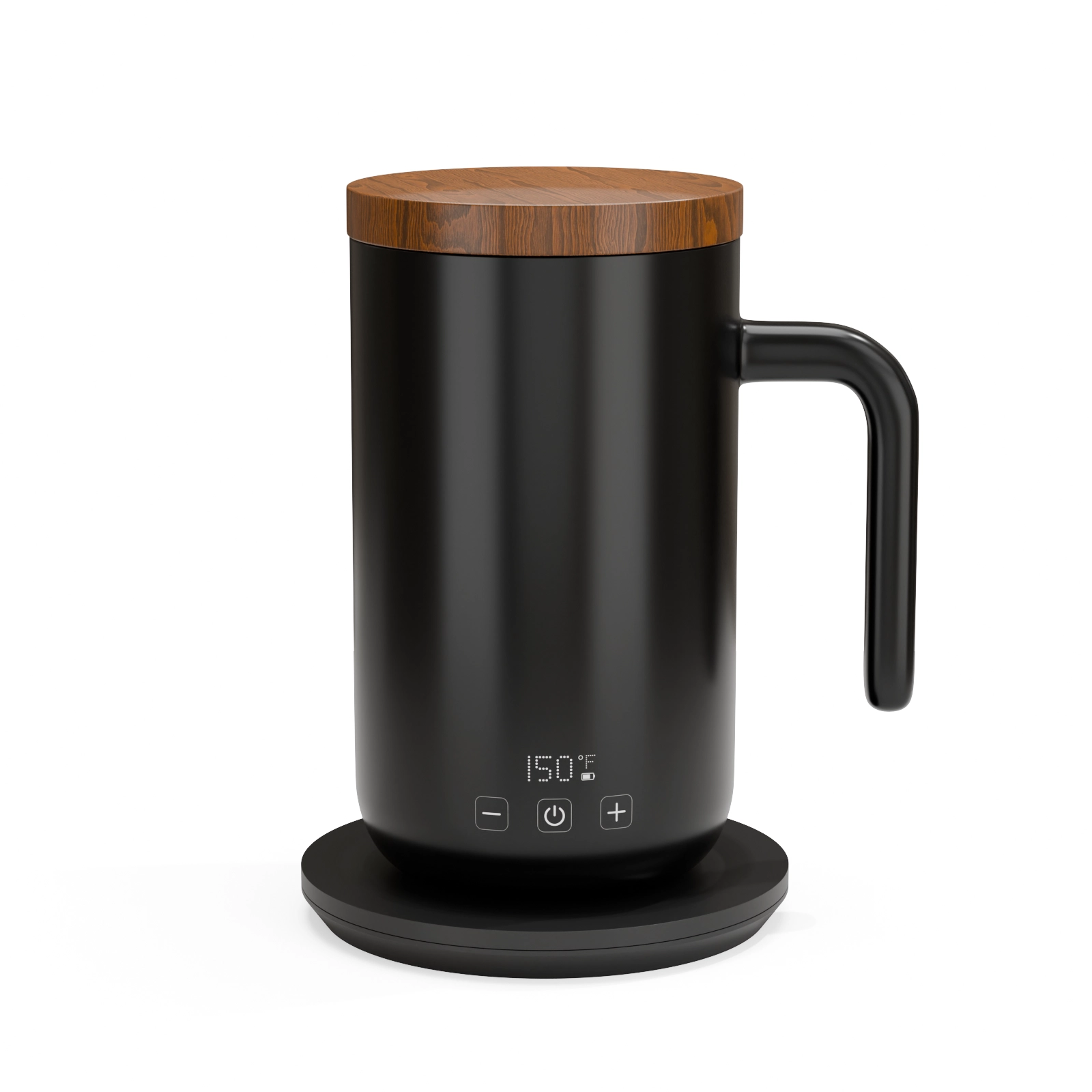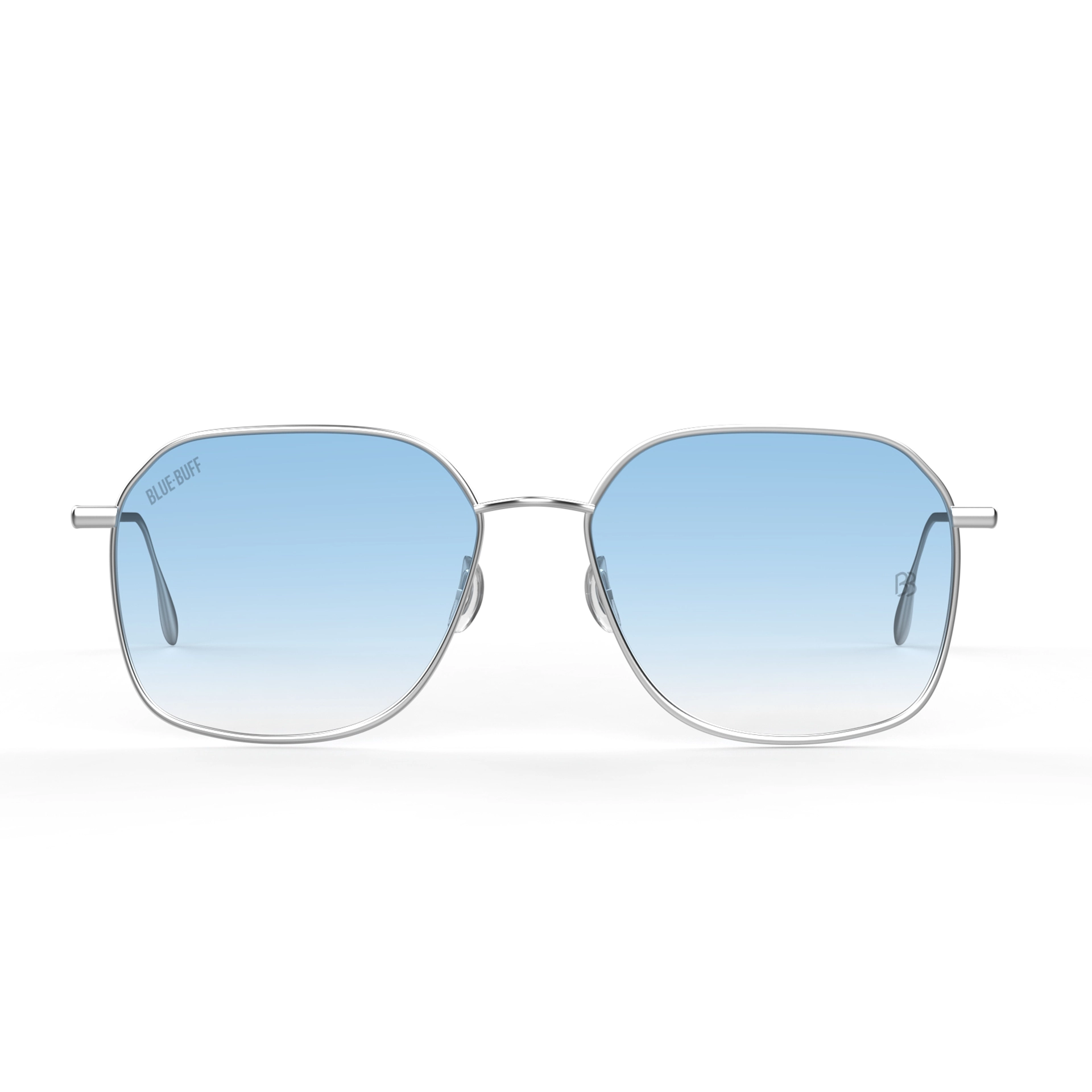
Jewelry is one of the least forgiving categories in 3D rendering. There is nowhere to hide a weak material, a flat reflection reads as fake gold in half a second, and a dull facet reads as glass instead of a diamond. Here is what actually goes into a jewelry render that survives a zoomed-in Amazon or Shopify listing.
Why jewelry is harder than most products
Most products have one or two dominant materials. A ring or pendant can have four: polished metal, brushed metal, faceted gemstones, and sometimes enamel or fabric. Each behaves differently under light, and each has to be built with real physical properties rather than a generic shiny material preset. This is the category where the gap between cheap and premium rendering shows up fastest.
Getting metal right
Gold, silver, and platinum are not just color and shine. Real metal has micro-imperfections, subtle color shifts across the surface, and reflections that pick up the environment around it. A convincing metal render needs a properly lit studio environment for those reflections to bounce off, not a flat white void. Get this wrong and the piece looks like painted plastic no matter how accurate the shape is.
Getting gemstones right
Faceted stones refract and disperse light, which is a genuinely different rendering problem from a solid surface. Each facet needs to catch and bend light correctly for the stone to read as cut crystal rather than colored glass. This is one of the more computationally expensive parts of a jewelry render, and it is exactly where corner-cutting studios fall short.
What jewelry brands actually need from a listing
- A pure white main image that meets Amazon's background and framing rules
- Macro detail shots of the clasp, prongs, and stone setting, the details buyers zoom in on before trusting a purchase
- Scale reference shots so the size is unambiguous, since sizing complaints are among the most common jewelry returns
- On-model or styled context shots to show real-world scale and wear, without the cost of a live photoshoot for every variant
Why rendering suits jewelry brands well
Jewelry lines often ship in many metal and stone combinations from the same base design. Photographing every combination is expensive and slow. One accurate 3D model lets you swap metal finish and stone color instantly, producing a full variant set without rebuilding the scene each time.
Where to start
Jewelry renders demand more material precision than almost any other category, so it is worth judging a studio's actual output before committing to a full line. Send us one piece for a $130 test render and check the metal and stone quality up close before trusting us with your full catalog.
See this quality on your own product
First-time clients get a complete, high-resolution 3D render of their product for $130. Judge the quality before committing to a full package.