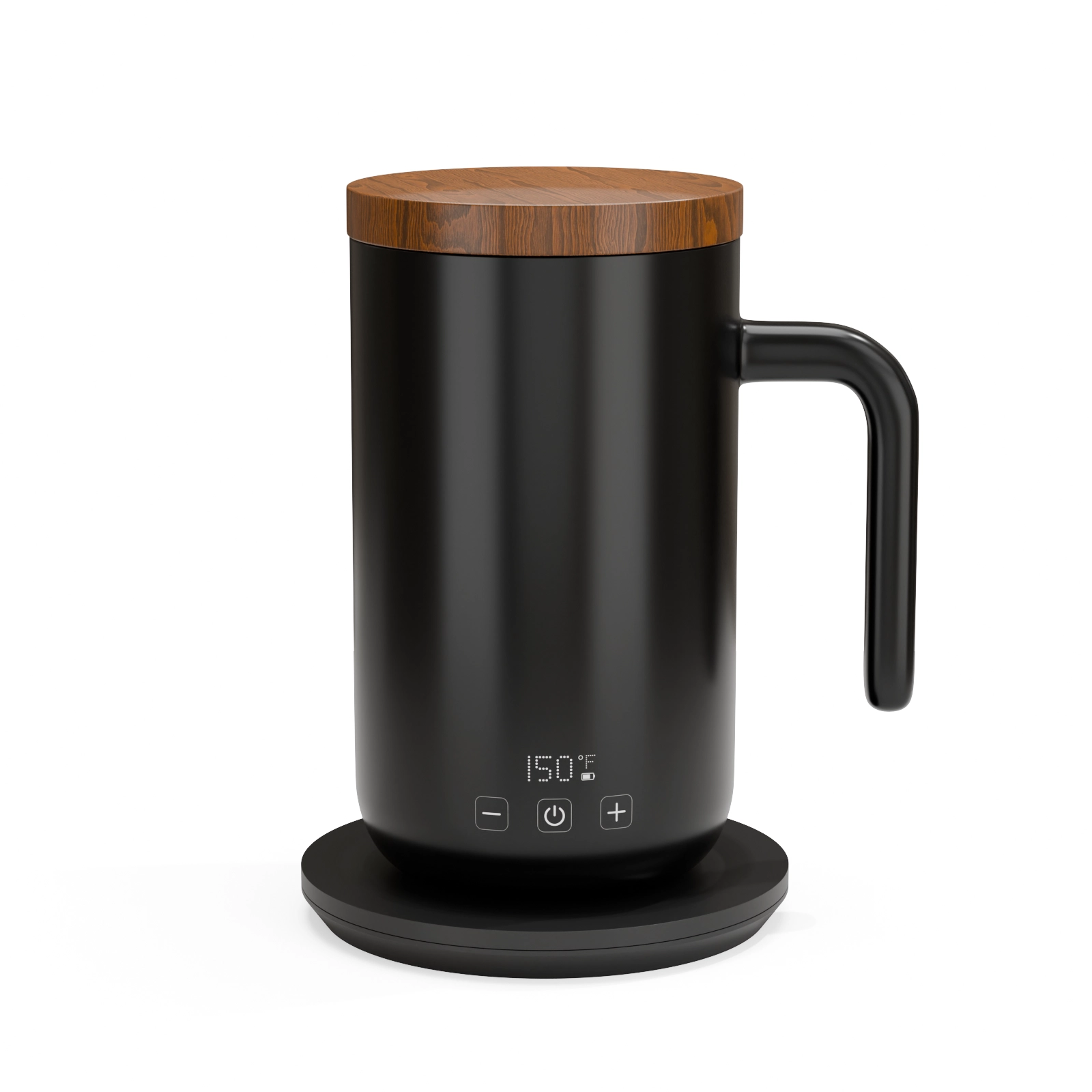
Consumer electronics buyers are unusually detail-driven. They zoom in on ports, read every callout on the packaging, and compare specs across five tabs before adding to cart. Product images carry a lot of that trust-building work, and this is a category where 3D rendering has real structural advantages over a photo studio.
The problem with photographing electronics
Screens reflect the studio lights back at the camera. Glossy plastic shows every fingerprint. Matte housings need precise diffuse lighting to avoid looking flat. And most gadgets ship with multiple ports, buttons, and panel lines that need to read clearly at thumbnail size. A rushed photoshoot produces images with glare, dust, or a screen that looks like a black mirror instead of a display.
Where rendering solves this directly
A render gives full control over every reflection and highlight. Screens can show a clean, controlled on-screen graphic instead of a mirror reflection. Ports and buttons can be lit individually to stay legible even in a small thumbnail. And because the model exists digitally, callout diagrams pointing to specific features are simple to produce accurately.
The images electronics listings actually need
- A clean hero shot on white background, product filling the frame per Amazon's main image rules
- A ports and connections diagram, labeled clearly, since compatibility questions drive a large share of pre-purchase hesitation
- An exploded view showing internal components for products where "what's actually inside" is part of the value story
- Scale and in-use context shots showing the product next to a hand or common object
- Color and finish variants rendered from one model instead of reshot per SKU
Why this matters for return rates
A meaningful share of electronics returns trace back to a mismatch between what the listing implied and what arrived, wrong port type, unclear size, a feature that was not actually included. Precise, accurate renders reduce that gap because every element in the image is built to the real spec, not approximated under studio lighting.
Getting started
Electronics are one of the categories where a strong render set pays for itself fastest, because variant counts (colors, bundle sizes) multiply quickly. Test our quality on your product for $130 before committing to a full listing set.
See this quality on your own product
First-time clients get a complete, high-resolution 3D render of their product for $130. Judge the quality before committing to a full package.