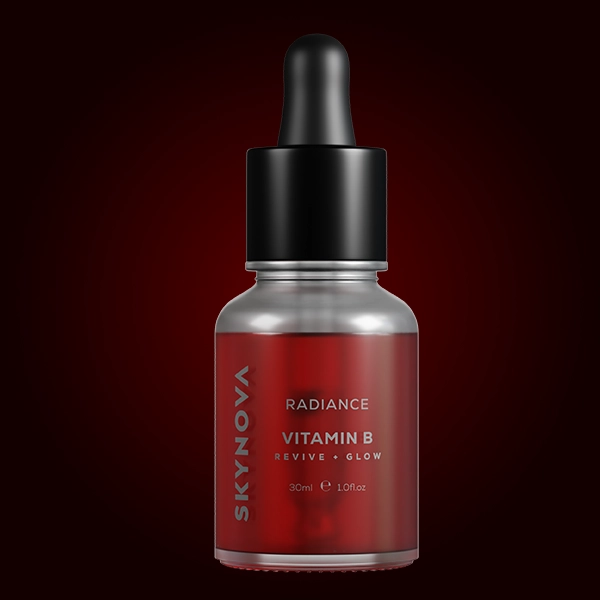
Cosmetics and skincare listings live or die on a handful of details: does the glass look premium, does the liquid inside look like the real formula, and does the texture close-up make the product feel trustworthy. This is a category we render constantly, and it has its own set of challenges separate from most other products.
Glass and liquid are the hard part
Clear or frosted glass, combined with a colored liquid inside, is one of the more difficult material combinations to render convincingly. Light has to pass through the glass, bend, refract through the liquid, and pick up color correctly, all while keeping reflections crisp. Cheap renders often show liquid that looks flat or glass that looks like plastic. This is the detail that separates a premium cosmetics render from an obviously synthetic one.
Packaging before it exists
Cosmetics brands frequently need packaging images before the actual packaging run is printed, for pre-orders, retailer pitches, or crowdfunding pages. A rendered mockup of the box or tube lets you catch a label error or color mismatch before spending on a print run. See our guide to renders before manufacturing for how this works in practice.
Texture and application shots
Skincare buyers want to know what the product feels like before they buy: a cream's thickness, a serum's viscosity, a powder's finish. Macro renders of product texture, a bead of serum on a surface, cream swirled to show consistency, do work a standard packshot cannot, and they are effectively impossible to shoot consistently across a full line without rendering.
What a cosmetics listing typically needs
- Hero packshot on pure white background for the main image slot
- Macro texture shot showing the formula itself
- Ingredient or benefit infographic built from the same 3D assets
- Full range or bundle shot showing every SKU in the line with consistent lighting
- Before and after or comparison module where relevant, built cleanly without misleading claims
Why brands with full product lines benefit most
A skincare line with eight SKUs sharing the same bottle shape needs the packaging modeled once. After that, every label, cap color, and liquid tone is a material swap rather than a new shoot. This is where the reusable-asset economics of rendering show up clearly against per-SKU photography costs.
See it on your own product
Glass and liquid realism is the fastest way to judge a rendering studio's actual skill level. Send us your bottle for a $130 test render and check the glass and liquid quality before trusting us with a full line.
See this quality on your own product
First-time clients get a complete, high-resolution 3D render of their product for $130. Judge the quality before committing to a full package.