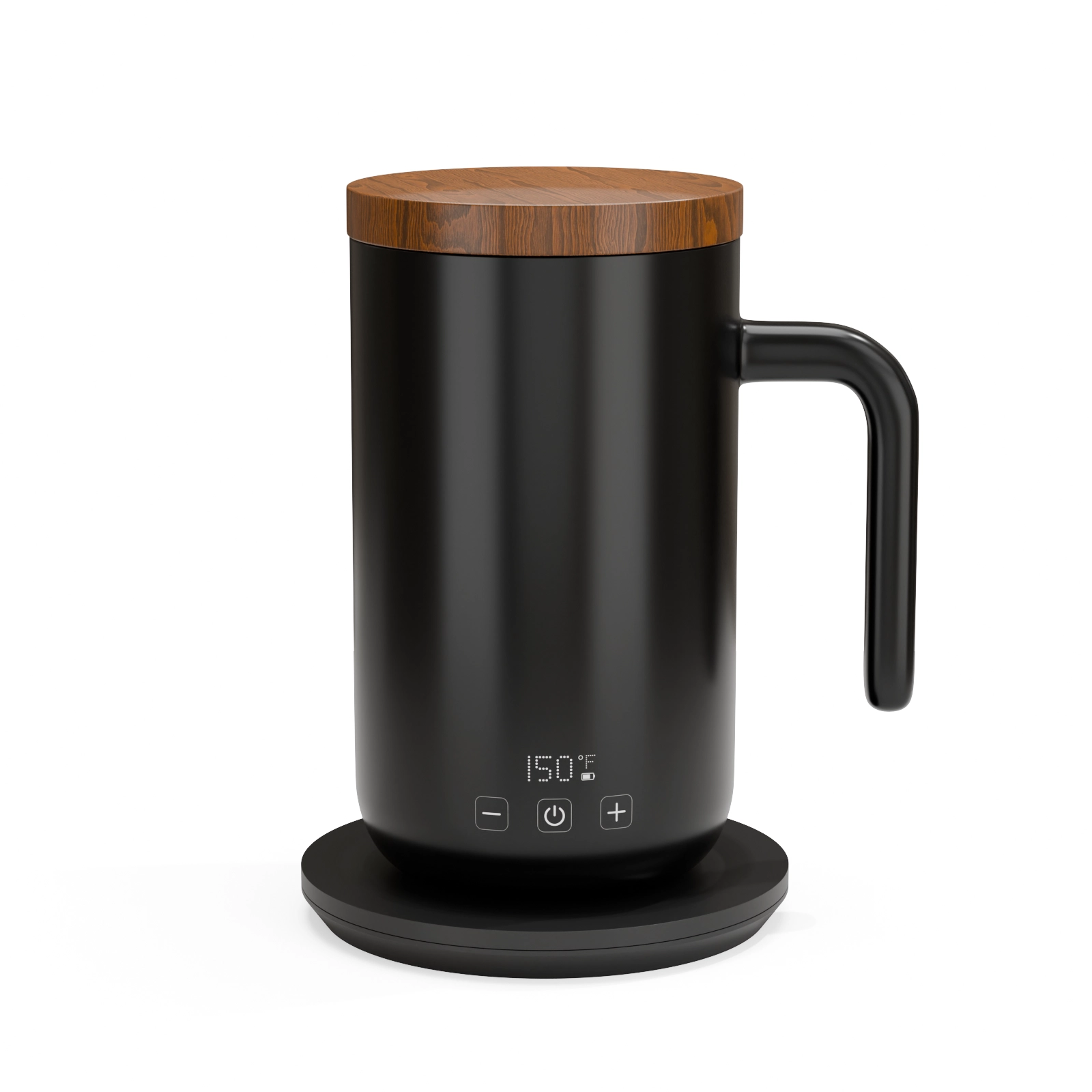
Medical device marketing sits in an awkward gap. The product often costs several hundred to several thousand dollars, the buyer is cautious and technically literate, and the imagery has to explain a mechanism without drifting into a claim the regulator has not approved. Photography struggles with all three at once, which is why 3D has quietly become the default for this category in the US and EU.
Why photography underperforms here
A device photographed on a white background tells the buyer almost nothing. The thing that matters, how the mechanism works, what the sensor touches, where the cartridge seats, is hidden inside a plastic shell. Cutaway photography means physically destroying units, and every design revision means destroying more.
There is also a sourcing problem. Devices are frequently manufactured in limited pre-production runs. Getting three units to a photographer in another country, on a schedule that fits a launch, is a genuine bottleneck. Many brands end up launching with placeholder imagery and fixing it later, which is exactly the wrong order.
What 3D does that a camera cannot
The value is not prettier pictures. It is access to views that do not physically exist.
- Cutaway and ghosted views. Show the internal chamber, the filter path, the battery compartment, without sacrificing a unit.
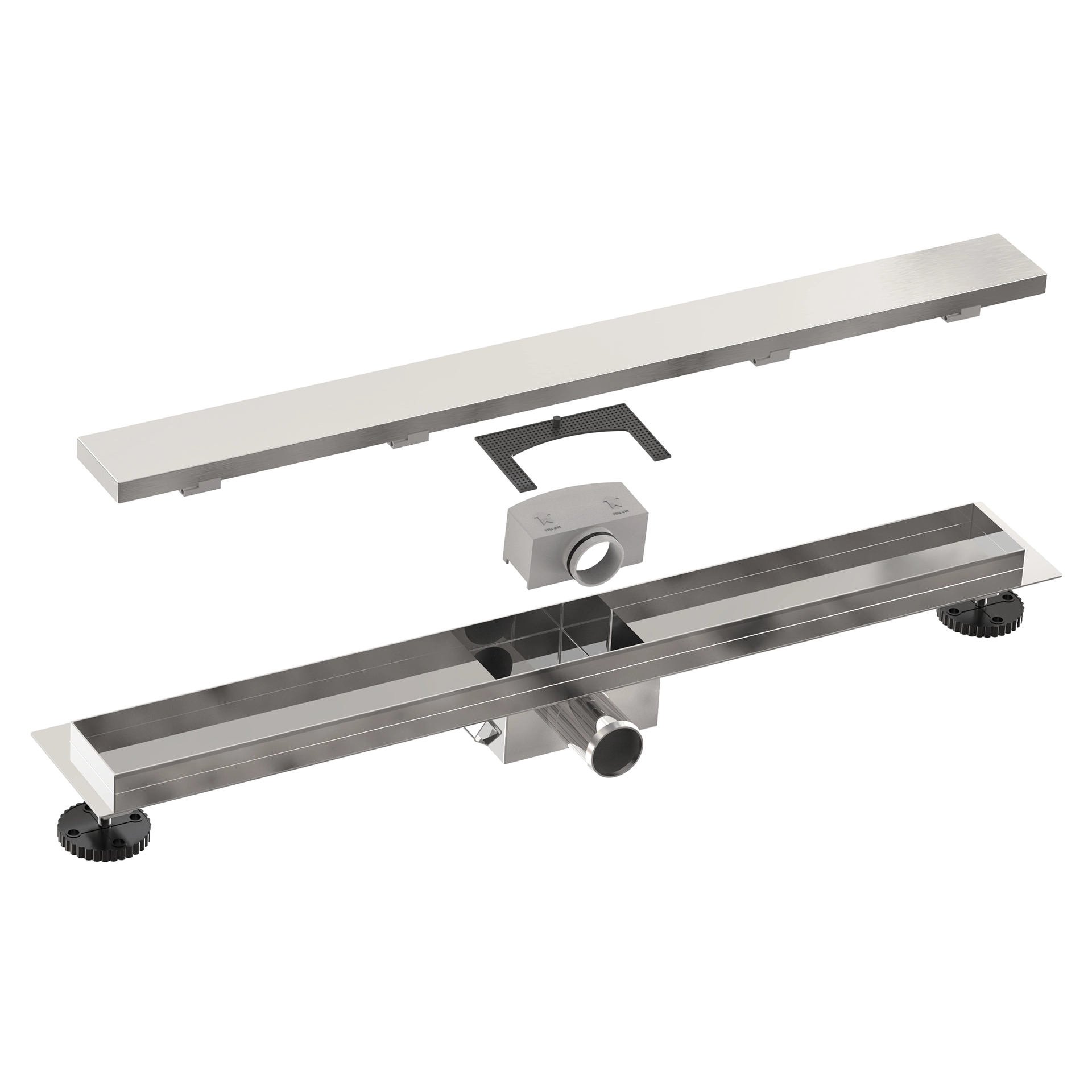
- Exploded assemblies. Every component separated and labelled, which answers the "what am I actually buying" question for a boxed kit.
- Scale references. The single most common return driver in this category is a buyer who misjudged size. A render placed against a hand, a countertop, or a standard object solves it.
- Material honesty. Medical-grade silicone, anodised aluminium and surgical steel each read differently. Getting those surfaces right builds trust that a flat product shot does not.
The regulatory dimension
This is where the category differs from consumer goods, and where a studio that has not worked in it will get you into trouble.
A render is a visual claim. If your imagery shows a device in contact with a patient in a way your clearance does not cover, or implies an outcome you cannot substantiate, the image is a compliance problem regardless of how good it looks. In the EU, the MDR framework treats promotional material as part of the regulated whole. In the US, the FDA takes a similar view of labelling and advertising.
Practically, this means the review loop matters as much as the artistry. Good practice looks like:
- Agree the claim boundaries before the first frame is rendered, not after.
- Keep a version log so your regulatory reviewer can see what changed between rounds.
- Avoid implied use cases that are not in your indications for use. A device shown on a wrist implies wrist use.
- Separate "hero" marketing imagery from "technical" documentation imagery, because they get reviewed against different standards.
A studio that asks for your indications for use in the first call is a studio that has done this before.
Where the images actually get used
Medical brands rarely need just listing photos. A typical set spans:
- Distributor and wholesale catalogues, where the buyer is a purchasing manager comparing spec sheets
- Regulatory and instructions-for-use documents, where exploded views double as assembly diagrams
- Trade show panels printed at large format, which requires resolution photography rarely delivers
- Ecommerce listings, if the device is direct to consumer
- Investor and partnership decks during a funding round
Because 3D output scales to any resolution and any crop from the same source scene, one modelling investment covers all of these. That is the economic argument. The cost per usable asset falls sharply once you are producing for more than one channel.
A realistic timeline
For a single device with CAD supplied, expect four to seven days for a first render set. Without CAD, add a few days for modelling from photographs and dimensioned drawings. The regulatory review loop on your side is usually the longer pole, so start it early and in parallel.
Before you brief anyone
Have these ready and the project moves twice as fast:
- CAD files if they exist, in STEP or native format
- Dimensioned drawings, or at minimum accurate measurements
- Your indications for use, or a short written summary of what you may and may not imply
- Material specifications, including finishes and any branded colours
- A list of the channels the images will appear in, so the studio builds at the right resolution from the start
If you are weighing this up for a device launch, the cheapest move is a single test render on one product before committing a catalogue. It surfaces material and compliance issues while they are still cheap to fix.
See this quality on your own product
First-time clients get a complete, high-resolution 3D render of their product for $130. Judge the quality before committing to a full package.