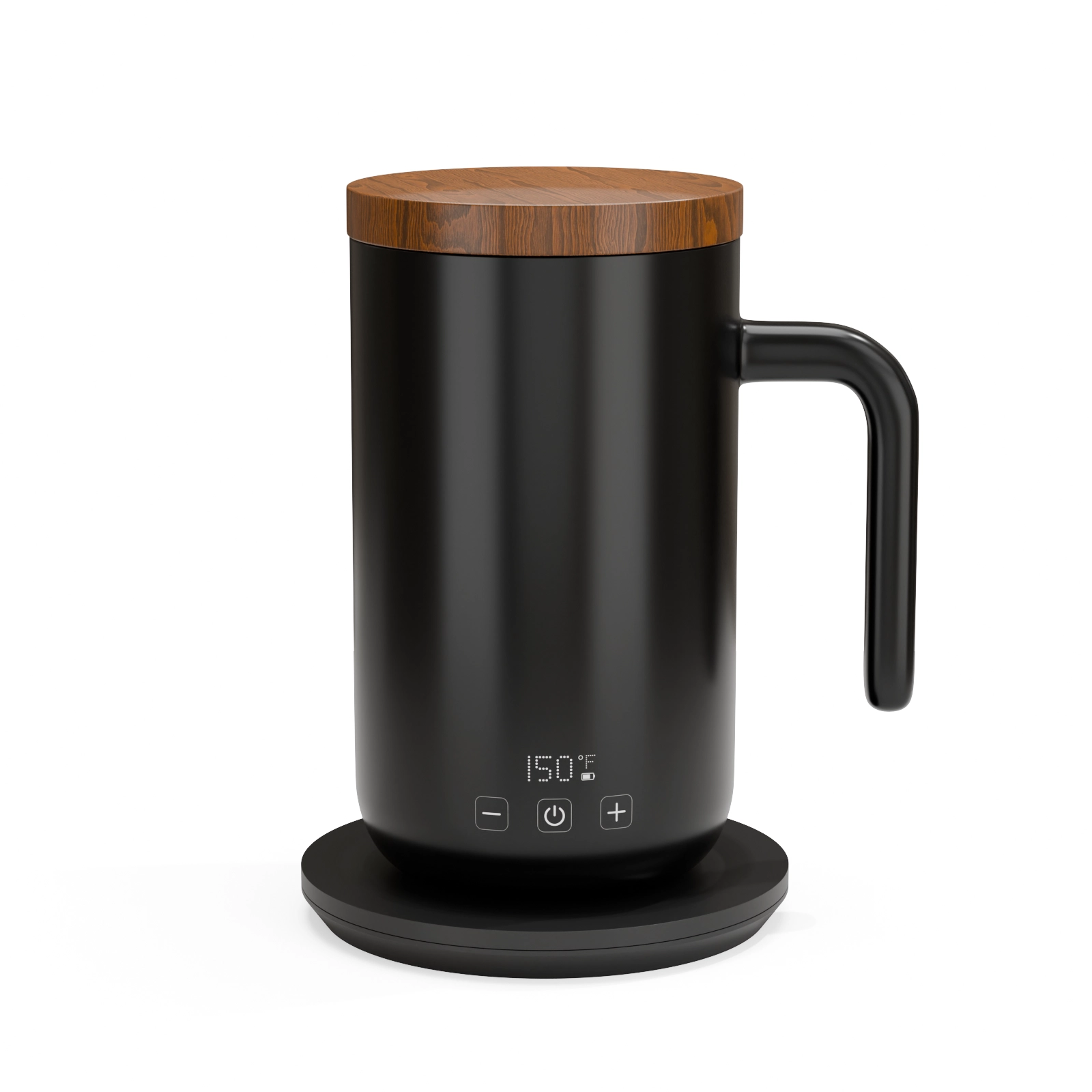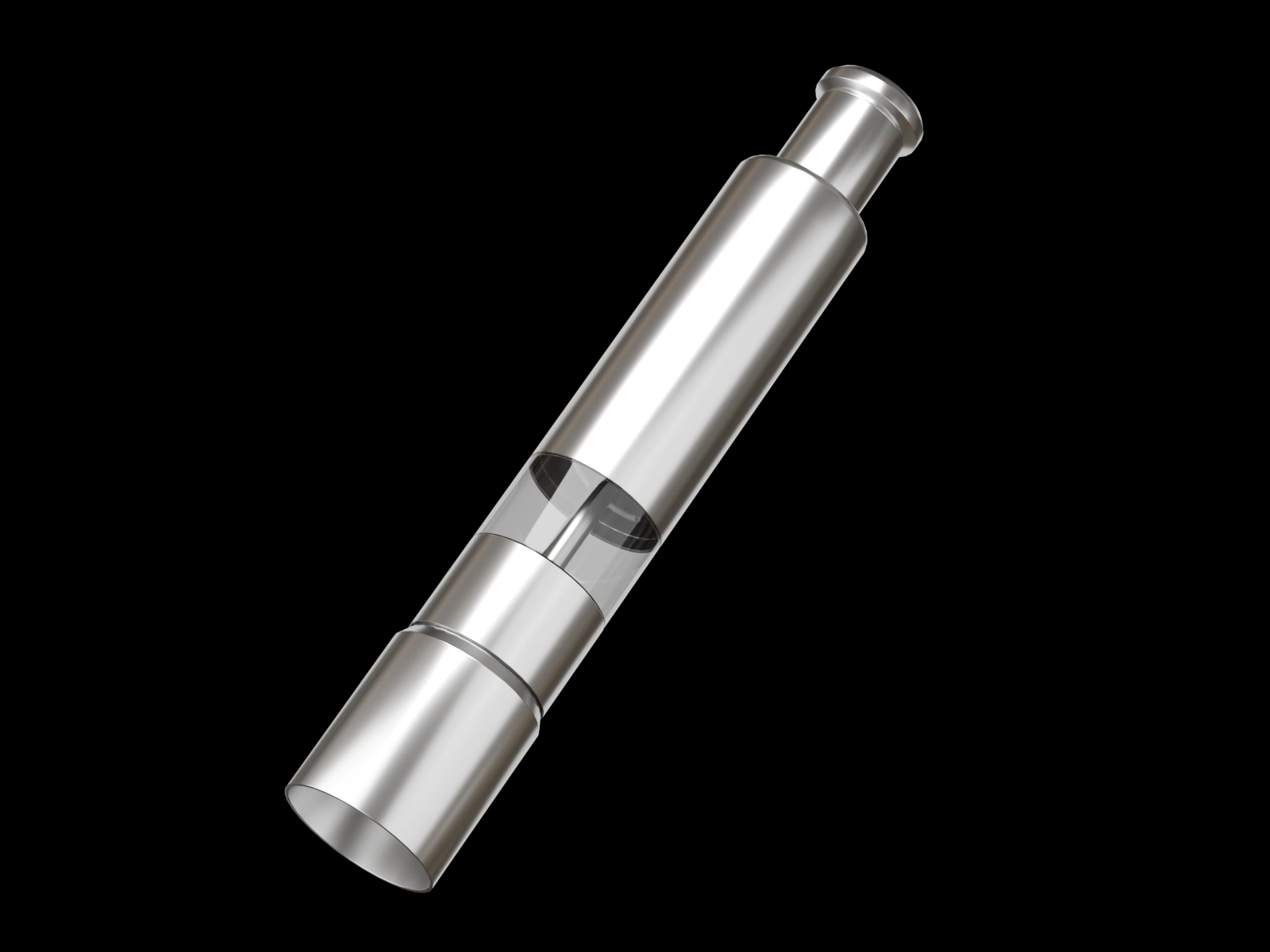
Kitchen appliances are a punishing category to photograph and an excellent one to render. The products are reflective, they ship in multiple finishes, they need to be shown in context, and the buyer is making a considered purchase at a price point where imagery genuinely moves the decision.
The reflection problem
Brushed stainless steel is the hardest common surface in product photography. It mirrors everything: the lights, the backdrop, the photographer, the room. Studios solve it with tents, flags, and hours of retouching, and the result is often a compromise that flattens the brushing pattern into a grey smear.
In 3D, the reflected environment is something you control precisely. You decide what the steel reflects, at what intensity, with what falloff. The brushing direction stays crisp because it is a material property rather than a lighting accident.
The same applies to the other finishes this category lives on:
- Matte powder coat, which needs to read as soft without looking flat
- Tempered glass panels, where the tint and edge behaviour matter
- Copper and brass accents, which shift colour dramatically under different lighting
- Soft-touch plastics, easily mistaken for cheap plastic when lit badly
Colourways are where the money is
Most appliance lines ship in three to six colours. Photographing each means acquiring each, which means production samples of every variant delivered to a studio before launch. That is often impossible on a launch timeline and always expensive.
Rendered, a colourway is a material swap on an existing scene. The camera, lighting and composition stay identical, so the set is perfectly consistent across variants. Buyers comparing the cream against the sage see a real comparison rather than two photographs shot on different days.
The consistency point matters more than people expect. When a listing shows five colours photographed in five slightly different lighting conditions, the range looks incoherent and the brand looks smaller than it is.
Lifestyle context without a location shoot
Appliance buyers want to see the product in a kitchen. Traditionally that means a location shoot: finding a kitchen, styling it, hiring a crew, shooting for a day, and getting a handful of usable frames tied to that one kitchen.
Rendered environments give you the same context with different economics. Once the appliance is modelled, placing it into a scene is incremental work, and you can produce several kitchen styles from the same asset. A Scandinavian light-wood kitchen for one market, a darker fitted style for another.
This matters for brands selling across the US, UK and Germany, where kitchen aesthetics differ noticeably. The same product can be presented in a way that feels native to each market without three separate shoots.
Scale and the returns problem
Appliance returns are frequently driven by size misjudgement. The stand mixer that looked compact online turns out to dominate the counter. The air fryer does not fit under the cabinets.
Renders let you address this directly and cheaply:
- The product on a counter with standard cabinet heights above it
- Dimension callouts overlaid on a clean orthographic view
- The appliance beside a familiar object for scale
- Footprint diagrams showing the space required including clearance
Every one of these reduces returns, and returns in this category are expensive because the products are bulky to ship both ways.
Cutaways and mechanism
For appliances with an interesting internal story, a blender's blade geometry, a coffee machine's brew path, an oven's convection flow, cutaway renders convert. They shift the conversation from price comparison to engineering, which is where a premium brand wants it.
This is not achievable with photography at any reasonable cost, and it is one of the clearest ways to justify a higher price point visually.
What to prepare
If you are considering this for a launch, the smoothest projects arrive with:
- CAD from your manufacturer, in STEP if possible
- Physical finish references, or precise specifications for each colourway
- Your dimension list, so scale imagery is accurate rather than approximate
- The channels you are producing for, since Amazon, your own site and retail partners have different requirements
- Any existing brand photography you want the renders to sit alongside without clashing
Where to start
Test on one product in one finish before committing a range. The finishes are the risk in this category, so what you are really testing is whether the studio can make your stainless look like your stainless. Once that is right, extending to every colourway and every marketplace is the easy part.
See this quality on your own product
First-time clients get a complete, high-resolution 3D render of their product for $130. Judge the quality before committing to a full package.