Brands that reach a certain catalog size eventually ask the same question: should we hire our own 3D artist instead of paying a studio per project. The honest answer depends less on principle and more on volume, consistency needs, and how much management time you can spare, so here is the comparison without the sales pitch either direction.
The real cost of an in-house hire
A competent product visualization artist is a specialized, mid-to-senior hire, and one person is rarely enough. Illness, vacation, and a single slow modeler on a complex product create bottlenecks that a studio with a team simply absorbs. The salary is only part of the cost; software licenses, hardware capable of rendering at speed, and management overhead add up quickly.
Where in-house genuinely wins
If you have constant, high-volume image needs, dozens of new SKUs monthly, frequent seasonal refreshes, an in-house team can turn work around without the back-and-forth of an external brief, and knowledge of your brand's visual style accumulates over time. This is the scenario where the fixed cost of a hire beats the variable cost of outsourcing.
Where outsourcing wins
For most brands below that volume threshold, single-product launches, a few dozen SKUs, occasional campaign needs, a studio's cost is directly tied to output, with no idle time paid for and no hiring risk. You also get a full team's specialization (modeling, materials, lighting, animation) rather than depending on one generalist's skill ceiling. Our pricing guide shows what that variable cost actually looks like.
The middle path most growing brands actually use
Many brands outsource until volume justifies a hire, then bring on an in-house artist for day-to-day catalog work while keeping a studio relationship for hero campaigns, animation, or overflow during launch spikes. This hybrid model avoids both the idle-capacity cost of an early hire and the bottleneck risk of relying on a single external contact.
A practical way to decide
Estimate your image volume for the next twelve months, count SKUs, expected variants, and campaign refreshes, and compare that number against your last few outsourced project invoices. If the math is close, staying flexible with outsourcing costs less in risk even if it costs slightly more per image.
Test the outsourced side of that comparison
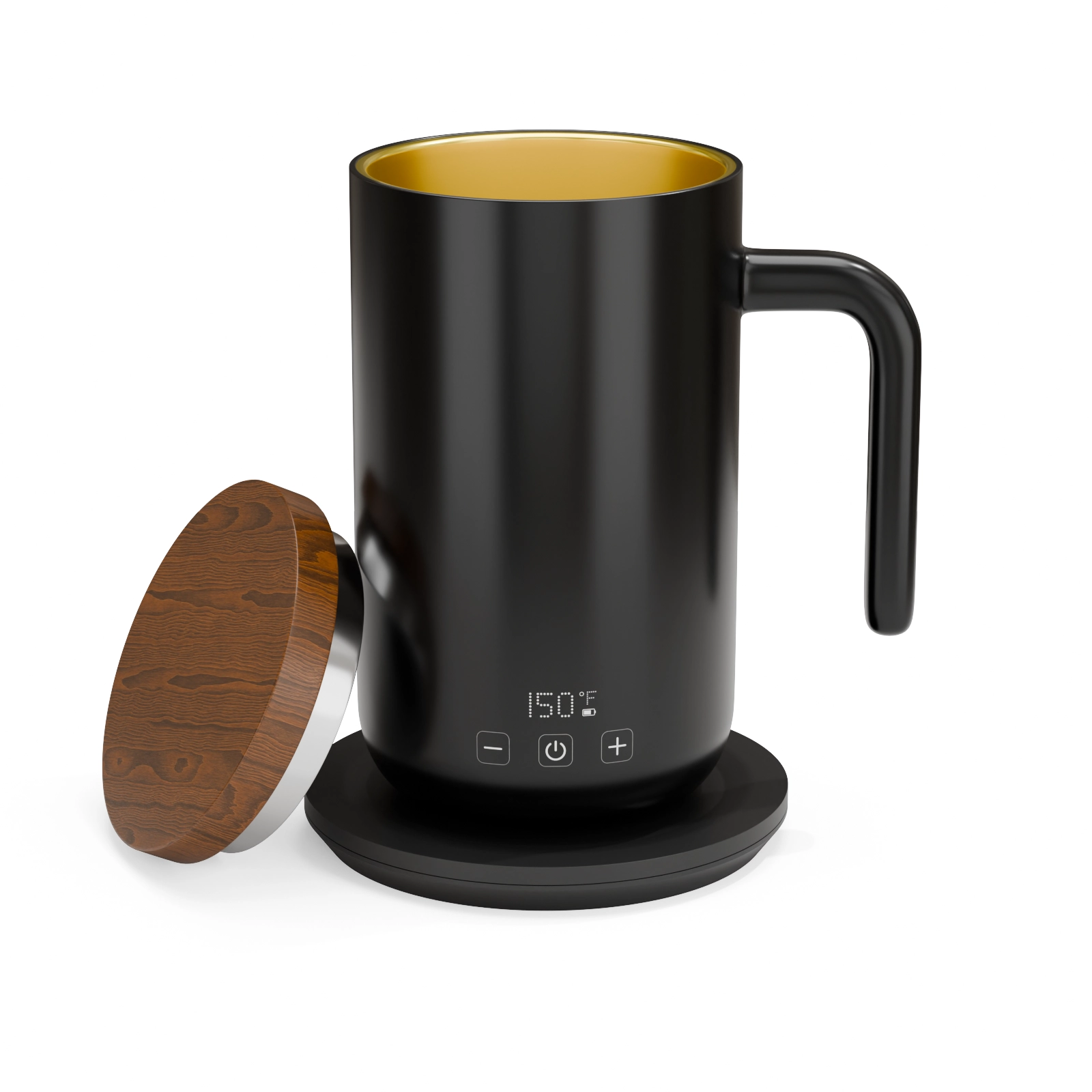
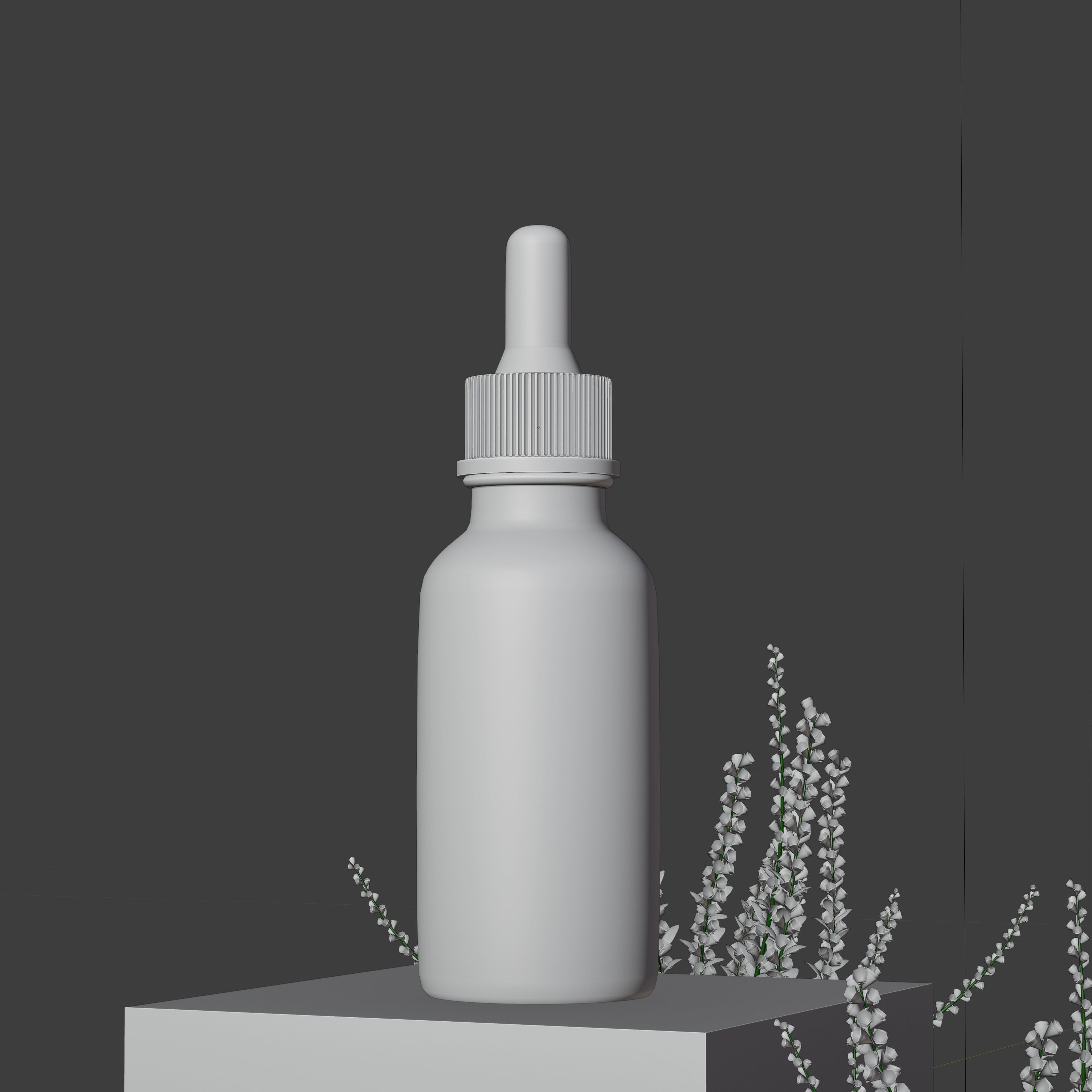
Before building the math around a hypothetical in-house cost, it helps to know what quality and turnaround actually look like from a studio. Run a $130 test render on one of your products as a real data point for that decision.
See this quality on your own product
First-time clients get a complete, high-resolution 3D render of their product for $130. Judge the quality before committing to a full package.