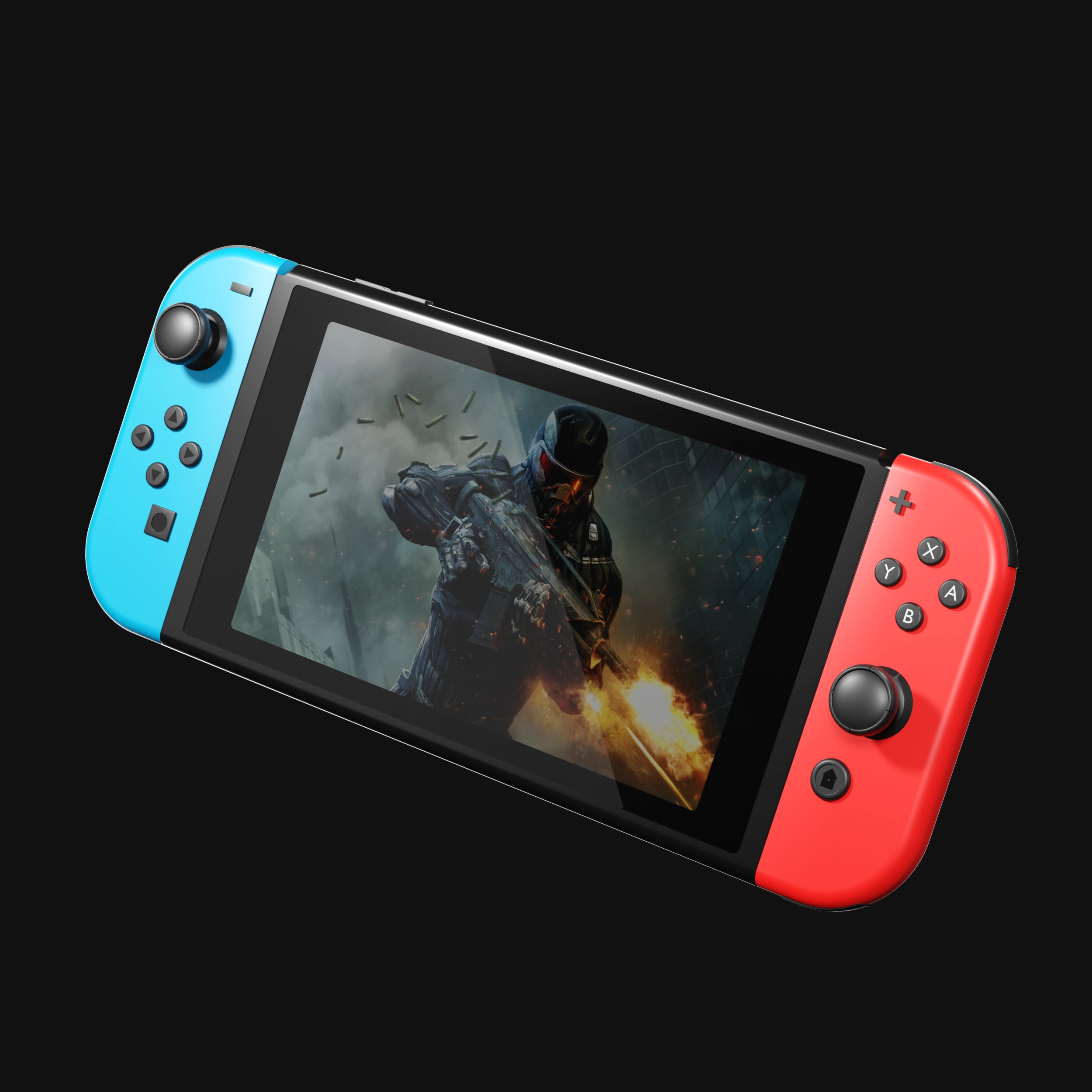
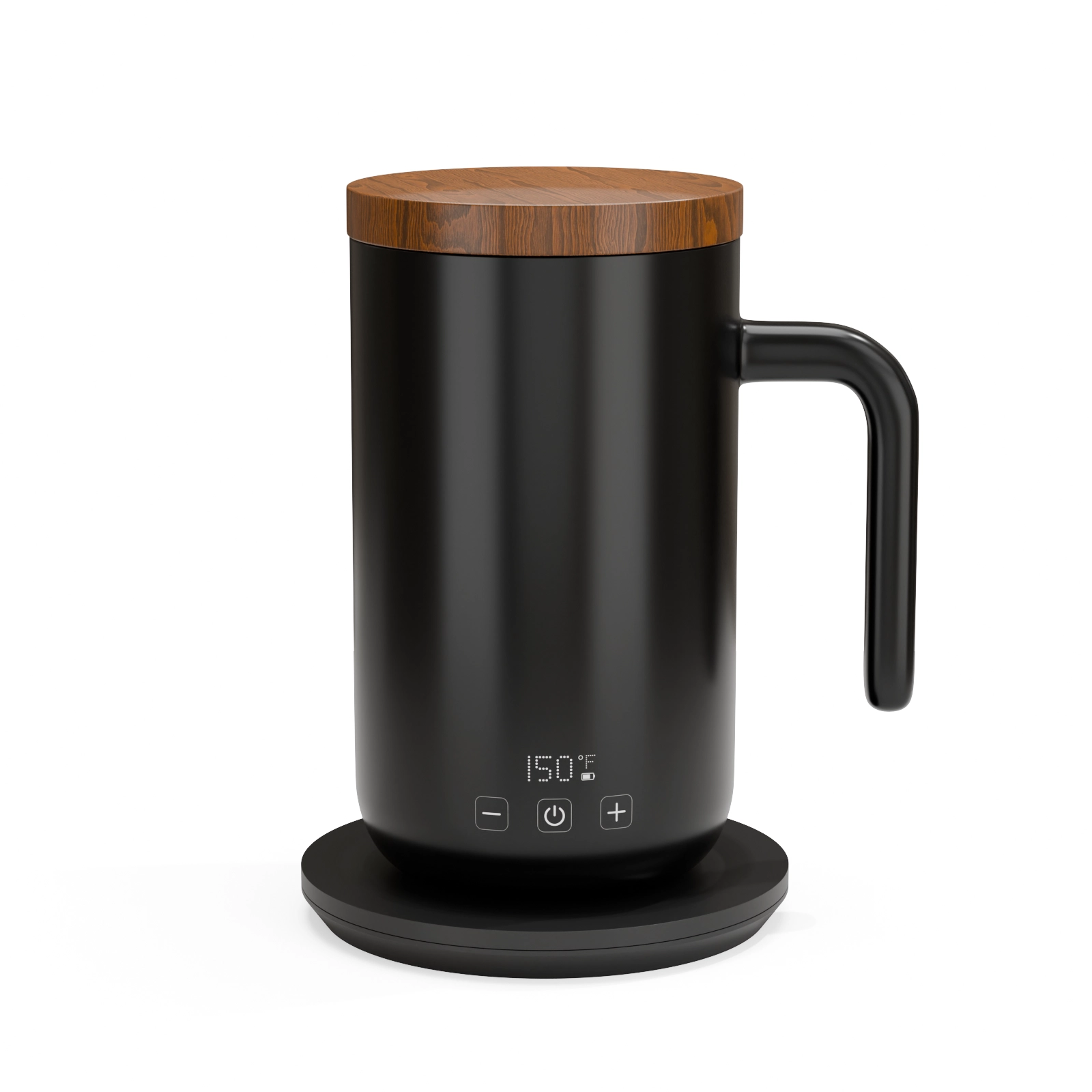
Rendering and modeling get talked about as one service, but they are two different jobs. Modeling is building the accurate digital shape of your product. Rendering is turning that model into a finished image. Understanding the difference matters, because the model itself, not any single picture, is the asset that keeps paying you back.
What modeling actually involves
A 3D modeler rebuilds your product as clean digital geometry, matching real-world dimensions, wall thickness, seams, and part boundaries. Done from CAD, this is largely a translation and cleanup job. Done from photos or a physical sample, it is closer to reverse-engineering: measuring, cross-referencing angles, and reconstructing the shape by eye and by hand. See our full breakdown of what files you need for either path.
Why modeling accuracy matters more than people expect
Errors introduced at the modeling stage compound through every image produced afterward. A slightly wrong proportion or a missing seam line shows up in the hero shot, the infographic, and the animation alike. This is why a careful studio spends real time here even though it produces no visible output on its own, no image exists until the next stage.
What you get once the model exists
Once a product is modeled, every additional output becomes cheap by comparison: new camera angles, new lighting scenarios, new color and material variants, exploded views, animations, and packaging mockups, all from the same underlying asset. This is the actual economic case for rendering over photography at scale, described in more depth in our pricing guide.
Who owns the model
This is worth settling before a project starts. Final images belong to you regardless. Whether the editable 3D scene file transfers to you as well is a separate contract question, and reputable studios will answer it plainly when asked, covered in our studio hiring guide.
When to invest in a custom model
If you expect to need more than a handful of images over the product's life, new angles, seasonal creative, future variants, the model pays for itself quickly. For a single one-off image with no reuse expected, a simpler render may be the more sensible spend.
See the process on your product
A $130 test render includes the modeling stage, so you can judge the accuracy of the underlying build, not just the polish of the final image.
See this quality on your own product
First-time clients get a complete, high-resolution 3D render of their product for $130. Judge the quality before committing to a full package.