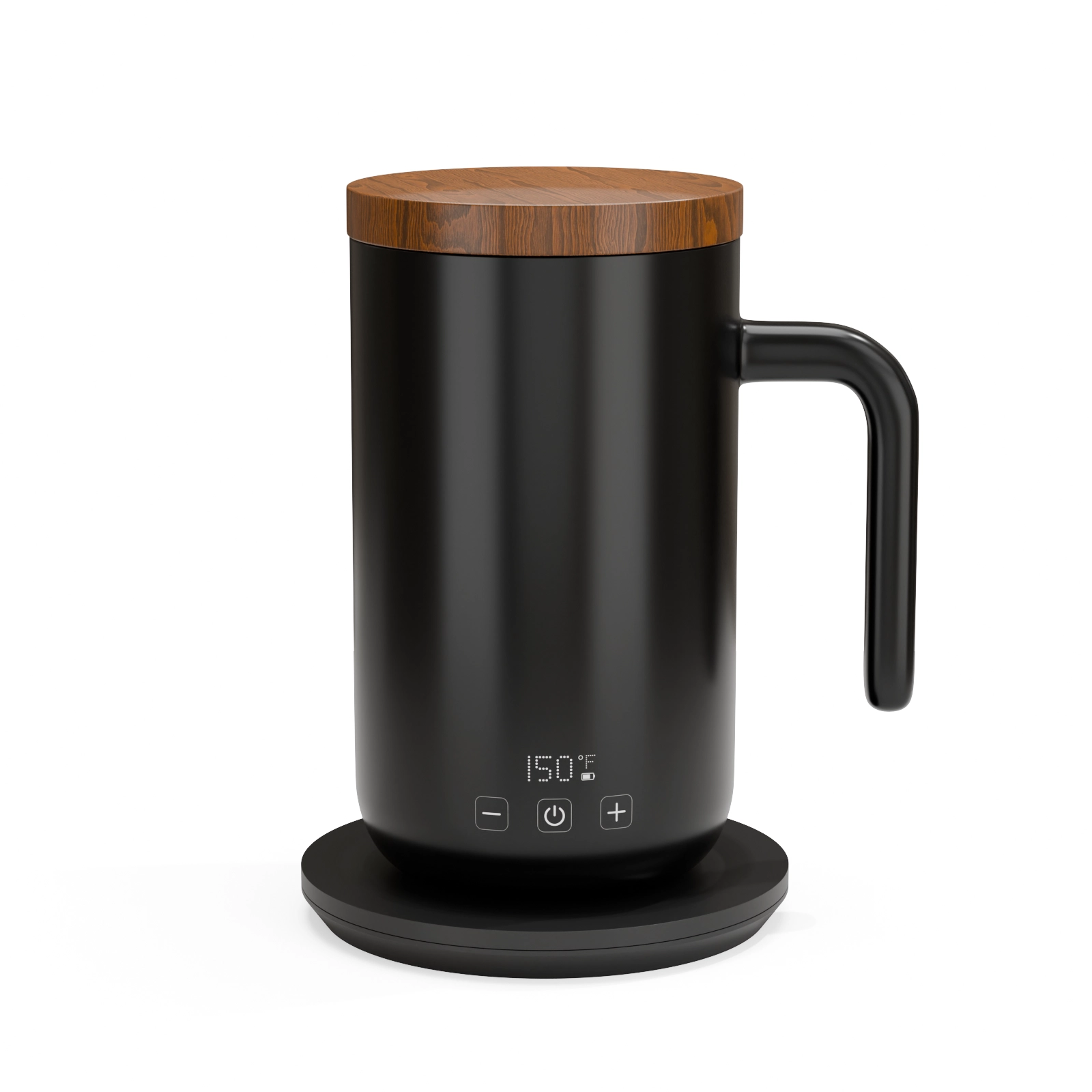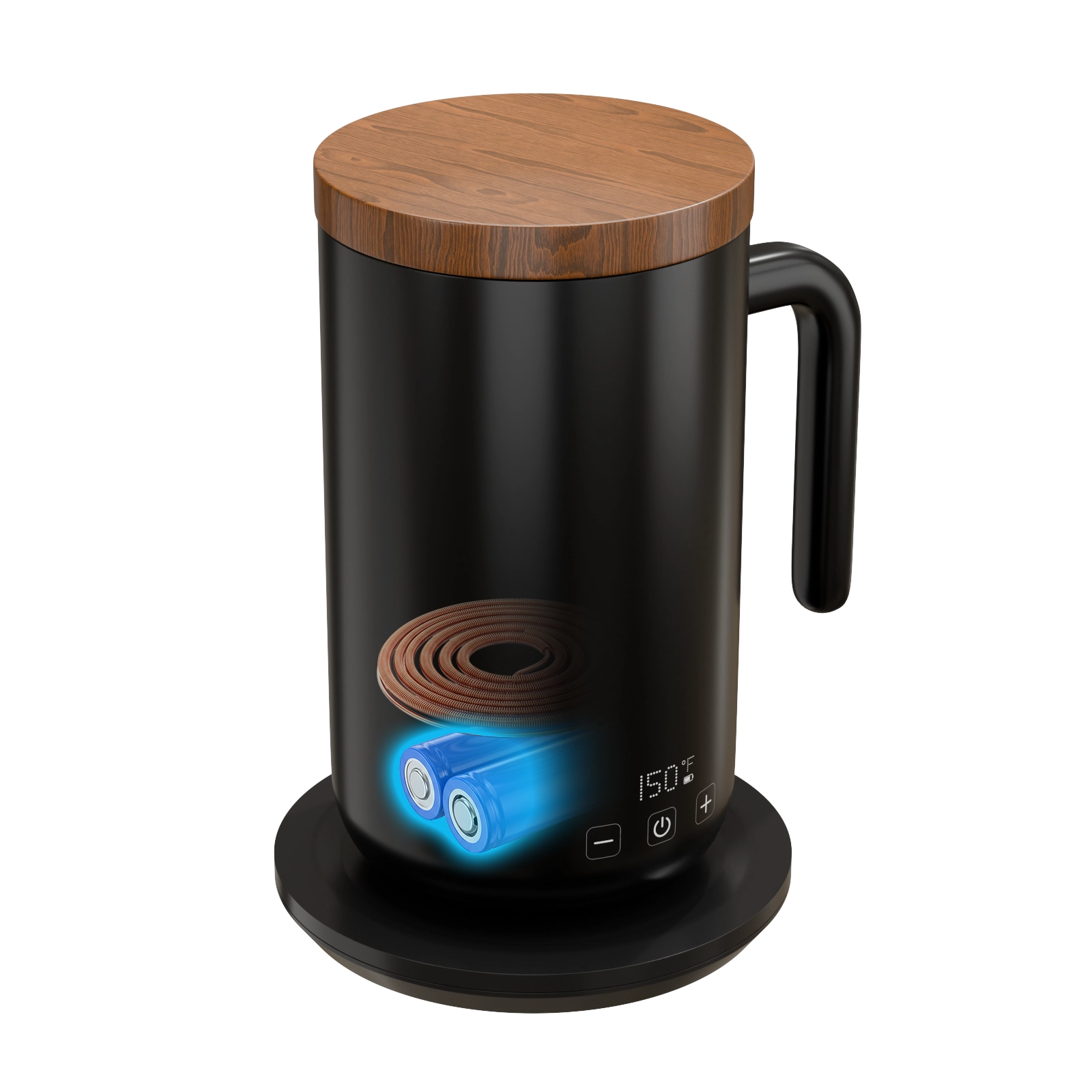
A product photograph is a finished thing. It captures one angle, one lighting condition, one colourway, at one moment. When the product revises or the channel changes, it is worth nothing.
A 3D model is a source. Every image you have ever needed can be produced from it, plus every image you have not thought of yet. That difference compounds, and brands that understand it early end up with a structural cost advantage over competitors who keep commissioning shoots.
What a library actually contains
A useful 3D asset library is more than a folder of models:
Product models, cleaned and organised, at a level of detail suitable for rendering rather than manufacture.
A material library, your specific plastics, metals, fabrics and finishes, defined once. This is what makes product forty look like it belongs with product one.
Lighting templates, the rigs your imagery is produced with, so a render made next year matches one made today.
Environment scenes, the contexts your products appear in, reusable across the range.
Rendered outputs, organised by product and image type, with a manifest.
Documentation, the naming conventions, the camera specifications, the material references.
The models are the valuable part, but the templates and materials are what turn a collection of files into a system.
What it lets you do
Once the library exists, several things become nearly free that were previously projects.
New colourways. A material swap. Hours, not a shoot.
New marketplace requirements. Amazon changes a specification, or you open a new market, and you re-render at the new crop rather than reshooting.
Ad creative testing. Running twelve variations of a product image to find the best performer is only viable if variations are cheap. With a library they are.
Seasonal and campaign imagery. Christmas set, summer set, same products, new context.
Retail partner requests. A buyer asks for a transparent-background asset at print resolution by Friday. With a library this is an export.
Packaging and print. The same model that made your listing image makes your trade show banner at ten times the resolution.
AR and 3D viewers. If you ever want interactive product views on your site, you already have the geometry. Brands without models discover this requirement means starting over.
Why ownership matters
None of the above works if you do not have the files.
If your rendering studio retains the models, you have images but not assets. Every future need routes back through them, at their price and their schedule. If the relationship ends, your library ends with it.
This is not an argument against studios retaining files. Some price lower on that basis and it can be a reasonable trade. But it should be a decision you made deliberately, written into the agreement, and understood as the difference between owning an asset and renting access to one.
Ask explicitly. Get it in writing. Store the files somewhere you control, not only in the studio's project archive.
Building it without a big-bang project
Few brands can justify modelling an entire catalogue at once, and they do not need to. The library accumulates naturally if you set one rule: every product rendered from now on is modelled to library standard and the files are retained.
Then prioritise retrofitting:
- Products still selling from the oldest photography
- Products with the most channel variations
- Products likely to get colourway extensions
- Anything about to be relaunched or repackaged
Within two years of normal launch activity, most of a catalogue exists in the library without a dedicated budget line.
Practical storage and organisation
- Keep source files in versioned cloud storage you control, not on a single machine
- Mirror the folder structure to your SKU system so files are findable by people who did not create them
- Keep a manifest mapping SKU to model file, materials used, and render outputs
- Record which model version corresponds to which product revision
- Store the render templates alongside the models, since a model without its lighting rig loses much of its value
The long view
The brands that treat 3D as a photography replacement get better images at a similar cost. The brands that treat it as building an asset get something more durable: the ability to produce any image, for any channel, in any market, quickly, without commissioning anything.
The second position is far harder for a competitor to match, and it is built one product at a time.
See this quality on your own product
First-time clients get a complete, high-resolution 3D render of their product for $130. Judge the quality before committing to a full package.