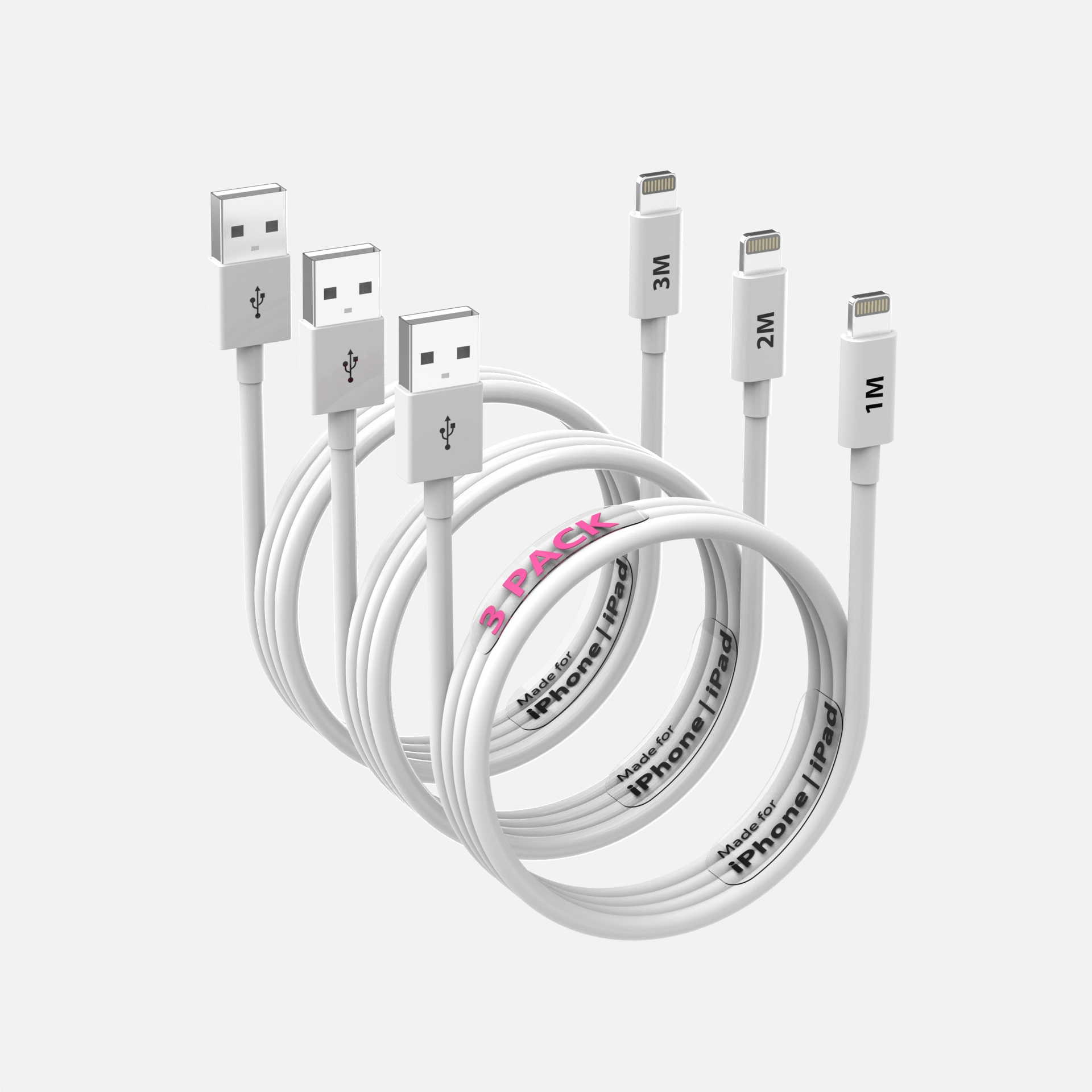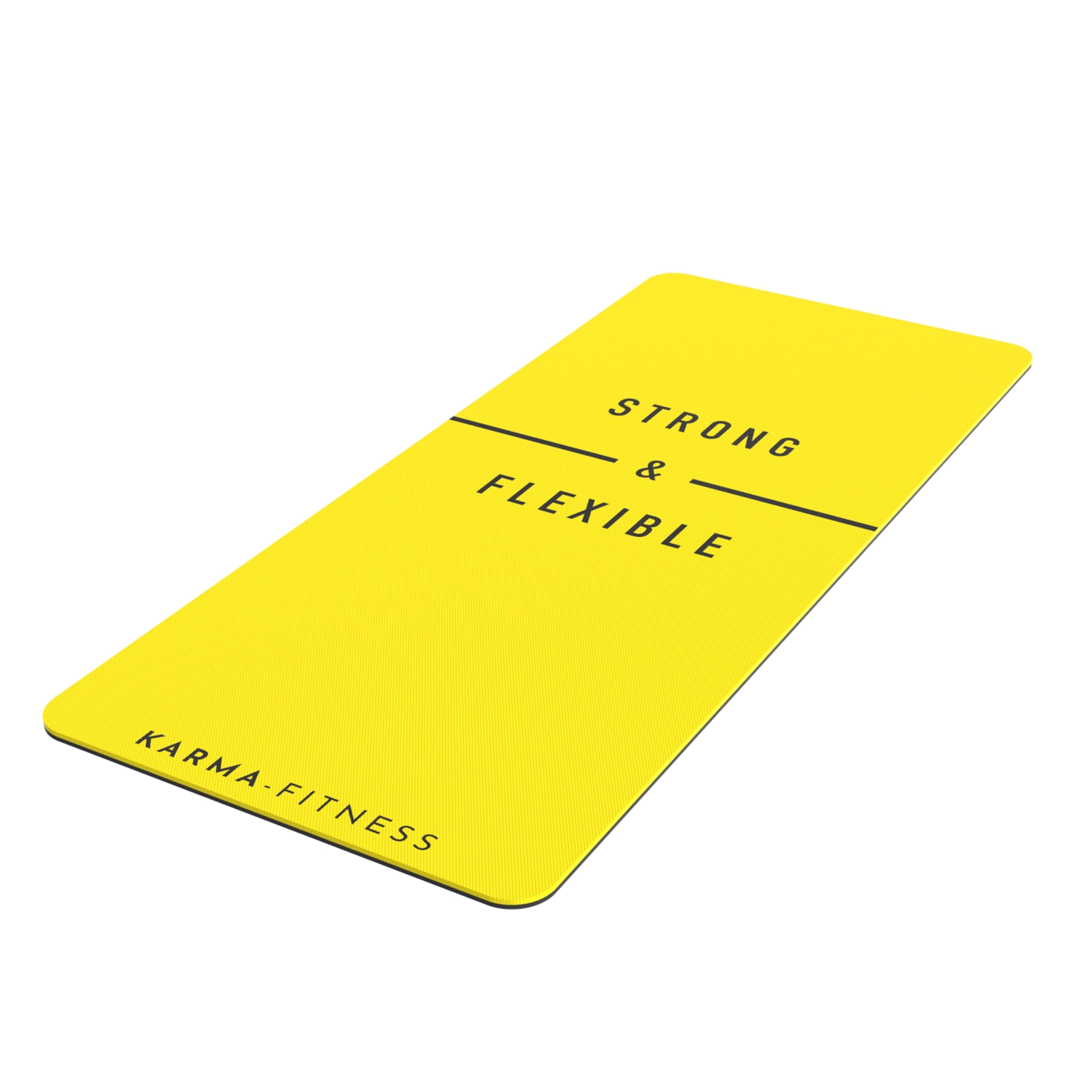
UK brands sit in a particular position: a mature domestic ecommerce market, a separate Amazon marketplace since Brexit, and continued ambition to sell into the EU. That combination puts unusual pressure on product imagery, because the same product often needs to appear in three quite different commercial contexts.
Three channels, three sets of expectations
Amazon.co.uk follows Amazon's global image standards, and the UK buyer sits somewhere between US and German conventions: more receptive to lifestyle presentation than a German buyer, more sceptical of overclaiming than a US one. Infographics work, but restraint reads better.
Your own Shopify or WooCommerce store has no rules at all, which is its own trap. Without a specification, brands accumulate images at inconsistent crops, backgrounds and quality, and the store looks less credible than the Amazon listing.
Retail and wholesale partners are the strictest. John Lewis, Selfridges, Argos and the grocers each issue supplier image guidelines, and they usually want transparent-background files, specific aspect ratios, and assets at print resolution. Failing the specification delays your listing going live.
The transparent background requirement
This one catches UK brands more than any other, because it is uncommon in Amazon-only workflows and near-universal in retail supply.
Cutting a photograph out to a clean alpha channel is manual work, and it is genuinely difficult on products with fine edges, transparency or reflection. Glassware, wire frames, mesh, anything with a soft edge, all cost real retouching hours, and the result is rarely perfect.
A rendered product has a perfect alpha channel by construction. There is nothing to cut out, because the background was never there. For brands supplying multiple retailers this alone often justifies the approach.
Selling into the EU after Brexit
If you sell from the UK into the EU, your imagery has to work for buyers who are now, formally, in a different customs territory. A few practical consequences:
- Packaging shown in imagery should match what EU buyers receive, including any required labelling differences
- Where responsible-person or importer information appears on packaging, EU and UK versions may differ, and imagery showing packaging should be market-appropriate
- Units and language need proper localisation, not a translated overlay on an English graphic
- Some categories carry EU-specific labelling obligations that do not apply domestically
Producing two packaging variants photographically means two photoshoots. Rendered, it is an artwork swap on the same model.
The seasonal pressure
UK retail is heavily seasonal, with a compressed run into Q4 and a wholesale buying calendar that runs months ahead. Product samples routinely arrive after the buyer meeting is scheduled.
This is where rendering from CAD or design files changes what is possible. You can present a complete, consistent range to a retail buyer in June for a product that lands in September. For brands trying to break into retail distribution, being able to present a polished range on schedule is often the difference between getting the meeting and getting the order.
What a sensible UK asset set looks like
Given the three-channel reality, build once for the strictest requirement:
- Main packshot on white, at least 3000 pixels, with generous margin for reformatting
- The same packshot with a transparent background, saved as PNG at full resolution
- Three-quarter hero and at least three detail views
- Dimensional view with metric measurements
- Contents laid out, particularly for anything sold as a set
- Contextual scene or two for your own site and social
- Layered source files for every image carrying text
That set covers Amazon, your own store and most retail supplier portals without reshooting.
Cost, honestly
For a single product sold only on amazon.co.uk, a competent photographer may well be cheaper. The calculation changes when you add a second colourway, a second market, a retail partner requiring cutouts, or a product revision.
Most UK brands reach that point faster than they expect, usually at the moment a retailer says yes and asks for assets in a format they do not have.
Starting point
Take one product that currently sells across more than one channel, and rebuild its imagery properly as a master set. You will immediately see how much of your existing work was channel-specific effort that did not carry across, and you will have a template for everything that follows.
See this quality on your own product
First-time clients get a complete, high-resolution 3D render of their product for $130. Judge the quality before committing to a full package.