Selling to a retail buyer is a different exercise from selling to a consumer. The buyer sees dozens of brands in a day, decides quickly, and is judging whether you look like a company they can rely on to supply consistently. Presentation carries disproportionate weight.
Most brands arrive at trade shows with imagery built for ecommerce, and it does not survive the transition.
Print resolution is a hard requirement
A web image at 1500 pixels looks fine on a listing and falls apart printed at A4, let alone on a three-metre stand graphic. Trade show printers want files at print resolution, and upscaling a web JPEG is visibly bad at the size these graphics are viewed.
This catches brands out repeatedly, usually a week before the show.
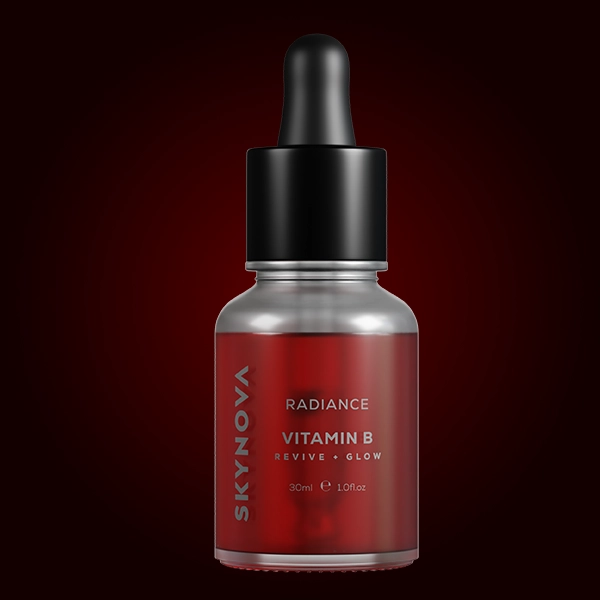
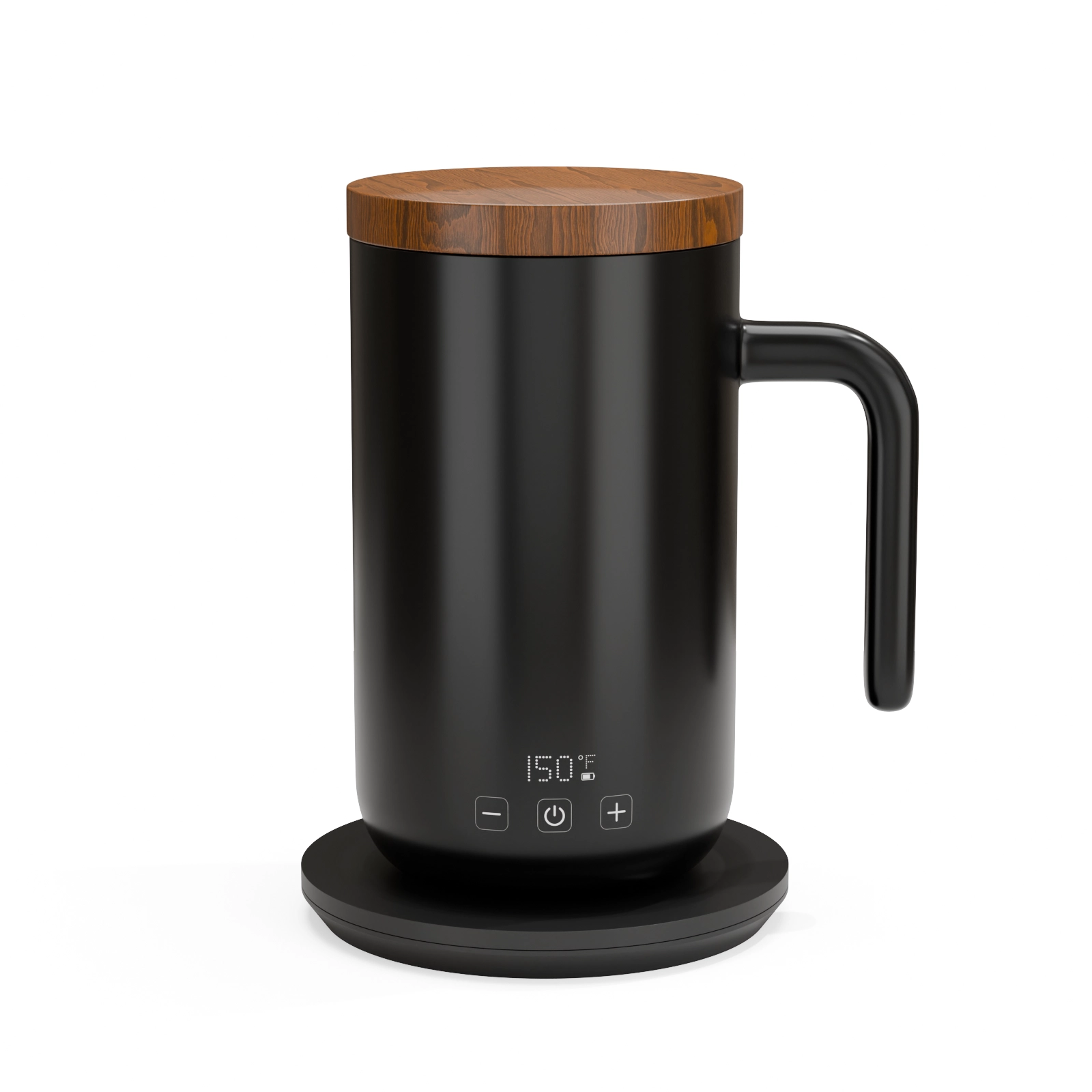
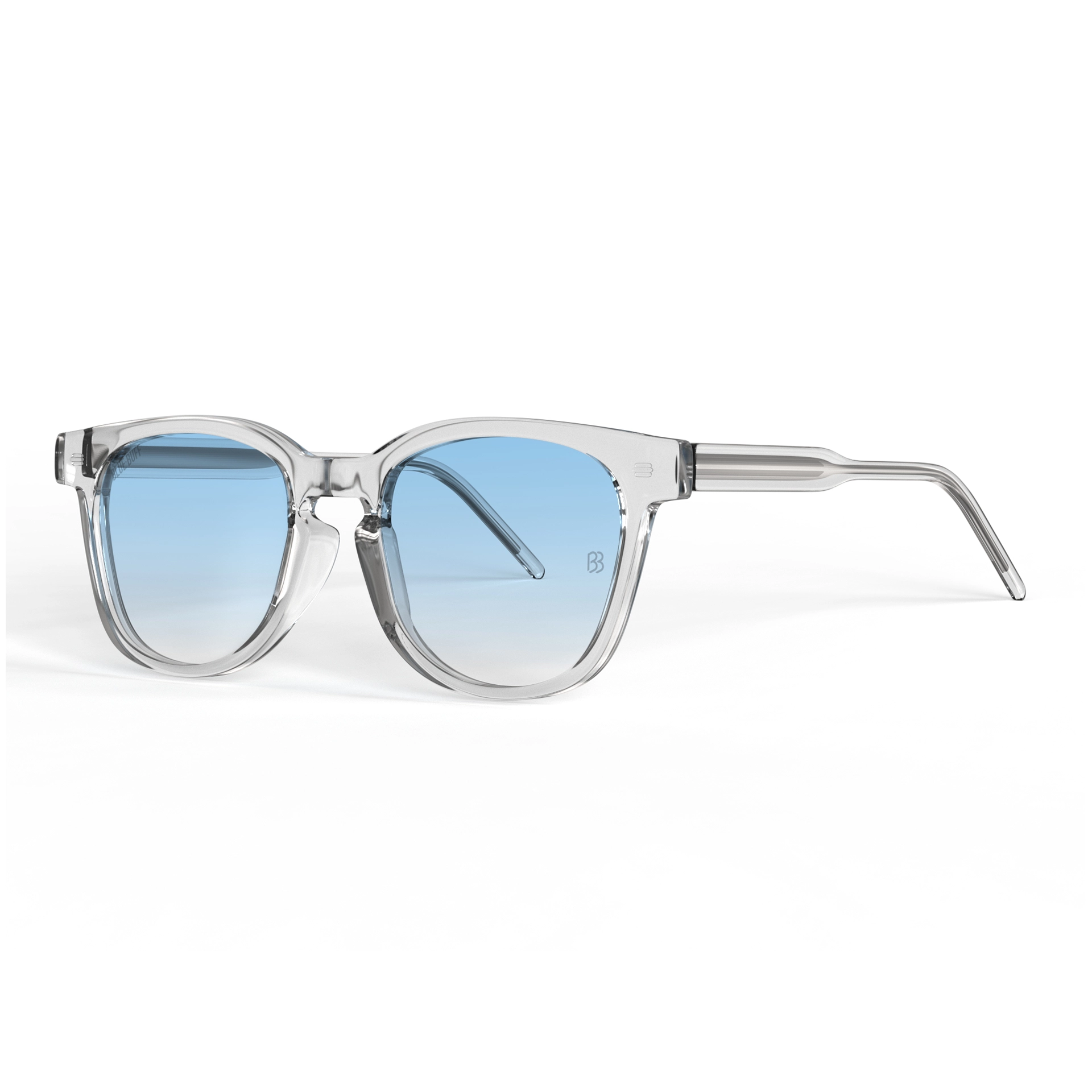
Rendered assets have an advantage that is easy to overlook: resolution is a setting. The same scene that produced your 2000-pixel listing image produces a 10,000-pixel banner without any loss, because it is regenerated rather than enlarged. With photography, if it was not shot at sufficient resolution, it cannot be recovered.
For this reason alone, brands that exhibit regularly tend to move to 3D and stay there.
What wholesale catalogues need
A wholesale or line-sheet catalogue has different conventions from a consumer listing:
- Consistent presentation across the entire range, because the buyer is comparing your products against each other and against competitors
- Clean cutouts on white or transparent, since catalogue layouts place products against brand backgrounds
- Every colourway and variant, as buyers order by SKU
- Accurate colour, because the buyer may be selecting a range on it
- Dimensional information, since shelf space and packaging are their concern
- Packaging shown, because retail buyers care what arrives on their loading dock
That set is expensive to photograph across a full range and cheap to derive from an existing 3D library.
Colour accuracy for print
Print introduces a complication that web imagery avoids. Screen colour is RGB and additive; print is CMYK and subtractive, and some colours simply cannot be reproduced. Vivid oranges and certain blues are common casualties.
Practical steps:
- Tell your studio the imagery is going to print, before production rather than after
- Provide Pantone references for brand and product colours where they exist
- Ask for output in a suitable colour profile rather than converting a web JPEG yourself
- Request a proof for anything colour-critical, particularly if a buyer will select from it
A studio experienced with print will raise this unprompted. One that does not may be a signal.
Stand graphics
Trade show stands have specific demands beyond resolution:
- Very large format, viewed from several metres, where composition matters more than fine detail
- Awkward aspect ratios, tall narrow panels, wide banners, curved surfaces
- Areas that will be obscured by furniture, staff or structure
- Often a short lead time between design approval and print deadline
Rendered assets handle reframing gracefully because the scene can be re-rendered at a new aspect ratio rather than cropped. A photograph reframed to a 1:4 banner usually loses the product.
The pre-season problem
Wholesale operates months ahead of consumer availability. Buyers commit for a season based on what you can show them, and what you can show them is frequently limited by whether samples exist.
This is where rendering from design files changes the commercial position. You can present a full, polished, consistent range for products that will not be manufactured for months. For a brand trying to secure distribution, showing up with a complete catalogue while competitors show prototypes and promises is a real advantage.
One asset set, both audiences
The efficient approach is to build the master asset set at print resolution with transparent-background versions from the start, then derive web images from it. Doing it in that order costs almost nothing extra. Doing it in reverse means reproducing everything.
If you know you will exhibit or pursue wholesale within the next year, specify print resolution now.
What to tell your studio
- That output is destined for print, and at what maximum size
- Which colours are brand-critical and any Pantone references
- Whether transparent backgrounds are required, and in what format
- The aspect ratios your stand design will need
- Your show date, since it is a hard deadline and studios schedule differently for those
Getting these into the brief at the start is the difference between a smooth pre-show month and an expensive scramble.
See this quality on your own product
First-time clients get a complete, high-resolution 3D render of their product for $130. Judge the quality before committing to a full package.