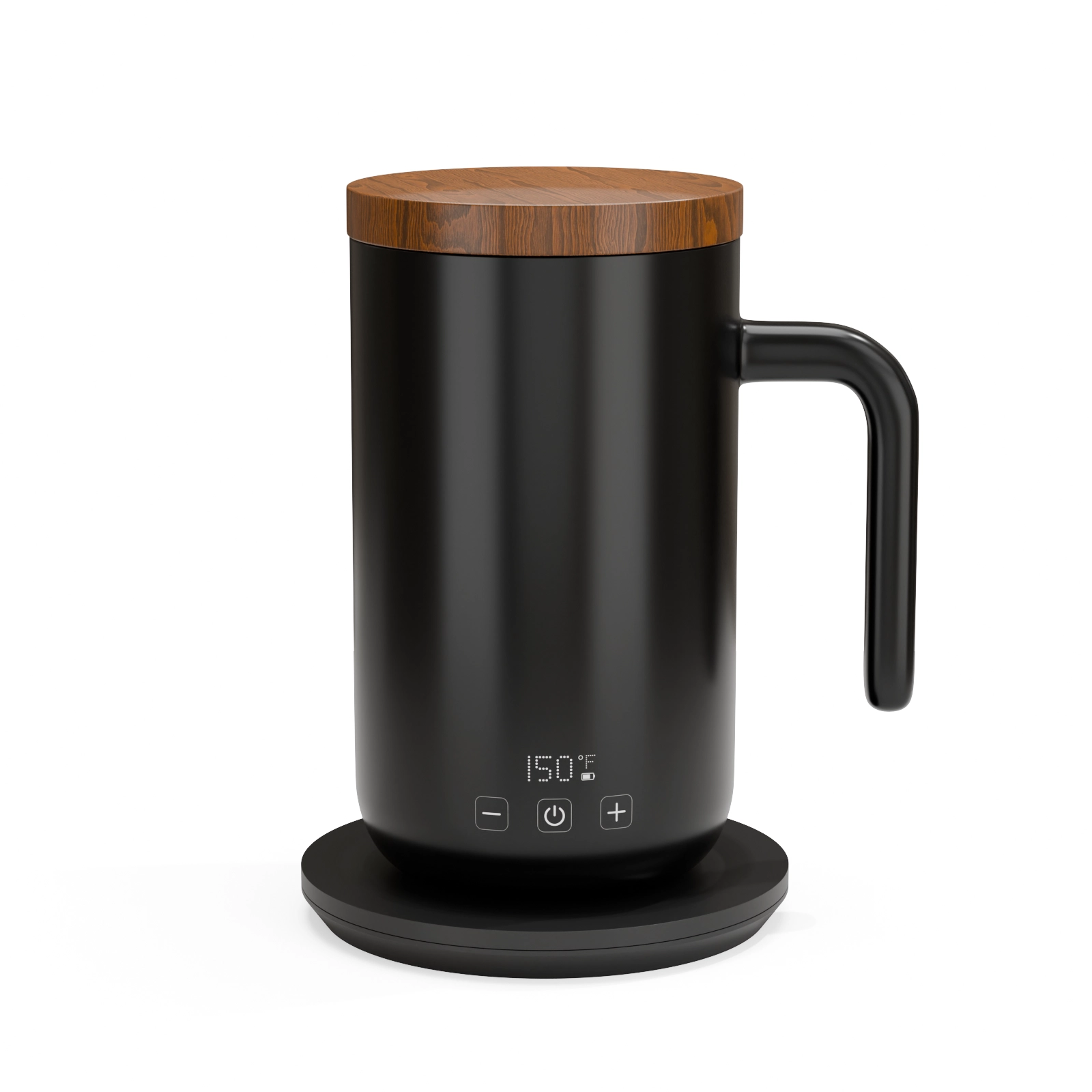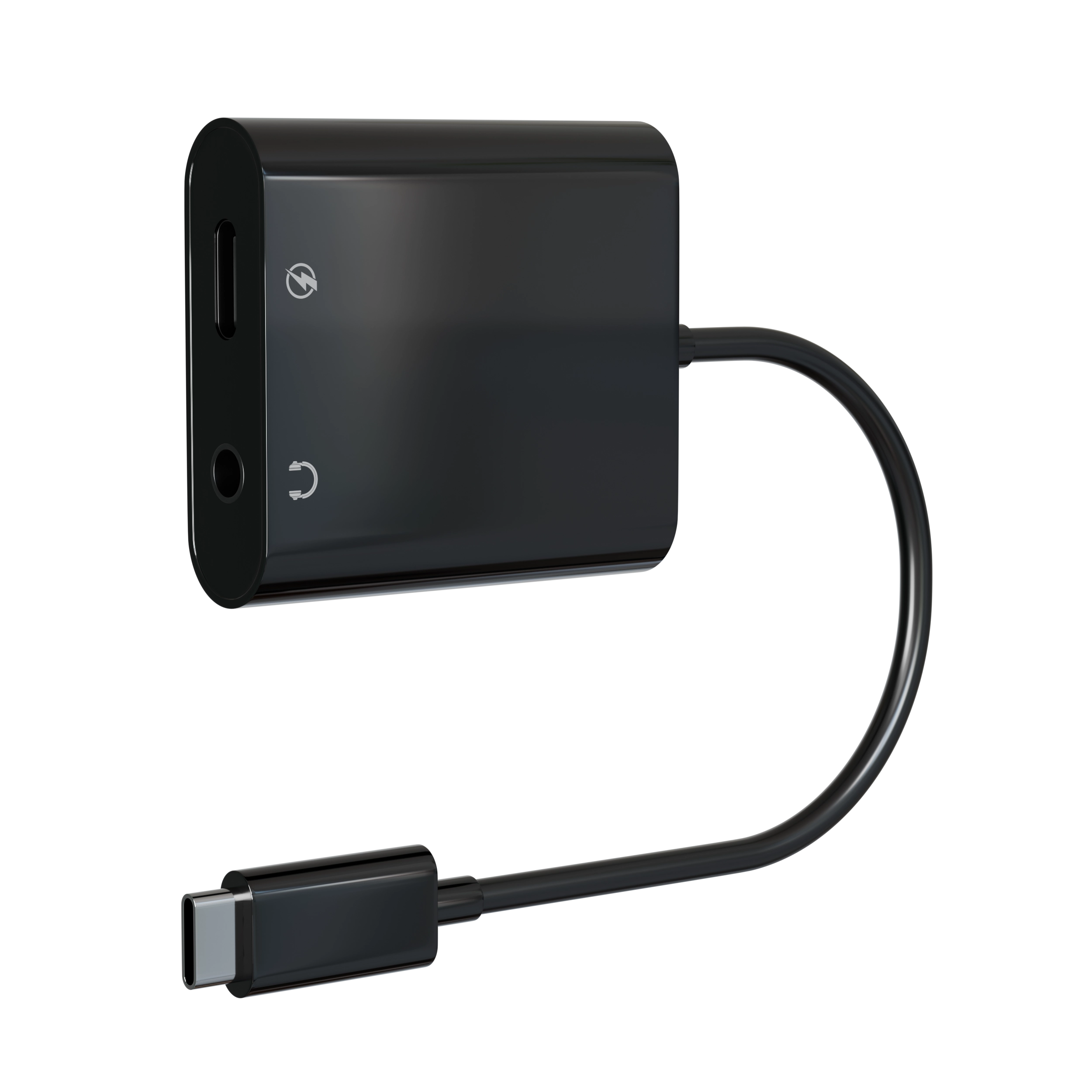
The automotive aftermarket is a demanding category for imagery. Buyers are knowledgeable, fitment is binary, SKU counts run into thousands, and the finishes, anodised aluminium, powder coat, polished stainless, carbon fibre, are among the hardest surfaces to photograph convincingly.
It is also one of the categories where 3D pays back fastest, for a straightforward reason: variant count.
The variant problem
A single bracket design might exist in four finishes, for eleven vehicle applications, in two hardware configurations. That is eighty-eight SKUs from one part.
Photographing that is not realistic. Most brands respond by photographing one representative variant and reusing the image across the family, which creates exactly the ambiguity this audience punishes. A buyer who receives black when the listing showed raw aluminium leaves a review about it.
Rendered, finishes are material swaps and configurations are assembly variations on models that already exist. The eighty-eighth image costs a fraction of the first.
Fitment imagery converts
Fitment is the entire purchasing question in this category. Does it fit my vehicle, my year, my trim.
Imagery that addresses it directly outperforms hero shots:
- The part shown installed in its actual mounting position
- Mounting point detail, showing the bolt pattern and how it engages
- Clearance visualisation, particularly for anything near suspension travel, exhaust heat or steering
- Before and after of the mounting area
- Exploded views of what is included, hardware, gaskets, adapters, since missing-hardware complaints are common
- Comparison against the OEM part being replaced
Photographing installed views means physically installing on the right vehicle. For eleven applications, that is eleven installations. Rendered against vehicle geometry, it is a placement exercise.
Finishes are where quality shows
The surfaces this category depends on are the ones that reveal a cheap render immediately, and equally reveal a cheap product photograph.
- Anodised aluminium shifts hue with angle and has a distinctive slightly translucent depth over the machined surface
- Powder coat should read as a thick, slightly soft layer with visible edge build-up, not as paint
- Polished stainless and chrome are entirely reflection, so what they reflect determines whether they look real
- Raw machined aluminium shows tool paths, and those tool paths are evidence of manufacturing quality
- Carbon fibre weave has to be correctly scaled and correctly oriented, and getting the clear-coat depth right is what separates convincing from plastic-looking
When evaluating a studio for automotive work, look specifically for these materials in their portfolio. Generic product rendering experience does not transfer automatically.
Machined detail matters to this buyer
Automotive buyers examine imagery in a way most consumers do not. They look at weld quality, chamfers, thread engagement, wall thickness, radius transitions.
This cuts both ways. Renders that show that detail honestly build credibility with a technical audience. Renders that smooth it away look like marketing rather than engineering, and this audience notices.
Practically, that means rendering from the production CAD rather than a simplified model, and resisting the temptation to idealise. Show the parting line. Show the weld. Show the machining marks. It reads as authentic because it is.
The German market specifically
Germany is a large aftermarket with distinct expectations. TÜV approval and part certification matter commercially, and buyers look for evidence of compliance and quality engineering rather than styling claims.
Imagery for this market benefits from a more technical emphasis: dimensional accuracy, material specification, installation clarity, evidence of build quality. The busy, arrow-heavy infographic style that works on Amazon.com tends to underperform against a cleaner, more engineering-led presentation.
Because 3D lets you produce market-specific overlays on identical base imagery, serving both a US and a German audience properly does not mean two photo shoots.
Catalogue and distributor requirements
Aftermarket brands sell through distributors and catalogue platforms that impose their own asset requirements: transparent backgrounds, consistent angles across the range, specific resolutions, sometimes standardised orientations.
Meeting those requirements across thousands of SKUs is only feasible from a modelled library. It is also where brands with clean, consistent assets win listing placement over competitors submitting inconsistent photography.
What to have ready
- CAD for the part family, ideally with the variants already configured
- Finish specifications, including anodising type and colour, powder coat references, and any Pantone matches
- Vehicle fitment data, and ideally vehicle geometry if installed views are needed
- The full SKU and variant matrix, so the render plan matches the catalogue structure
- Distributor asset specifications, if you supply any
A sensible starting point
Pick one part family with high variant count and render it completely: every finish, every configuration, with installed and exploded views. That single family gives you a real per-SKU cost at your actual variant density, which is the only number that matters when planning a catalogue in this category.
See this quality on your own product
First-time clients get a complete, high-resolution 3D render of their product for $130. Judge the quality before committing to a full package.