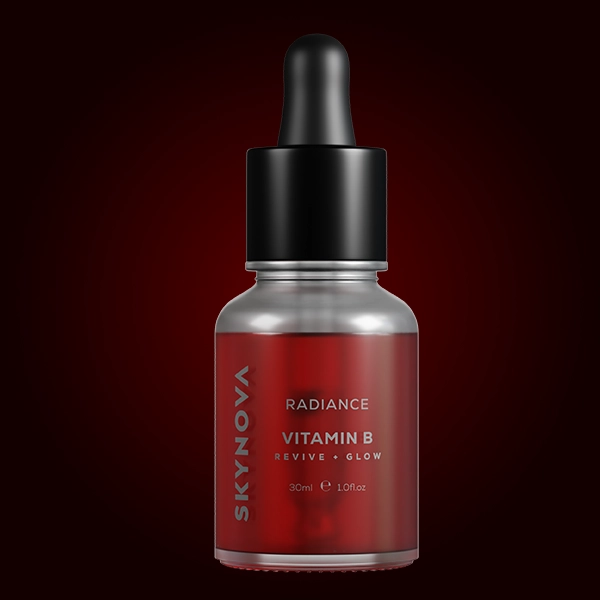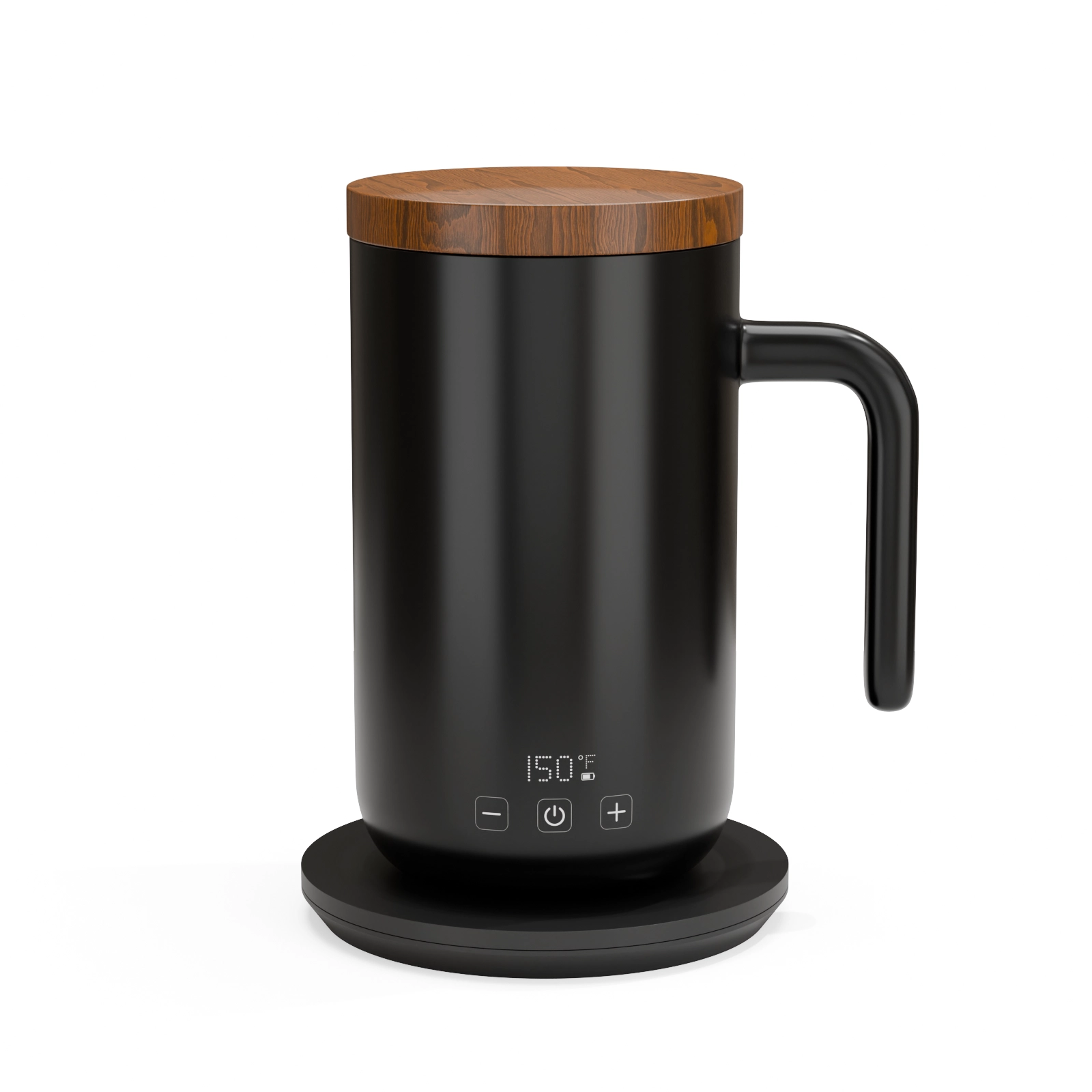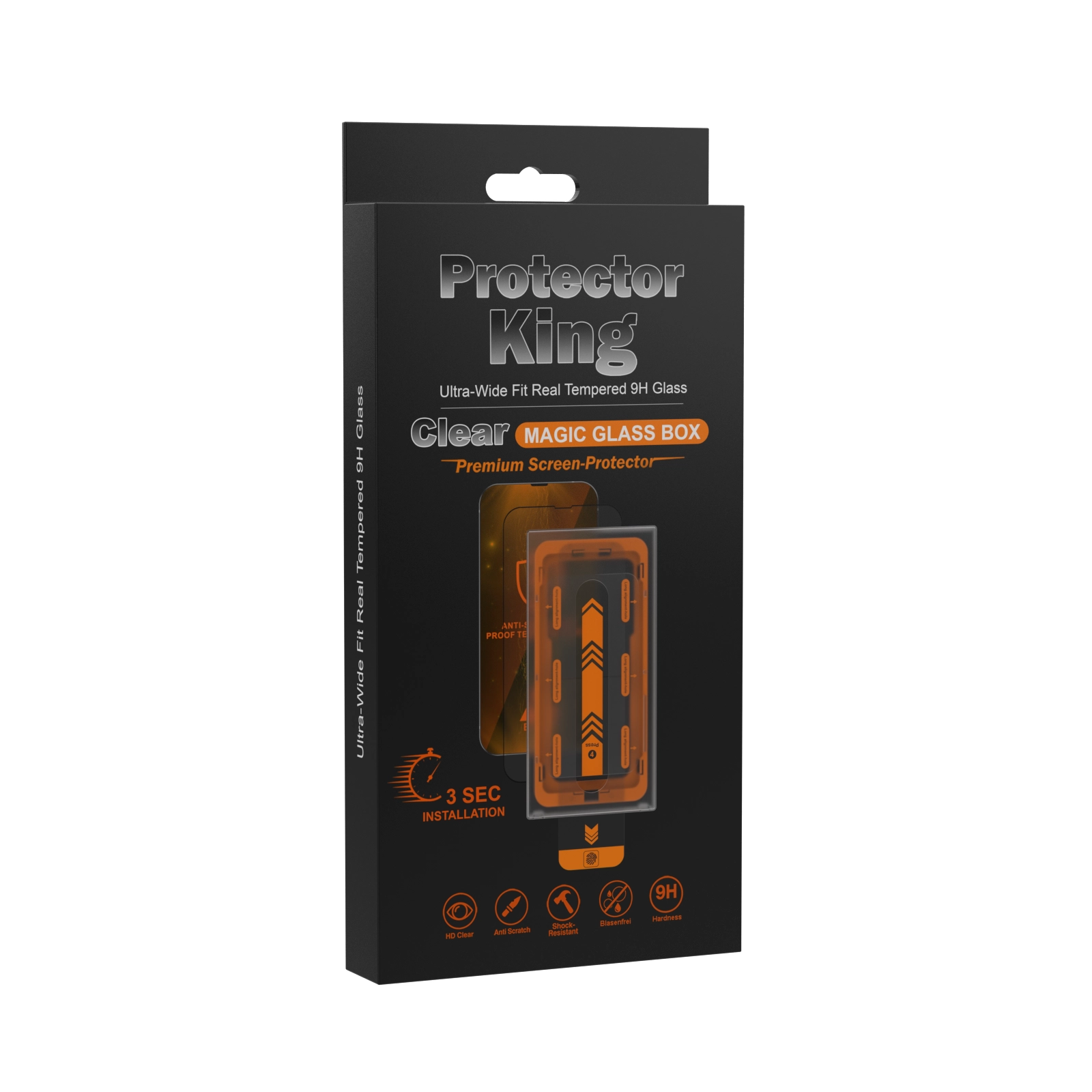
Supplements are a packaging business. The powder inside is largely invisible to the buyer; the tub, the label, the finish and the shelf presence do the selling. That makes the category unusually well suited to 3D, because packaging is the one thing you can render perfectly before it physically exists.
Selling before the print run
The conventional sequence is: finalise artwork, order a print run, wait, receive stock, photograph it, build the listing, launch. Each step gates the next, and the photography sits right at the end where delays hurt most.
Rendering inverts it. From the dieline and the artwork file, you can produce final-quality imagery while the print run is still in production. That means your Amazon listing, your website, your ad creative and your retailer submissions are all ready the day stock lands rather than two weeks after.
For a category where launch velocity matters and competitors appear weekly, that fortnight is real money.
Testing artwork before you commit
The more valuable use is earlier still. A print run of ten thousand tubs is a serious commitment to a design decision. Rendering the artwork onto the actual container shape, under realistic lighting, shows you things a flat PDF proof cannot:
- How the label wraps and where the seam falls
- Whether the typography survives the curve of a cylindrical tub
- How a matte lamination reads against a gloss spot varnish
- Whether the flavour differentiation is legible at thumbnail size
- What the product looks like in a row of six on a shelf
Catching a legibility problem at this stage costs a render revision. Catching it after printing costs a run.
Flavour and SKU variants
Supplement brands multiply SKUs quickly. One formula becomes six flavours, then three sizes, then a bundle. Photographing every permutation is expensive and, worse, inconsistent as it happens across different sessions.
In 3D the container is modelled once. Each flavour is a label swap on an identical scene. The result is a perfectly uniform set where the only difference between images is the thing that should differ, which makes range pages and A+ content look deliberate rather than assembled.
Bundles are similarly cheap. A three-tub arrangement, a starter kit, a subscription box, all are compositions of assets you already have.
The claims discipline
Nutrition marketing is regulated differently in every market you are targeting, and imagery is part of the claim.
In the EU, only authorised health claims may be made, and the framework is strict. The US operates a different structure with structure-function claims and required disclaimers. The UK has diverged from the EU in some particulars post-Brexit. An image that implies a therapeutic outcome can be a problem even when your label text is compliant.
Practical guidance:
- Decide market by market what your imagery may imply before briefing.
- Keep the compliant label artwork as the single source of truth. The render should show what actually prints, not an idealised version.
- Be careful with contextual props. Imagery that places a supplement alongside medical objects reads as a therapeutic claim.
- If you sell into several jurisdictions, expect to produce market-specific variants. This is far cheaper in 3D than in photography.
Ingredient and texture visualisation
The other place 3D earns its keep is showing what is inside. A scoop of powder with believable texture, a capsule cross-section, a gummy with accurate translucency. These are surprisingly difficult to photograph well and surprisingly persuasive when done properly.
Ingredient callouts also benefit. Rather than stock photography of turmeric root that every competitor is also using, a rendered composition built around your actual container looks proprietary.
What to have ready
- The dieline or structural file for your container, from your packaging supplier
- Print-ready artwork, ideally the same file going to press
- Finish specification: matte or gloss lamination, spot UV, foil, embossing
- The container material, since HDPE, PET and aluminium behave differently
- Exact colour references
- Your target markets, so claim boundaries can be set per version
A sensible first project
Render one SKU before your next print run, not after. Use it to check the artwork on the real form, then keep the asset for the launch. If the render catches a single legibility or seam problem before printing, it has already paid for itself, and you finish with launch-ready imagery weeks ahead of schedule.
See this quality on your own product
First-time clients get a complete, high-resolution 3D render of their product for $130. Judge the quality before committing to a full package.