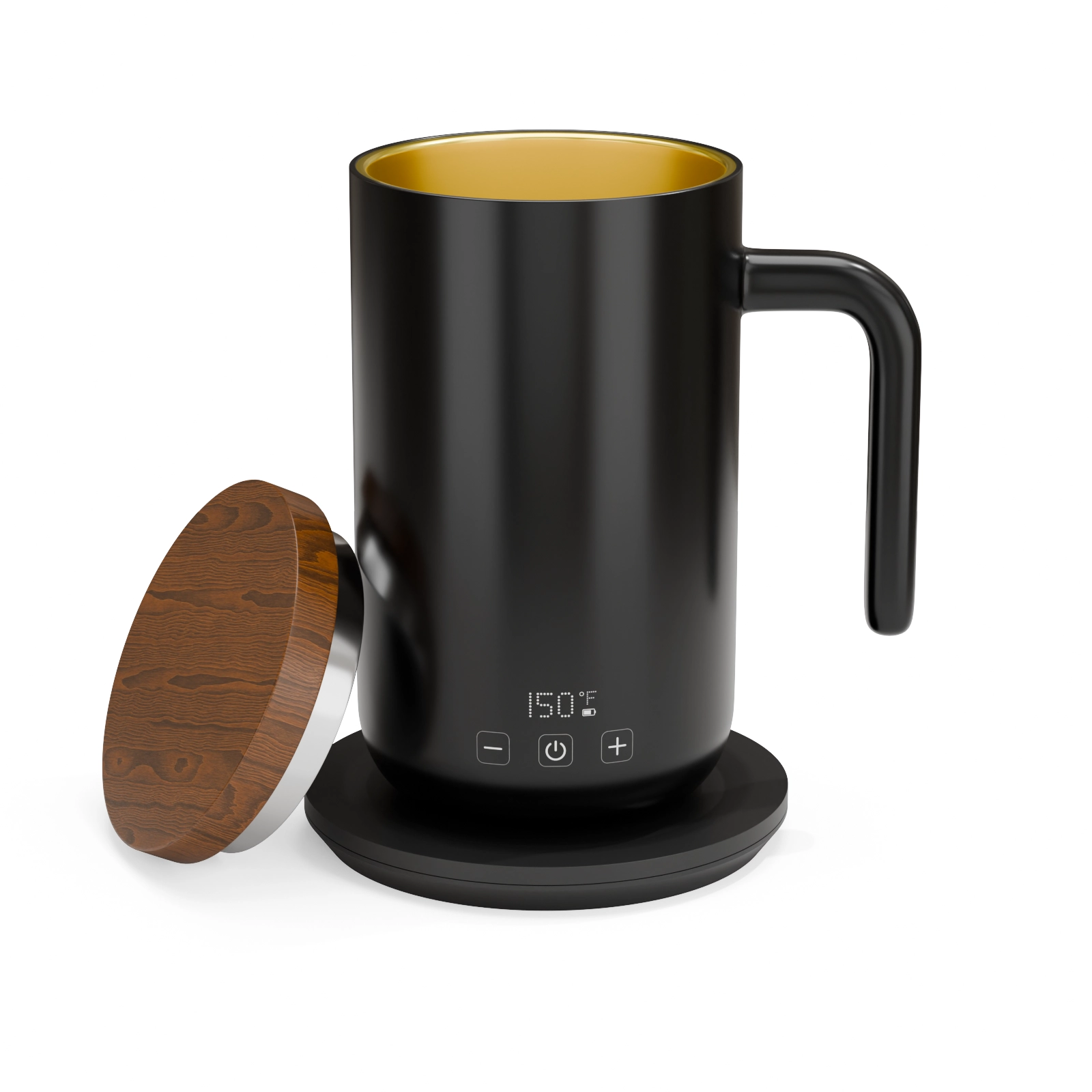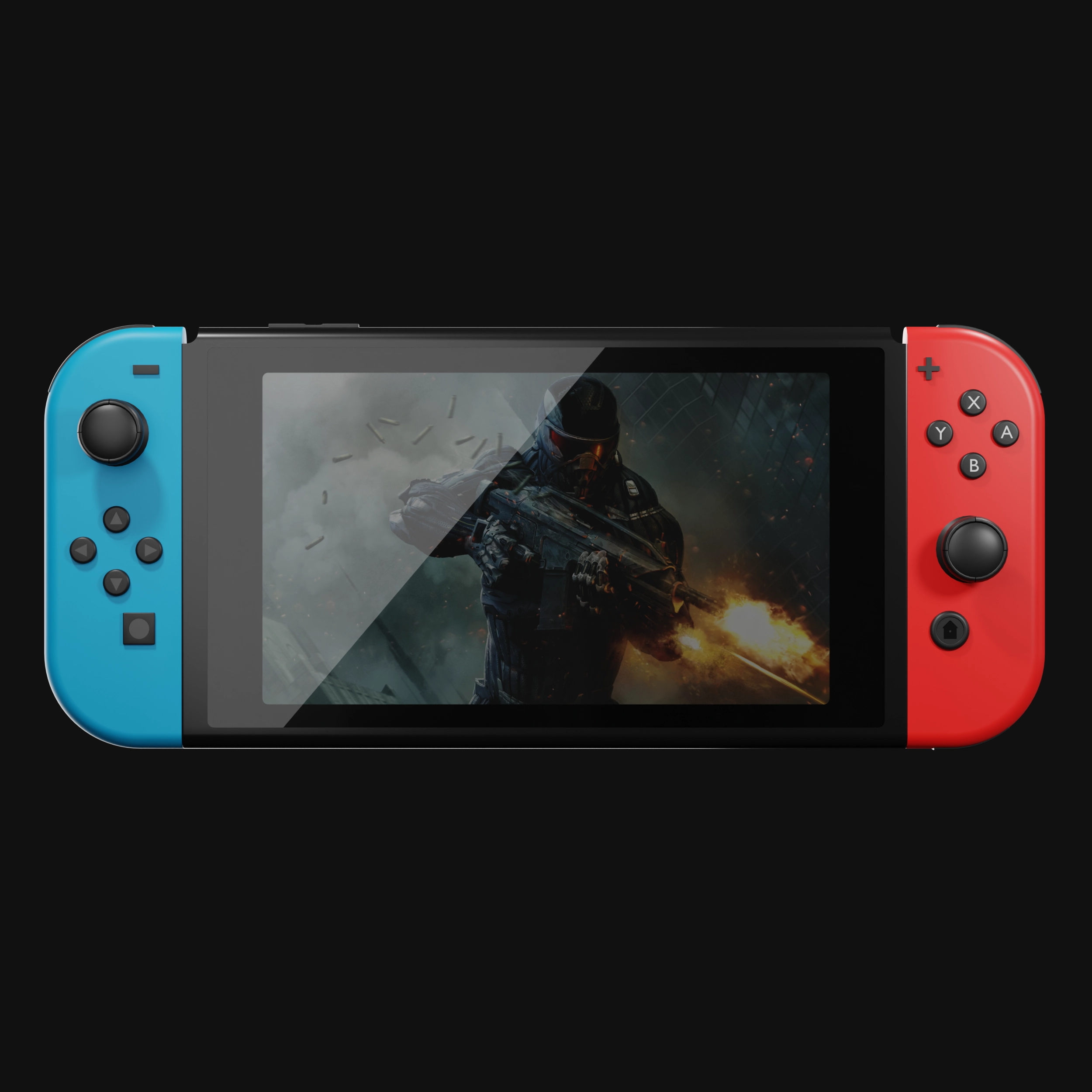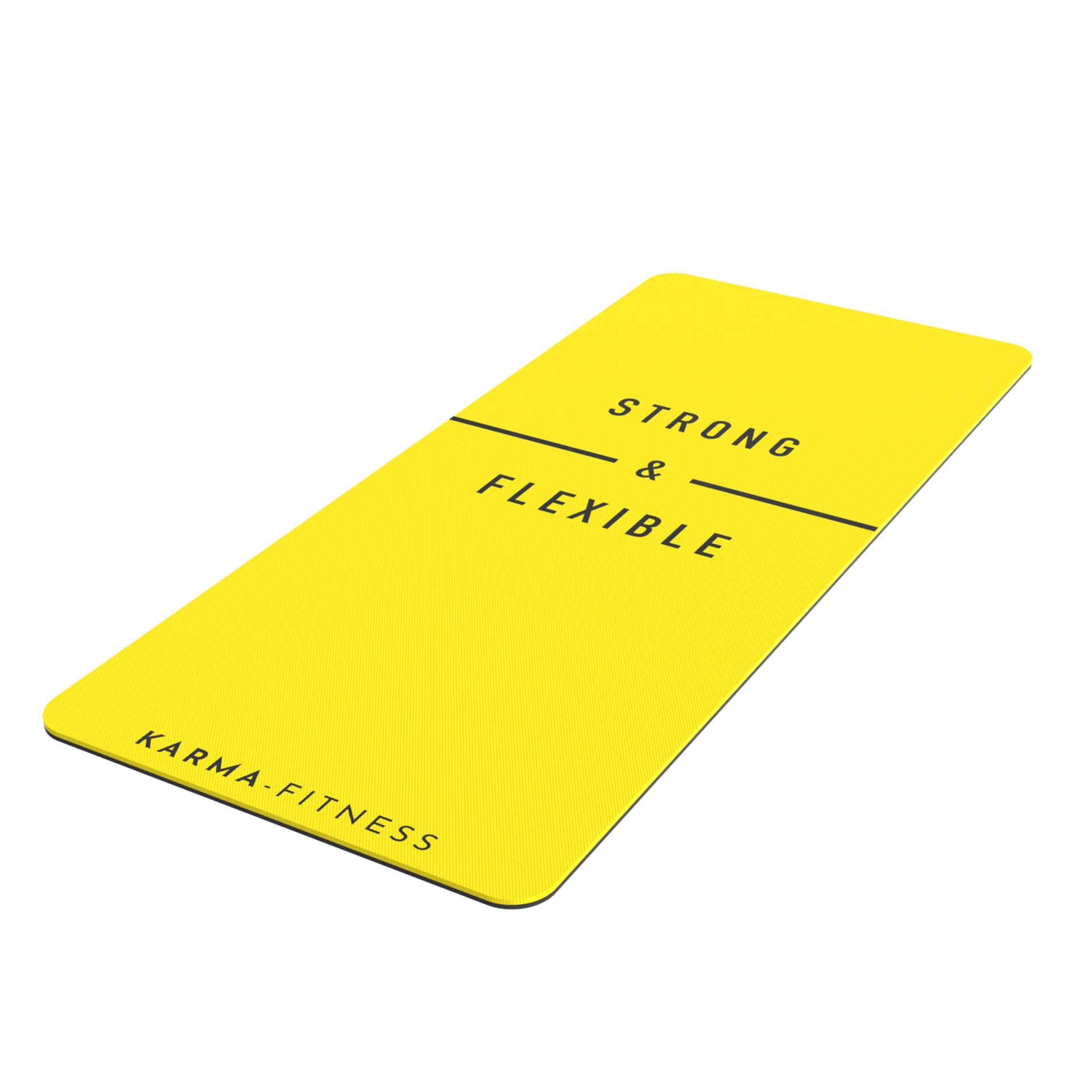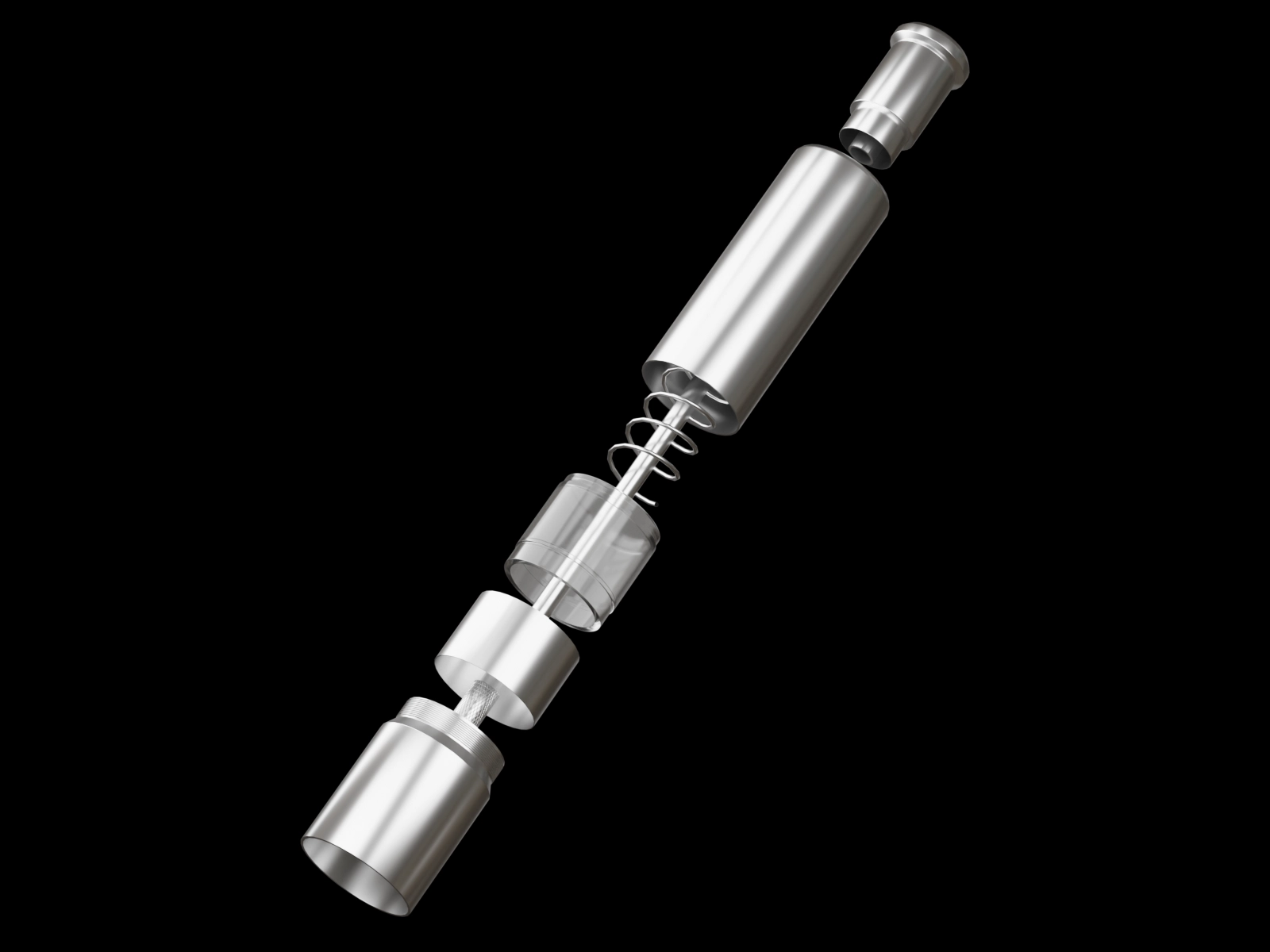
A product digital twin is an accurate 3D model of the physical item you sell, built to real dimensions with real materials, from which every image, animation, colorway and interactive viewer is generated. You commission it once. Everything visual you need afterwards comes out of it.
The phrase comes from manufacturing, where digital twins mirror machines in service. In ecommerce the idea is narrower and more immediately useful: stop buying photographs, start owning the thing photographs are made from.
What is actually in it
Geometry built to your drawings. Not approximately the right shape, the right shape, so an orthographic view with measurements is truthful.
Materials that behave like the real ones under light: how the powder coat scatters, how the glass refracts, how the anodised edge catches a highlight.
Branding applied from your artwork files, positioned where it sits on the physical unit.
Mechanisms where relevant: lids that open, straws that flip, components that separate for an exploded view.
Variants as data rather than as separate models: colors, sizes, finishes, bundles.
What it replaces
Once the twin exists, the following stop being separate projects with separate quotes:
- New angles for a listing refresh
- A new colorway that has not been manufactured yet
- Packaging visuals before the print run
- A feature callout or exploded animation
- A 360 spin or an interactive viewer for your product page
- Retailer and wholesale catalog imagery at their spec, not yours
- Investor and trade-show visuals
Each of those becomes a render job against an asset you already own, rather than a shoot to schedule.
The economics
The first project carries the model build, which is why a first product costs more than the fifth image of it. After that the per-image cost falls sharply: our catalog work lands in the low forties per render, against the $100 to $500 per image commonly quoted for studio packshots.
The bigger saving is the one that never appears on an invoice. No samples shipped, no studio day booked, no reshoot when marketing decides the angle is wrong, no waiting for production units before the campaign can start.
Protectorking has run this way for three years across more than forty device models, without a photoshoot.
Why it matters more now than it did two years ago
AI image tools have made cheap product imagery genuinely cheap. What they have not made cheap is accuracy, consistency across a range, or the ability to show something that does not exist yet. All three come from having a model rather than a collection of pictures.
There is a second reason. Product pages are increasingly read by machines: marketplace validators, comparison engines, and AI shopping assistants. Imagery that matches the specification you publish is easier to trust, and mismatches between your images and your stated dimensions are easier than ever to detect.
How to start without a big commitment
Pick the SKU you sell most of. Have it modeled properly, with the variants mapped out even if you only render one of them now. Use it for the listing refresh you were going to pay for anyway. Then measure what the next color costs you.
That is the whole argument. The second render is where a digital twin stops being a concept and starts being cheaper.
Start with one product for $130 and keep the model.
See this quality on your own product
First-time clients get a complete, high-resolution 3D render of their product for $130. Judge the quality before committing to a full package.