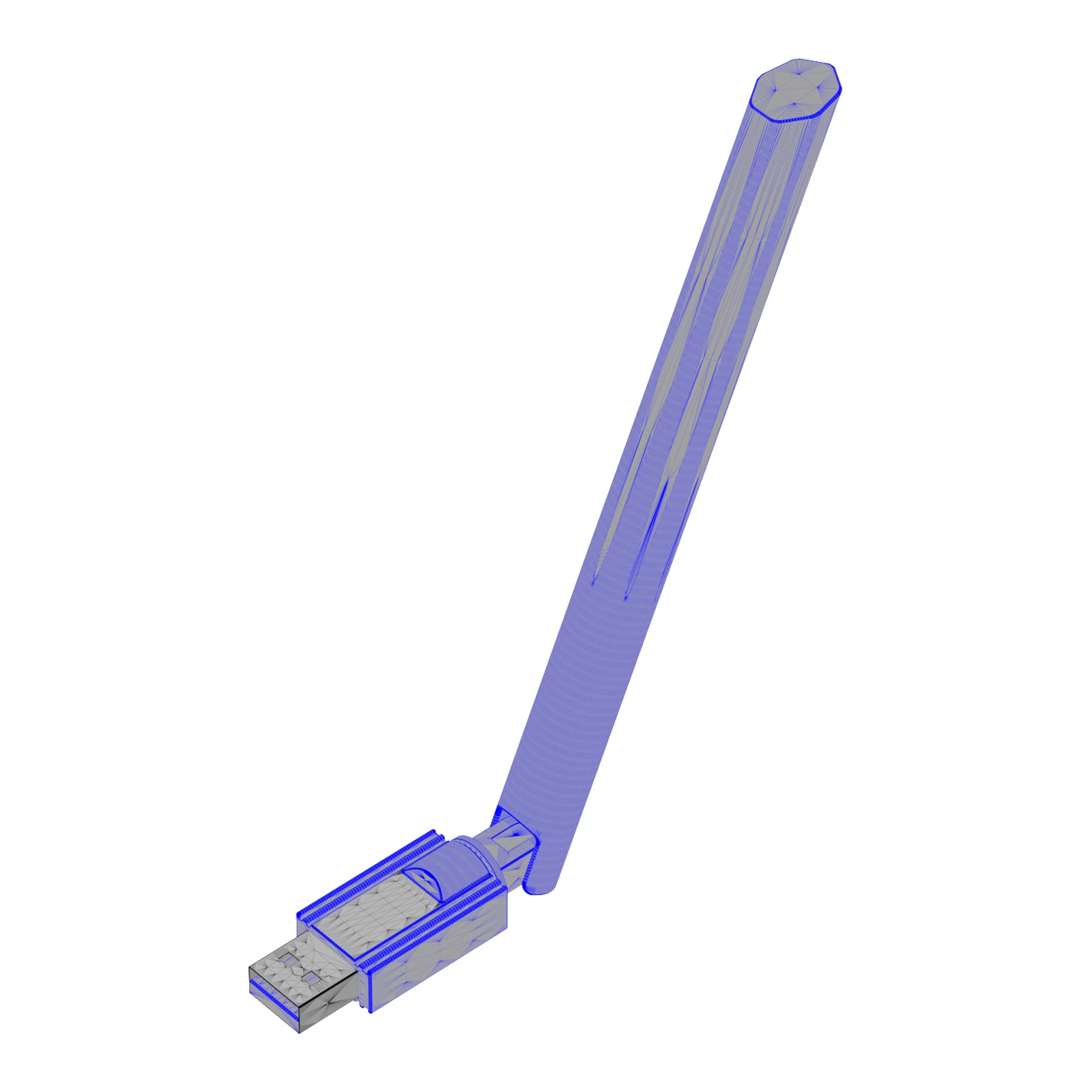
Sometimes the product exists but the files do not. A supplier stopped responding, a product was bought in without CAD, an old design was never digitised, or you want to improve an item you already sell. Reverse engineering rebuilds that product as clean, editable CAD so you can manufacture, modify or market it again.
What reverse engineering produces
The goal is not a scan. A raw 3D scan is a dense, noisy mesh that is hard to edit and cannot go straight to a factory. A proper reverse engineering job produces:
- Parametric CAD with clean features that can be changed later
- STEP files any supplier can open
- Dimensioned drawings based on real measurements
- Notes on what was measured and what was inferred, so you know which dimensions are exact
Three ways to start
From a physical sample
The most accurate route. Critical features are measured with calipers and gauges, and the model is rebuilt feature by feature. With a sample, key fits can usually be matched to fractions of a millimetre.
From photos and measurements
Clear photos from several angles, plus two or three measurements or an object of known size in the frame, are enough for many products. The model is scaled from known features, and anything estimated is flagged.
From video
A short handheld video can be surprisingly useful because it shows the product from many angles and reveals how moving parts behave. Rolio sent us seventeen seconds of phone footage of a Bluetooth adapter; the full model, including the working hinge, was built from it. The Rolio case study shows the process.
Do you need a 3D scanner?
For most consumer products, no. Scanning helps with complex organic shapes, but prismatic products such as housings, adapters, brackets and accessories are faster and cleaner to model directly from measurements. A scan can also be used as a reference underneath a clean parametric rebuild.
How accurate is it?
Accuracy follows the reference:
- Sample plus calipers: critical dimensions measured directly, suitable for replacement parts and mating components.
- Photos plus measurements: proportions accurate, secondary dimensions estimated; ideal for renders, redesigns and first prototypes.
- Photos only: fine for marketing visuals, not recommended for parts that must mate with existing hardware.
A professional deliverable tells you which category each dimension falls into. Always print a prototype and check it against the original before ordering tooling.
Common reasons brands use it
- Missing files: you own the product but not the CAD.
- Product improvement: fix the weak hinge or clip that customers complain about in reviews.
- Spare parts: keep supplying replacements for a discontinued item.
- Private label development: start from a sample and develop your own improved version.
- Marketing assets: photoreal renders and exploded views when no CAD exists.
The legal point to check
Rebuilding your own products, or parts for repair, is routine. Copying another company's product can infringe patents, registered designs or trade dress, depending on the market. Before reverse engineering anything you did not design, confirm you have the right to reproduce it, and treat competitor products as inspiration for an improved, different design rather than a copy.
What it costs
Simple single parts typically start around $390 with us; multi-part products are quoted as a CAD project from $1,890. Adding a listing render set from the same model is a small extra, because the modeling is already done. See engineering pricing or read more about our reverse engineering service.


