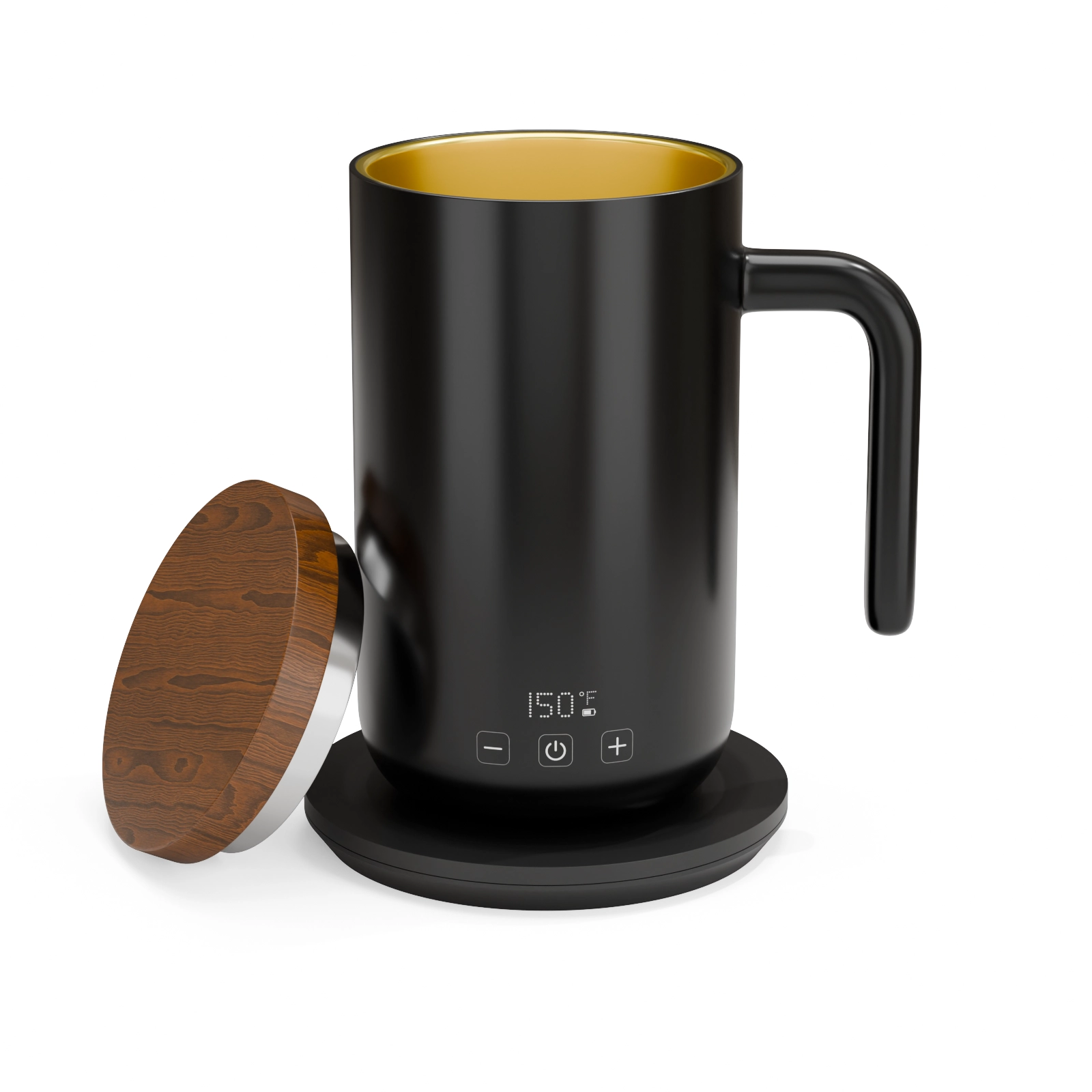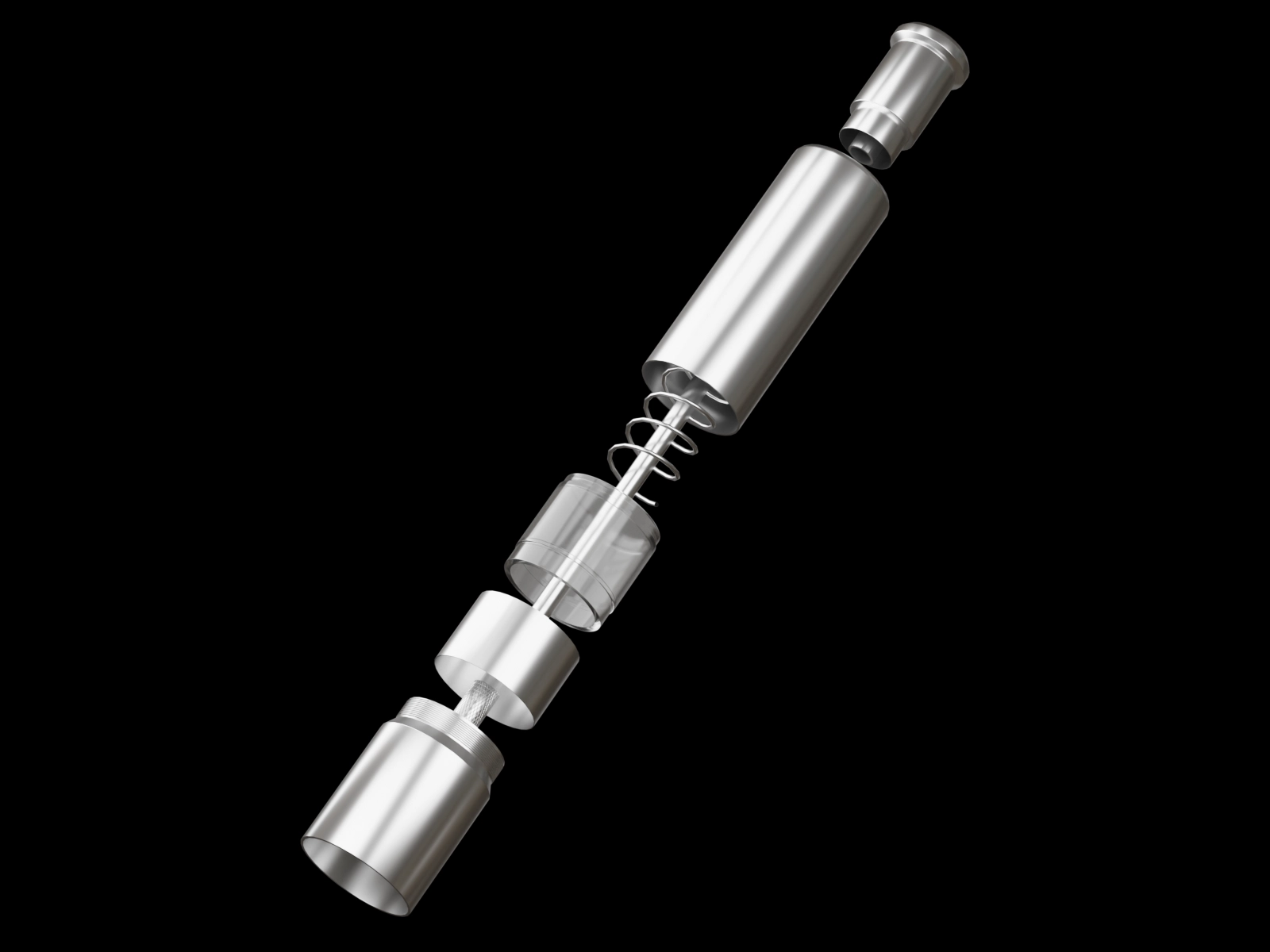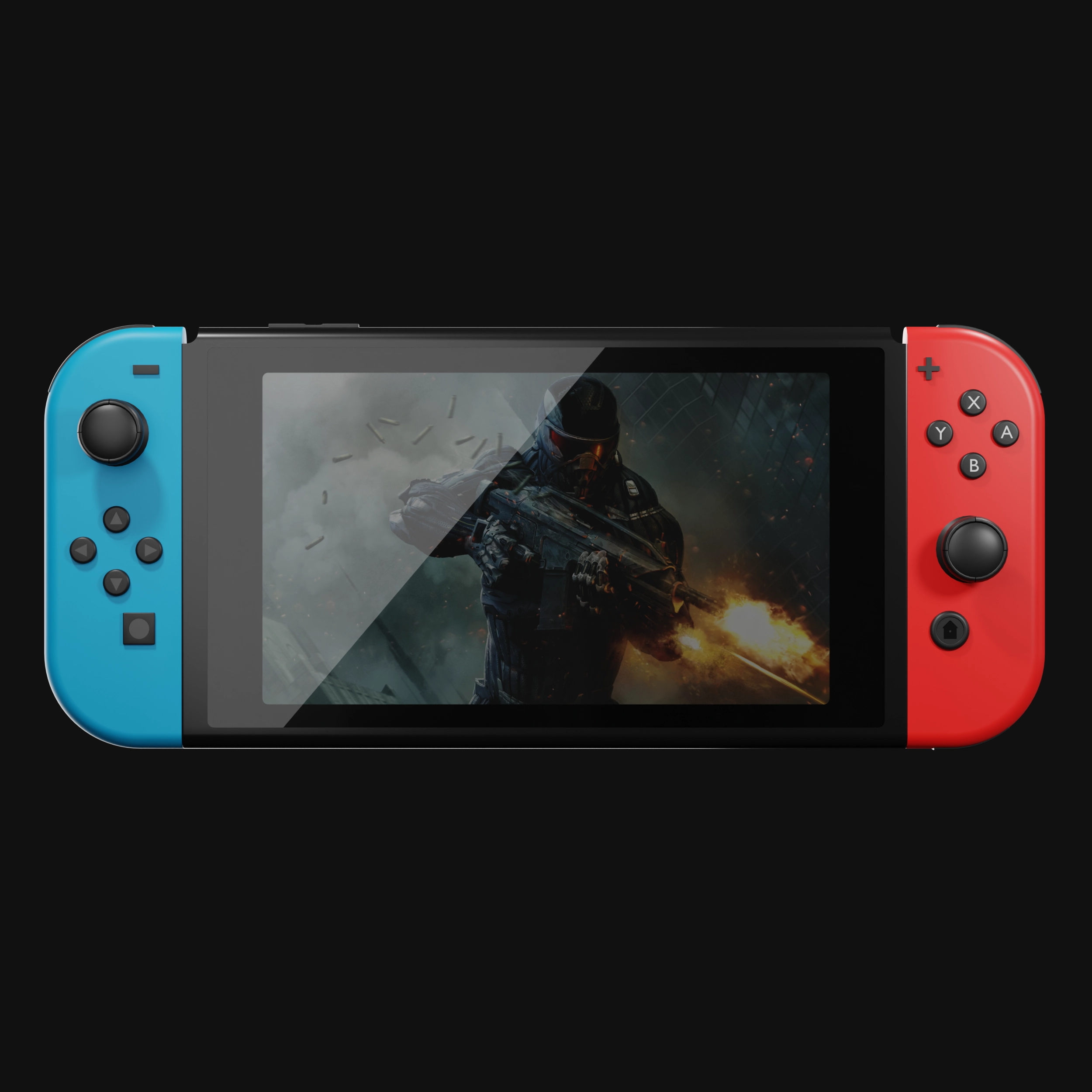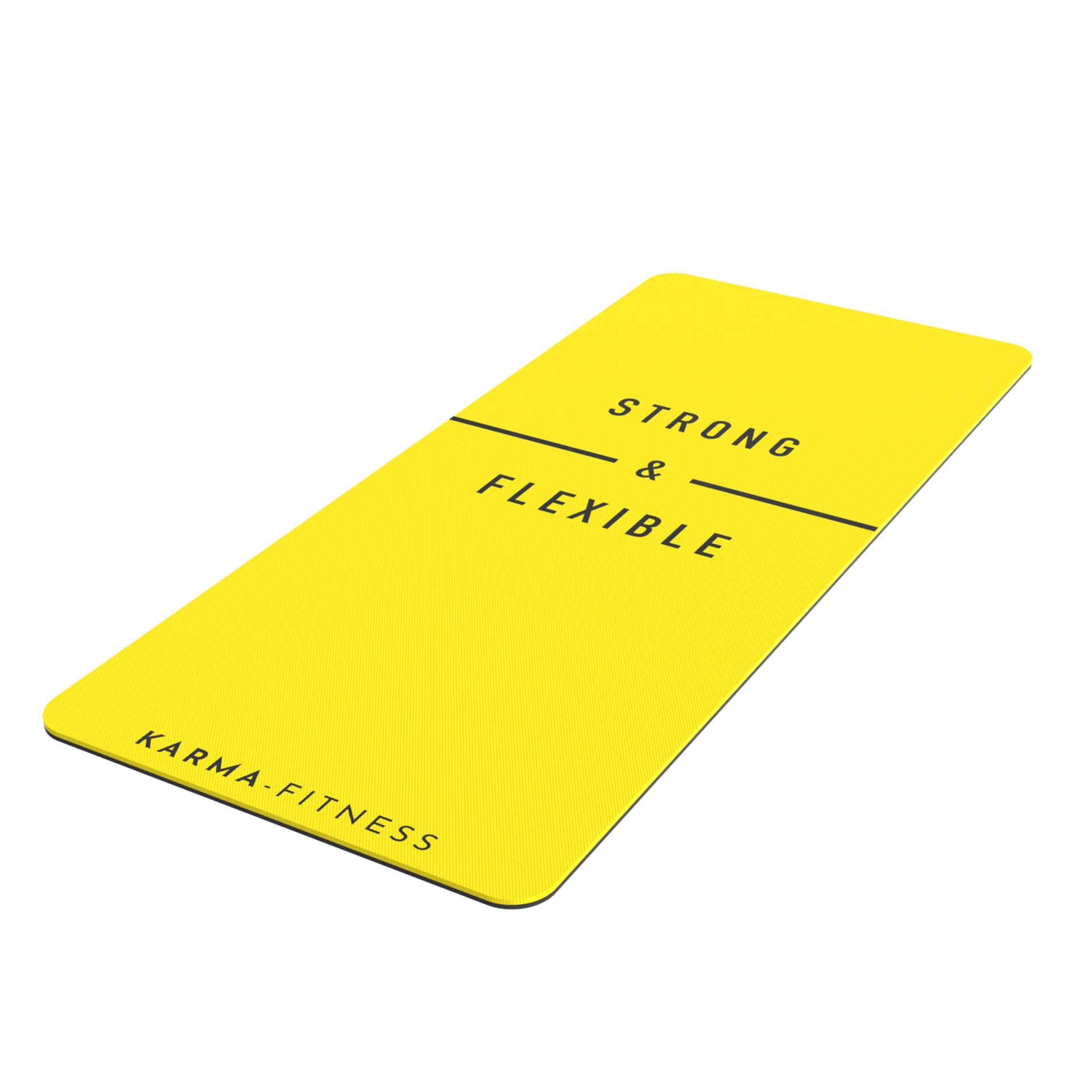
If you sell the same product in several colors, you are in the category where 3D pays back fastest. The reason is arithmetic. Photography prices by the shoot, so eight colors means eight sets of samples, eight setups and eight rounds of retouching. A model prices the build once, and each additional color is a material change and a re-render.
Why photographed ranges look inconsistent
When a collection page is assembled from separate shoots, the differences show. Slightly different light, slightly different camera height, a sample that arrived with a scuff, one color shot in a different week under different conditions. Individually, none of it matters. Side by side in a grid, the range looks like it came from three suppliers.
A buyer reads that as carelessness, and on marketplaces it directly affects which variant they click.
Every colorway rendered from one model shares the same camera, the same lighting and the same material behaviour. The only thing that changes is the one thing that is supposed to change.
How color accuracy is actually controlled
Getting a color right in 3D is not a case of typing in a hex code and hoping.
Start from a real reference. A Pantone reference, a physical sample, or a color-managed photograph of the produced item. A screenshot from your own website is the worst source, because it has already been through someone else's lighting and compression.
Match the finish, not just the hue. Matte, gloss, soft-touch and metallic surfaces of the same nominal color read completely differently. Most color complaints are actually finish complaints.
Check under the shipping light setup. A color tuned under one lighting rig can drift under another, so the check has to happen in the same scene the listing images use.
Sign off against a real sample where one exists. For pre-production colors, sign off against the physical swatch or printed artwork instead. Karma Fitness got six colorways from a single flat print file this way.
What a colorway set should cost
The model build carries the first product. After that, color variants are among the cheapest renders you can buy: our catalog rate lands in the low forties per render at volume, against the $100 to $500 per image that studios commonly quote for one-off packshots.
For a launch with four colors and six angles each, that is twenty-four images from one build, produced in days rather than across weeks of sample logistics.
Launch before production
The strategic advantage is timing. Color decisions are usually made before a production run, which means you can have the imagery for every candidate color before you commit to manufacturing any of them.
That lets you do things photography cannot: pre-sell a color to see which sells, show retail buyers the full range at a trade meeting before tooling, or run a launch campaign the week production lands rather than six weeks later.
It also protects you when a color is dropped. Nothing was shot, nothing was shipped, and the render simply stays unpublished.
How to brief one properly
- Send the artwork or Pantone reference for each color, not screenshots
- Say which finish each color uses
- Confirm whether hardware, straps, lids or trim change with the color
- Decide the angle set once, and apply it to every variant
- Name your files by SKU so the marketplace upload is mechanical
Then the range goes up as a set, looking like one brand.
Send us your product and one color reference and we will show you what the range looks like for $130.
See this quality on your own product
First-time clients get a complete, high-resolution 3D render of their product for $130. Judge the quality before committing to a full package.