Yes, Amazon allows AI-generated product images. There is no blanket ban. The rule that matters is not about how an image was made, it is about whether the image tells the truth about the product a customer will receive.
That distinction decides whether your listing stays up.
What Amazon's image policy actually requires
Amazon's product image guidance is output-focused. Images must accurately represent the product, show the real scale, quantity and color, and meet the standard technical specification. The main image must sit on a pure white background, fill roughly 85 percent of the frame, contain no text, logos, watermarks or props, and be a clear, non-pixelated photograph or illustration of the actual product.
Nothing in that list mentions cameras, renders or AI. A photograph that misrepresents the product breaks the rule. A render that represents it faithfully does not.
The enforcement consequence is worth quoting plainly: if there is no main image that meets the requirements, Amazon may suppress the listing from search until a compliant main image is provided. Suppression is not a warning email. It is your product disappearing from results while your ad spend keeps running.
The July 2026 change: AI-generated people
In July 2026 Amazon told sellers to identify listing media containing photorealistic people generated entirely by AI, tagging the file with specific metadata before upload. The change followed a New York disclosure law covering synthetic performers, and Amazon indicated it will show a shopper-facing indicator on affected media.
Three things follow from this:
- The rule covers people, not products. A generated image of your bottle needs no AI tag.
- If your lifestyle images use an AI-generated model holding your product, you are inside the rule.
- Labelled AI content tends to attract lower engagement, so a visible AI indicator on your best lifestyle image is a conversion question as well as a compliance one.
Where sellers actually get caught
Almost never for using AI as such. Nearly always for one of these:
Invented details. The generator adds a button, a vent, or a seam that your product does not have. The buyer receives something different, leaves a photo review, and the complaint lands under inaccurate representation.
Wrong color or finish. Generators drift on color, especially on metallics, translucent plastics and powder coats. Color disputes drive returns, and returns drive listing health down.
Mangled text. Logos, ingredient panels and warning labels come out subtly wrong. On a supplement or cosmetic, that is a regulatory problem, not just an aesthetic one.
Wrong scale. The image implies a size the product does not have. This is the single most common cause of size-related returns.
Props that are not included. A generated scene adds accessories that do not ship in the box, which breaks the main-image rules outright.
The practical workflow if you use AI
- Keep the original source photographs of your physical product on file, so you can demonstrate the connection between the real item and the generated image if Amazon ever asks.
- Never let AI produce your main image unless you can verify color, proportion and every visible feature against the physical product.
- Check every generated frame at full resolution for warped text and invented geometry.
- Tag any image containing a photorealistic AI person before upload.
Why renders sidestep most of this
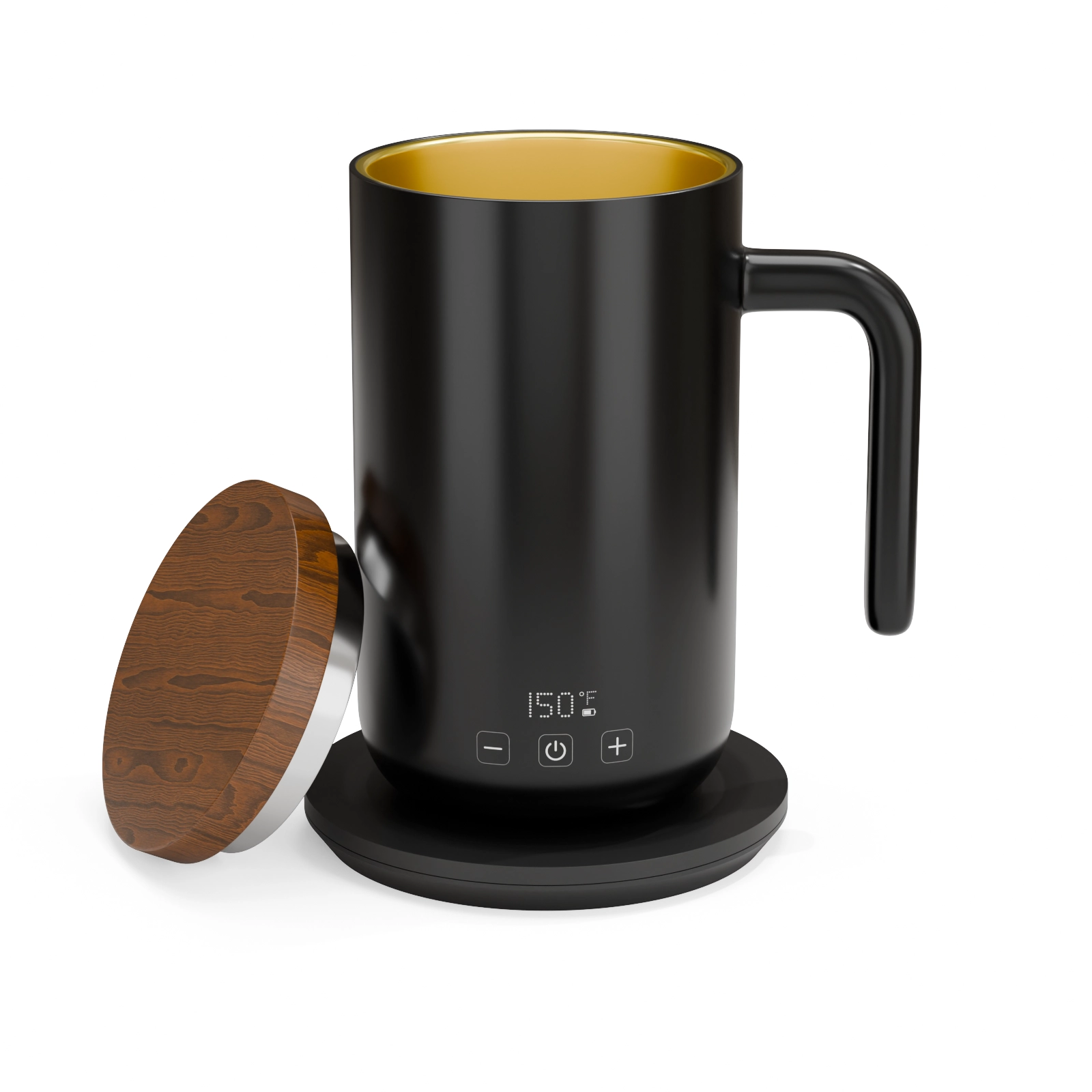
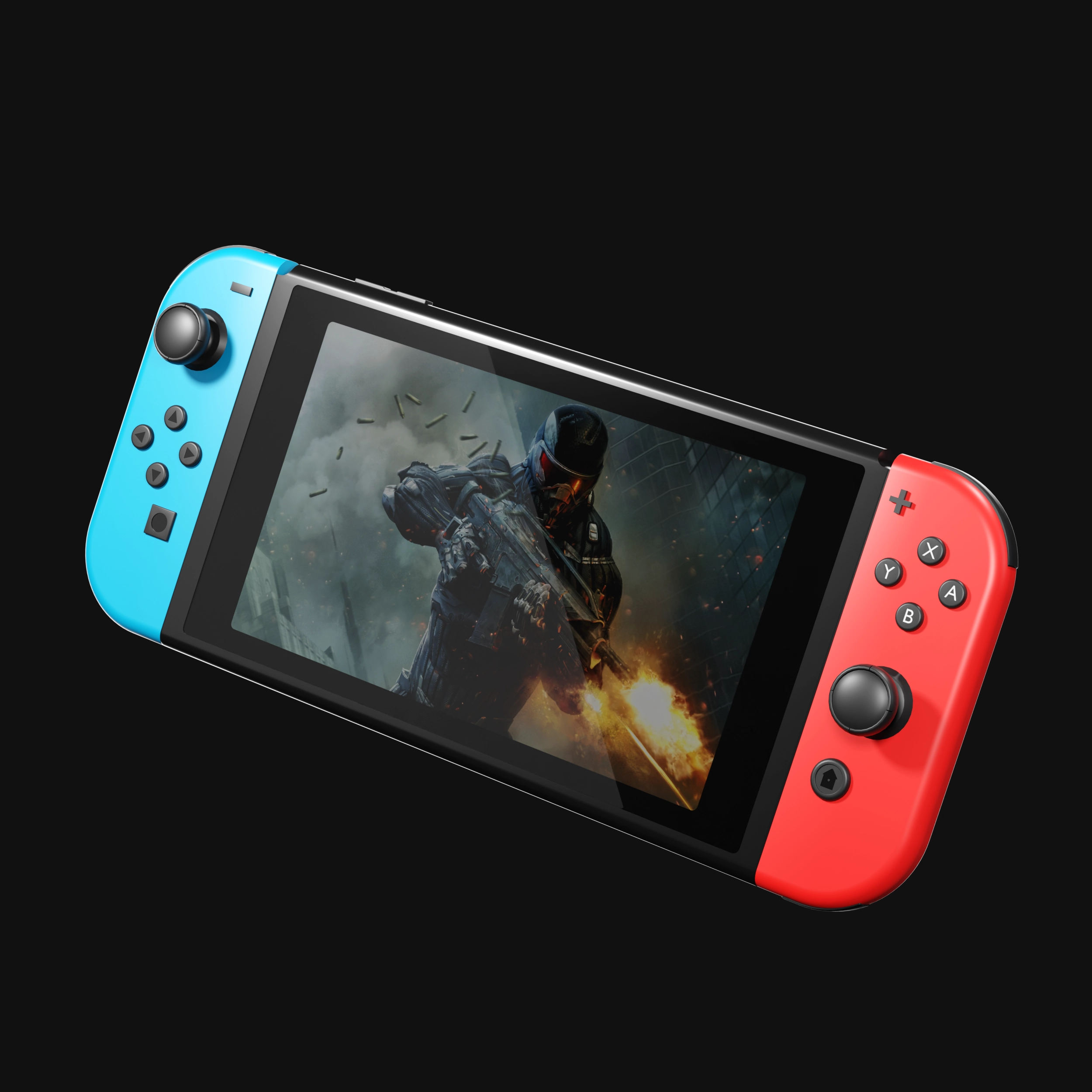
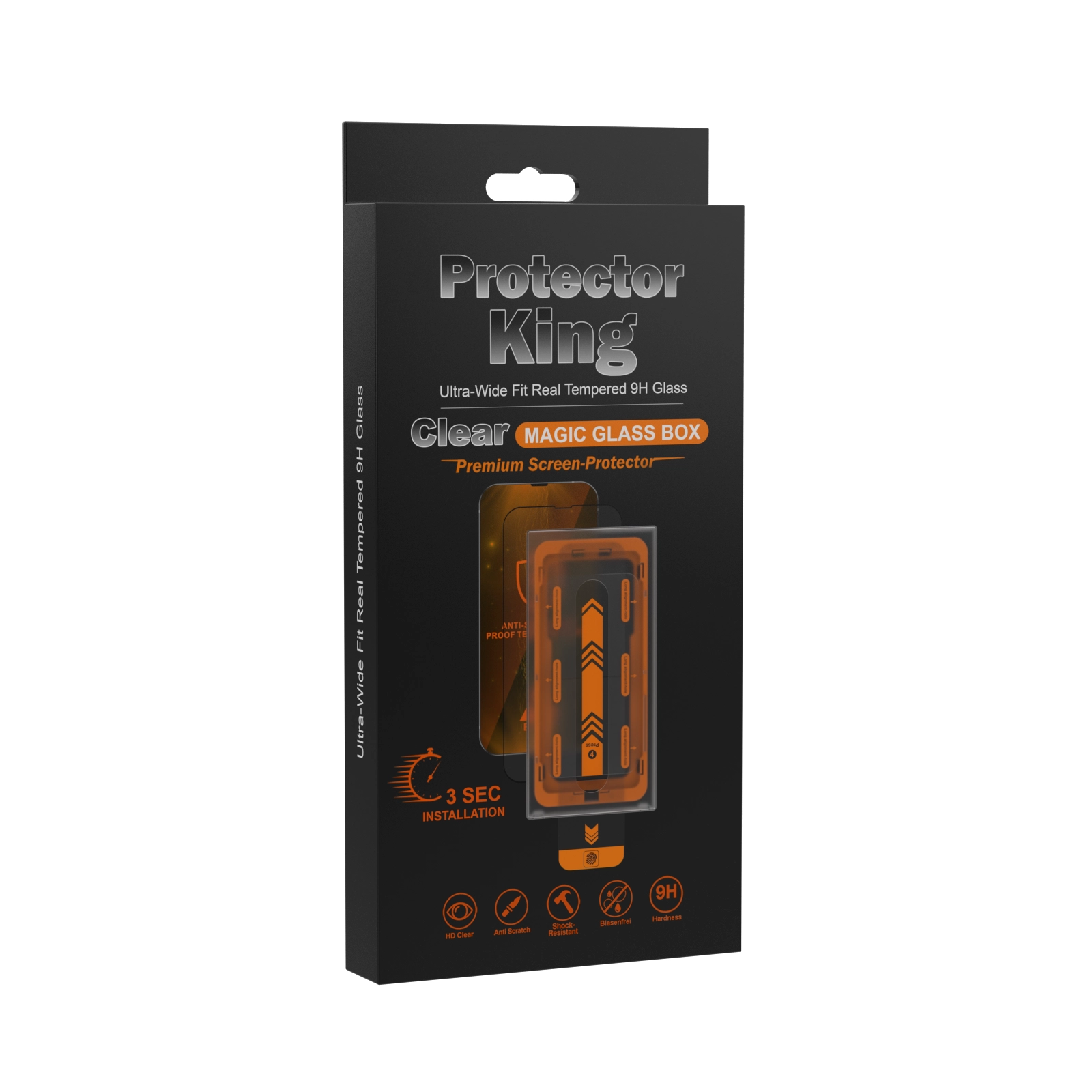
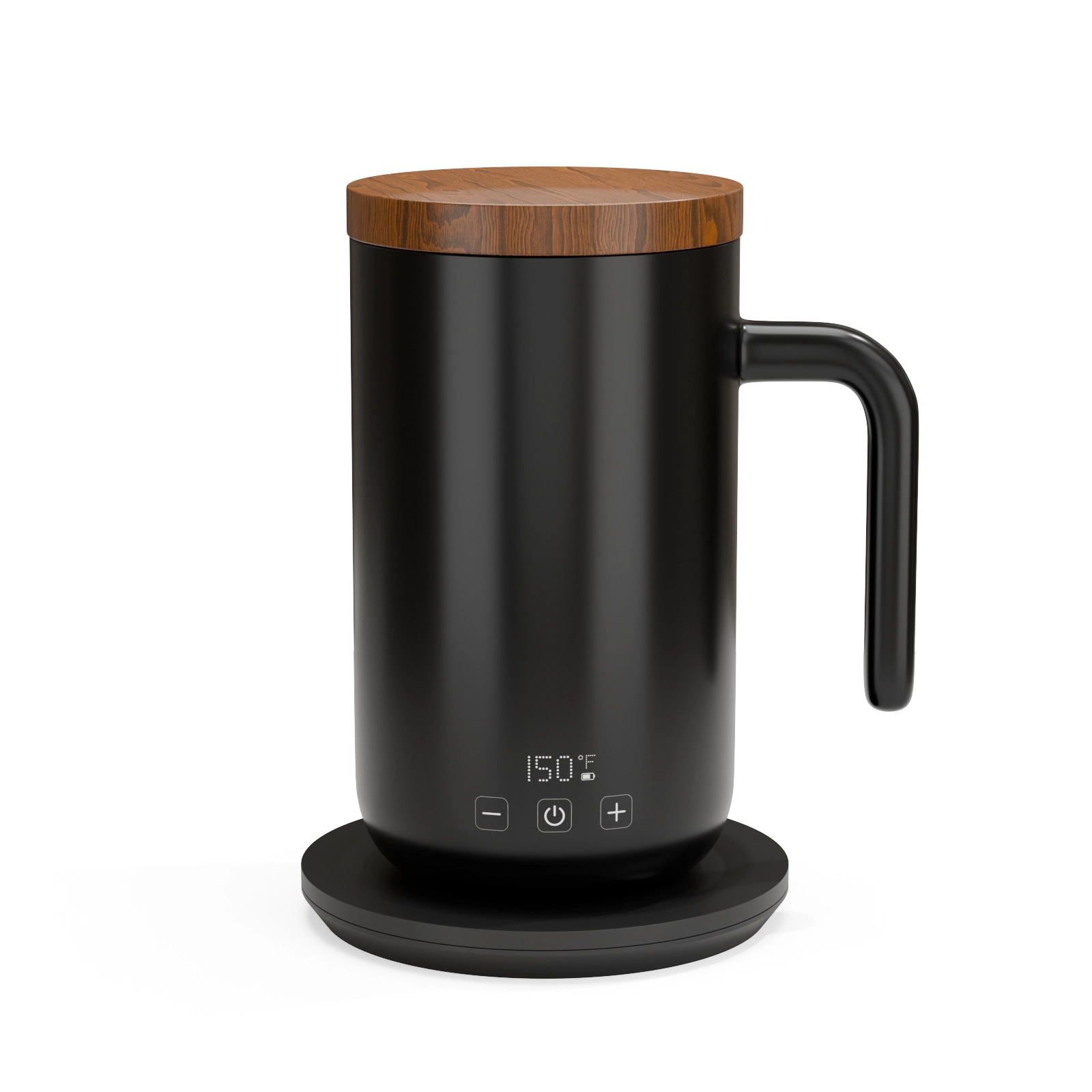
A render is generated from a model of your actual product, built from your CAD file, spec sheet or samples. The dimensions come from your drawings, the color from your reference, and the logo from your artwork file. Accuracy is not something you check afterwards; it is a property of how the image was made.
That is also why renders survive a zoom. A buyer inspecting a close crop of a generated image is looking for the mistake. On a render built from your own files, there is nothing to find.
If you are weighing the two, read our breakdown of AI product photos versus 3D rendering, or test our quality on your own product for $130.
See this quality on your own product
First-time clients get a complete, high-resolution 3D render of their product for $130. Judge the quality before committing to a full package.