Video sits in the listing gallery, in A+ Content, in Sponsored Brands video ads and on your Store pages. Each placement rewards a different edit of the same material, which is why a single sixty-second brand film usually underperforms four purpose-cut clips.
The technical baseline
Aim for MP4 or MOV, H.264, with AAC audio. 1920 by 1080 at minimum, square or vertical crops for the placements that need them, and a file that stays well under the platform's upload ceiling. Keep the frame rate standard at 24, 25 or 30, and deliver clean masters rather than heavily compressed exports, because Amazon re-encodes on ingest and compression artifacts compound.
Two practical rules that matter more than the codec:
Legibility at thumbnail size. Text that reads on your monitor frequently disappears on a phone in a gallery strip.
No sound dependency. Most listing video is watched muted. If the point of the video is in the voiceover, the point is lost.
Length by placement
- Gallery video: 15 to 30 seconds. Its job is to answer one question a still cannot.
- A+ Content module: 20 to 45 seconds, since the viewer is already reading and more committed.
- Sponsored Brands video: 15 to 20 seconds, with the product visible in the first two.
- Store page hero: can run longer, and is the only place a brand film really belongs.
What actually converts
The mechanism. How it opens, folds, attaches, seals or charges. This is the highest-value fifteen seconds you can produce, because it removes the doubt that stops the order.
Scale in context. A size chart is a claim. Seeing the product in a hand or on a desk is proof.
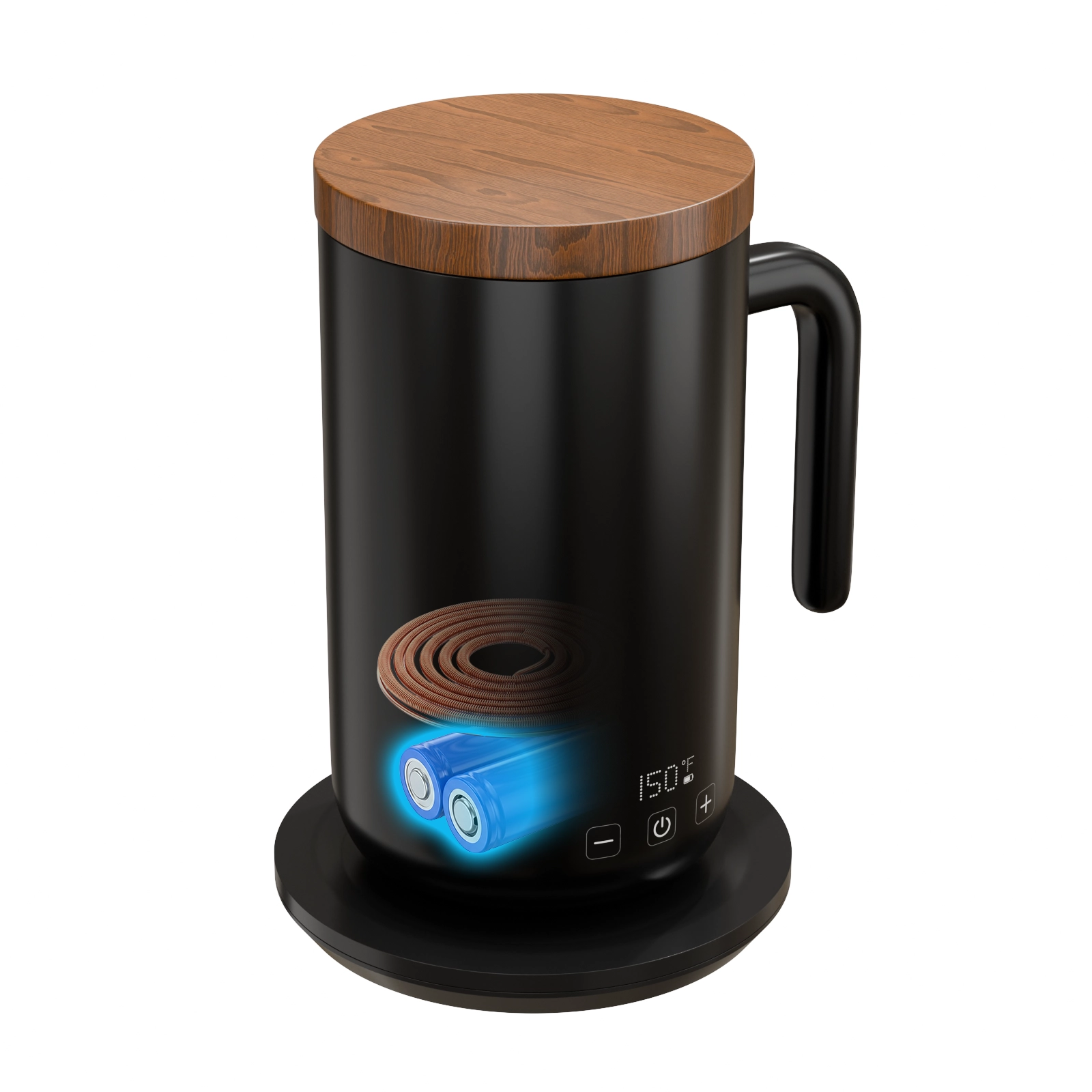
What is inside. Insulation layers, filter stages, internal construction. Buyers paying a premium want to see what they are paying for.
What comes in the box. Trivial to produce and disproportionately effective at reducing pre-purchase questions.
Where 3D animation beats filming
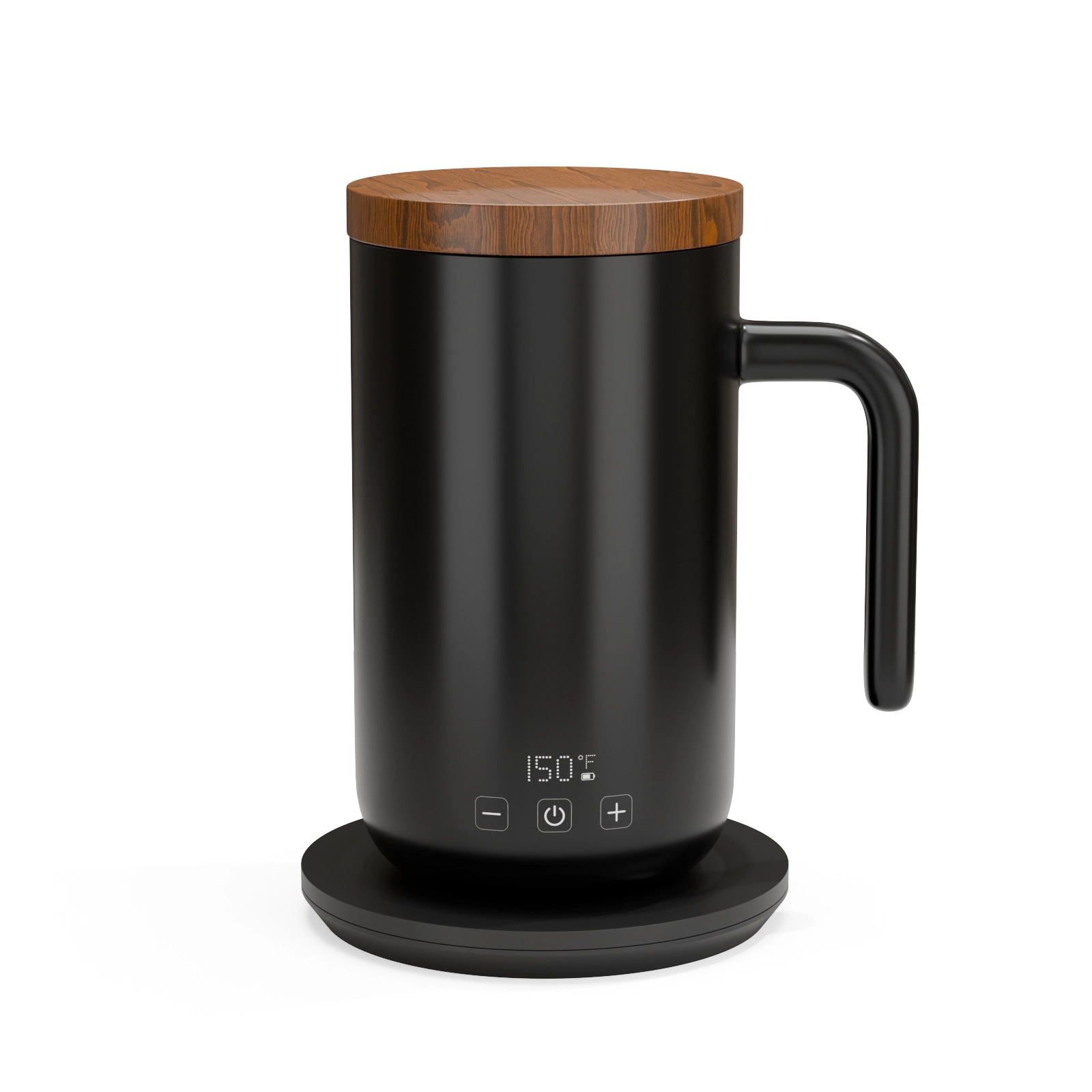
A camera cannot see inside a sealed product, cannot show a cutaway without destroying a unit, and cannot film a product that has not been manufactured. Animation handles all three.
It is also the only practical way to keep a video library current across a variant range. When the model exists, a new color or a new size is a re-render of the same sequence rather than a new shoot day.
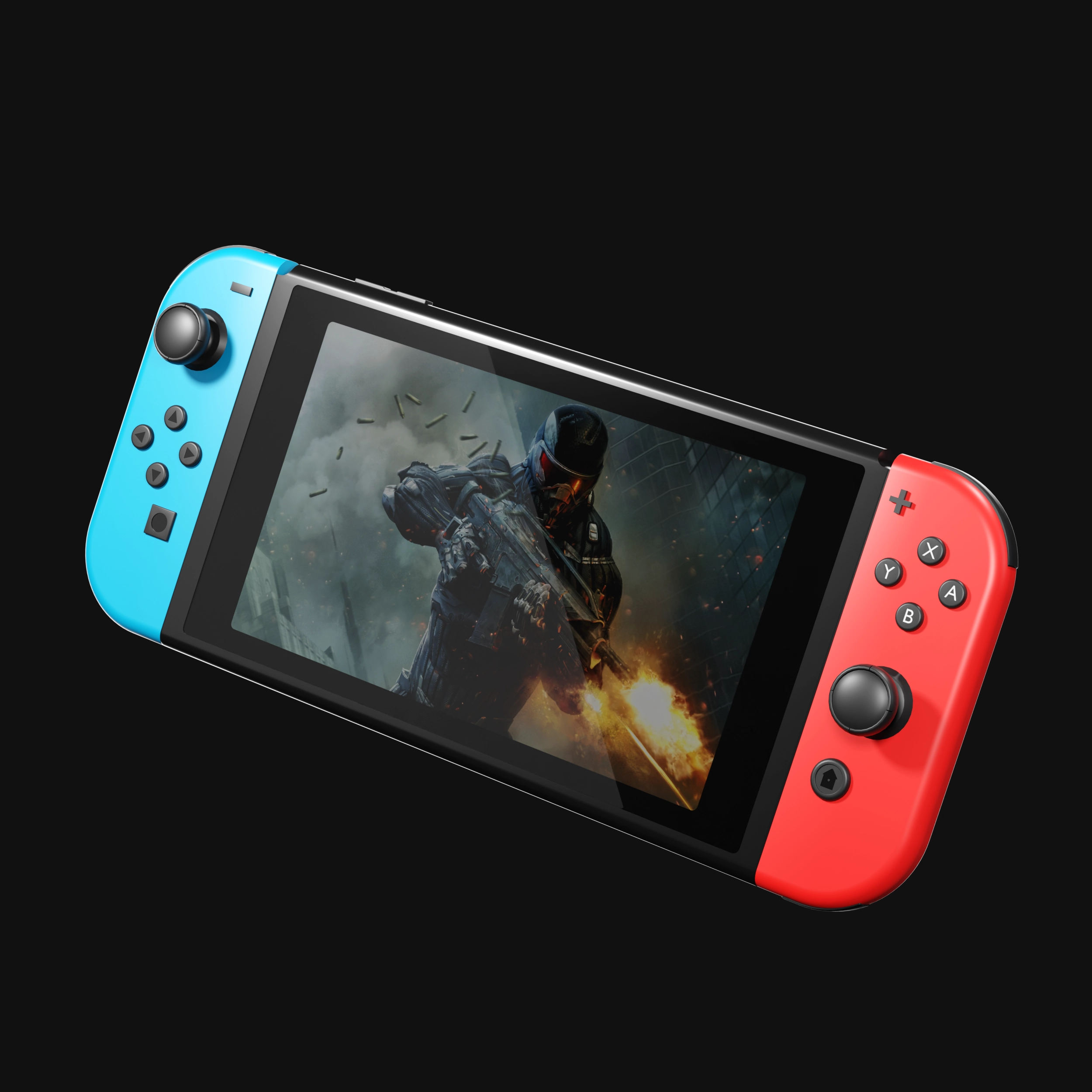
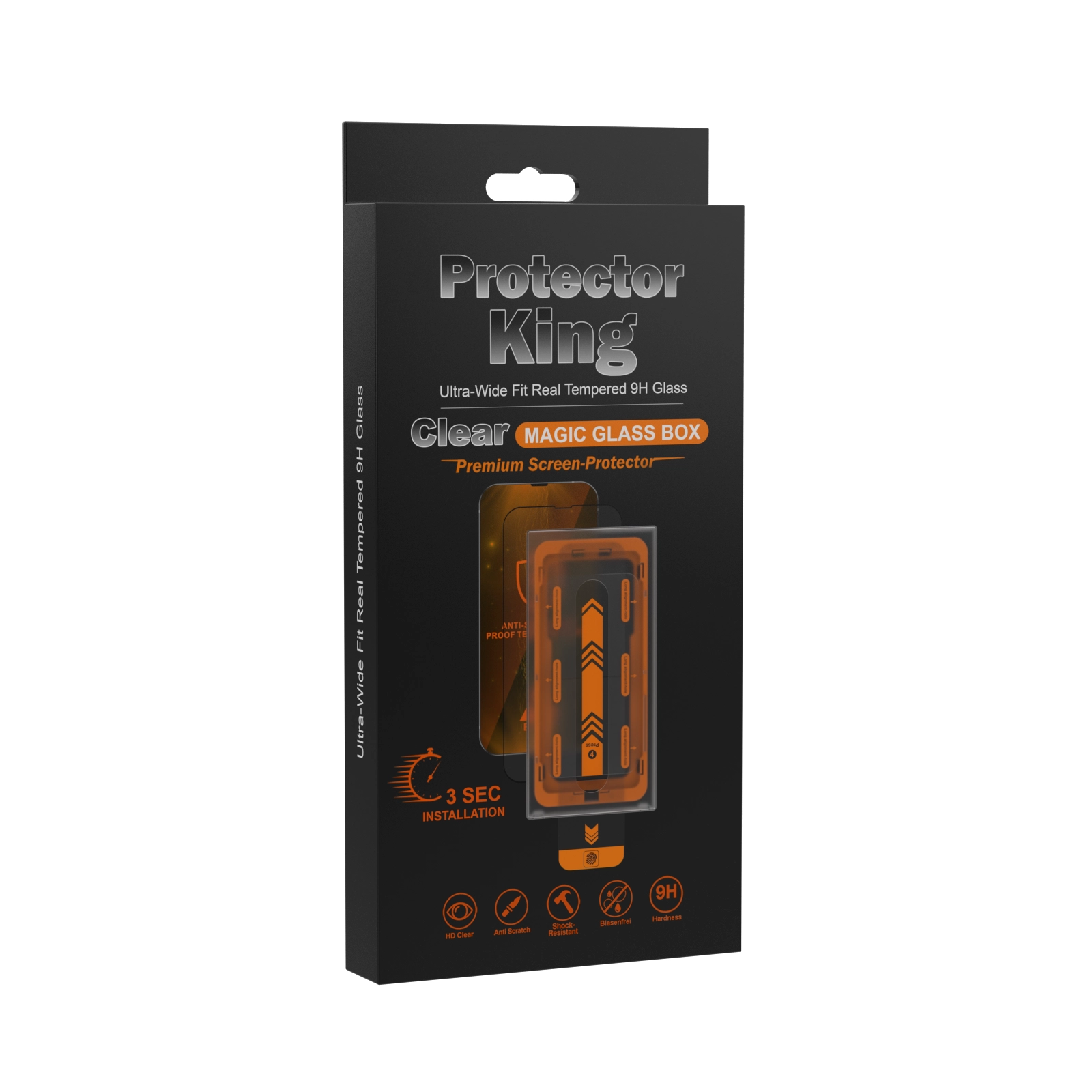
Typical formats we deliver: a 360 spin for the gallery, a feature callout sequence for A+ Content, an exploded view for technical products, and a short cinematic cut for ads. All four come from one model. Our animation page shows the formats side by side.
A realistic production order
- Model the product, or reuse the model from your stills.
- Cut the gallery clip first, since it earns the most.
- Produce the feature sequence for A+ Content.
- Derive the vertical and square crops for ads from the same renders.
- Keep the project file so the next variant is a re-render.
The mistake to avoid
Do not commission one long film and slice it up afterwards. Ad placements need the product on screen immediately, gallery clips need to answer a single question, and A+ modules need to match the copy beside them. Deciding that at the storyboard stage costs nothing; discovering it in the edit costs a round of revisions.
If you want to see what your product looks like in motion before committing to a full set, start with a test render and we will tell you which animation format your listing needs most.
See this quality on your own product
First-time clients get a complete, high-resolution 3D render of their product for $130. Judge the quality before committing to a full package.