Use an AI image generator for speed and experiments. Use 3D rendering wherever accuracy and consistency decide whether someone buys. That is the short version, and most brands should be doing both rather than choosing a side.
Here is how the two actually differ once you get past the demos.
They are not the same kind of tool
An AI generator produces an image that resembles your product. It works by prediction: it has an existing photo or a prompt, and it fills in everything else with what usually looks right.
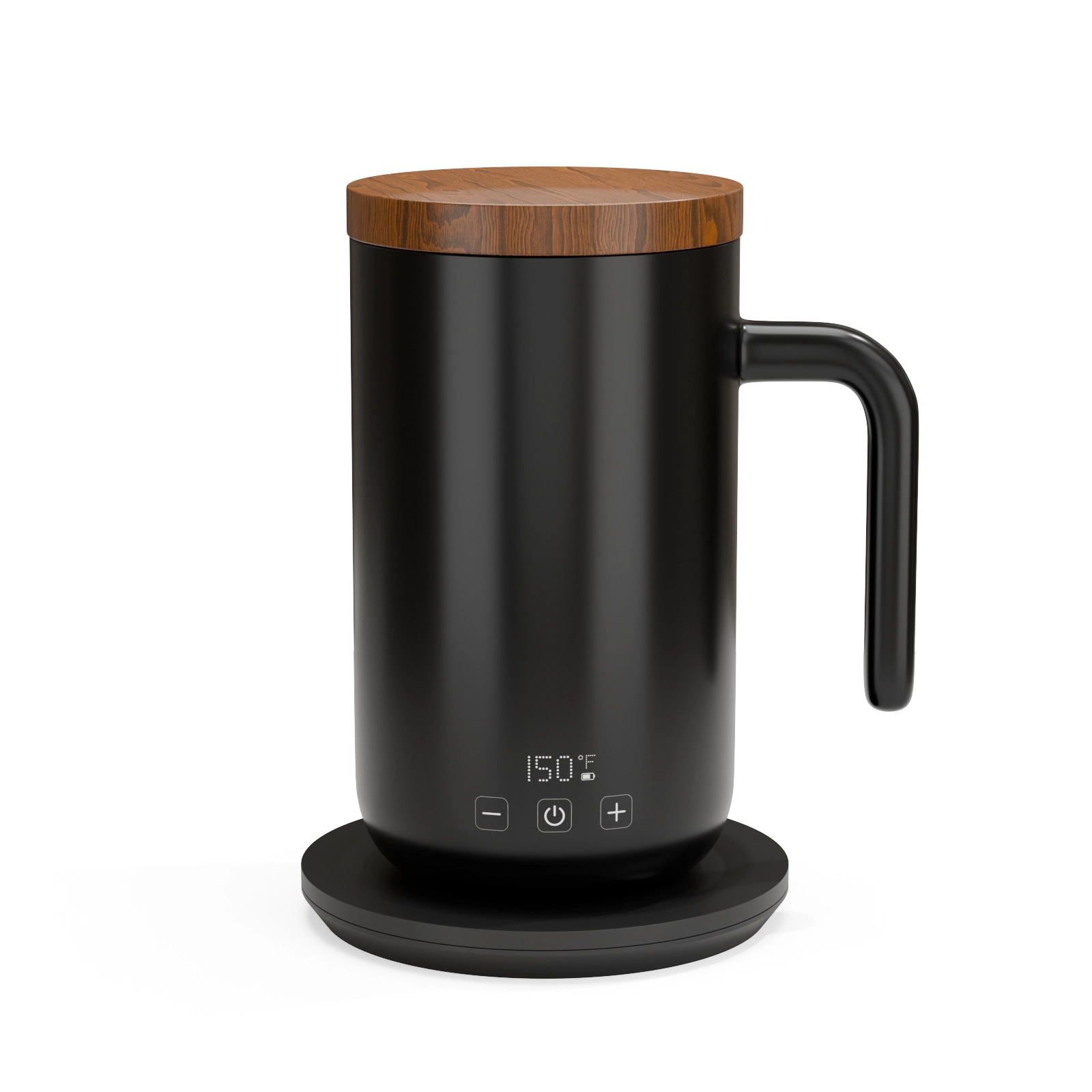
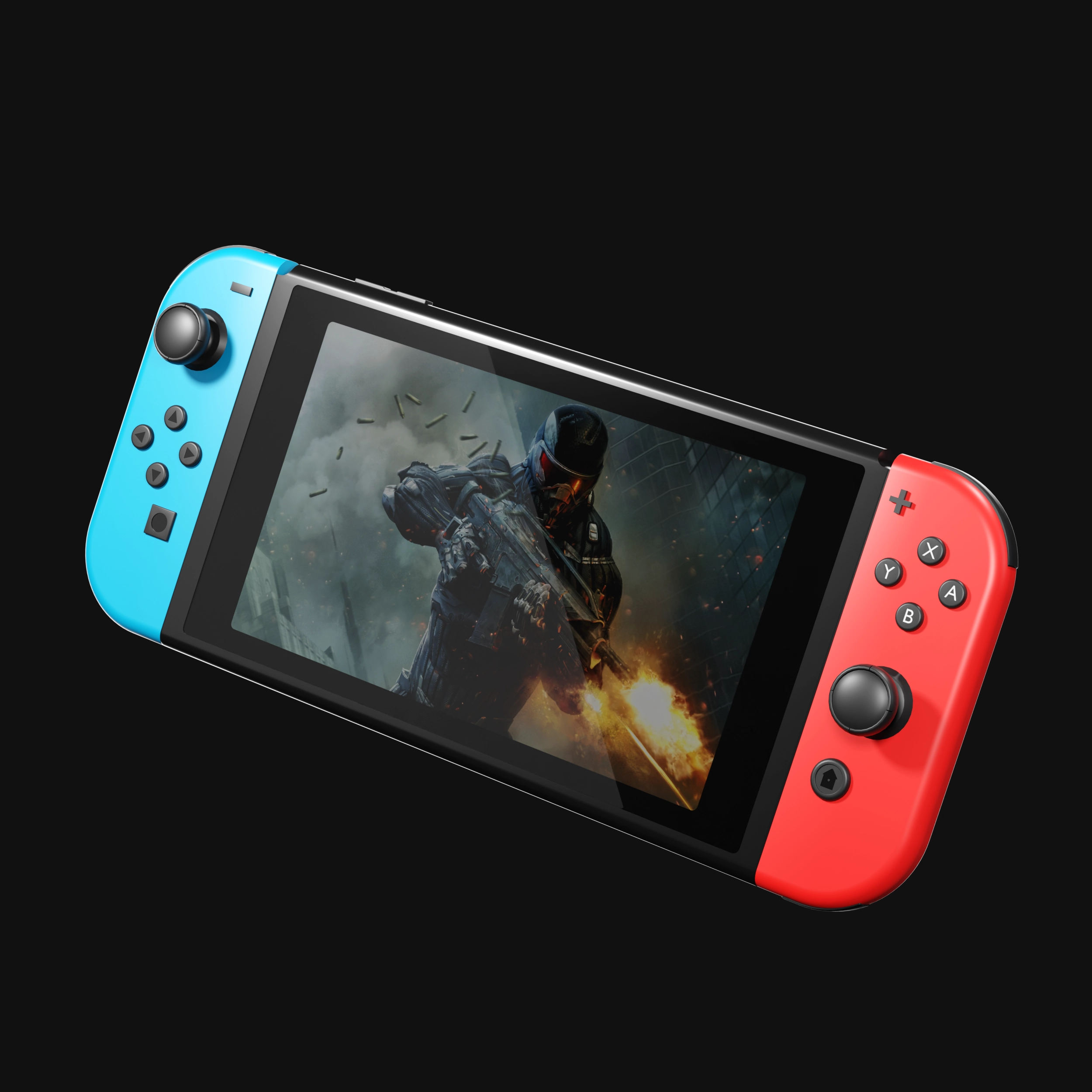
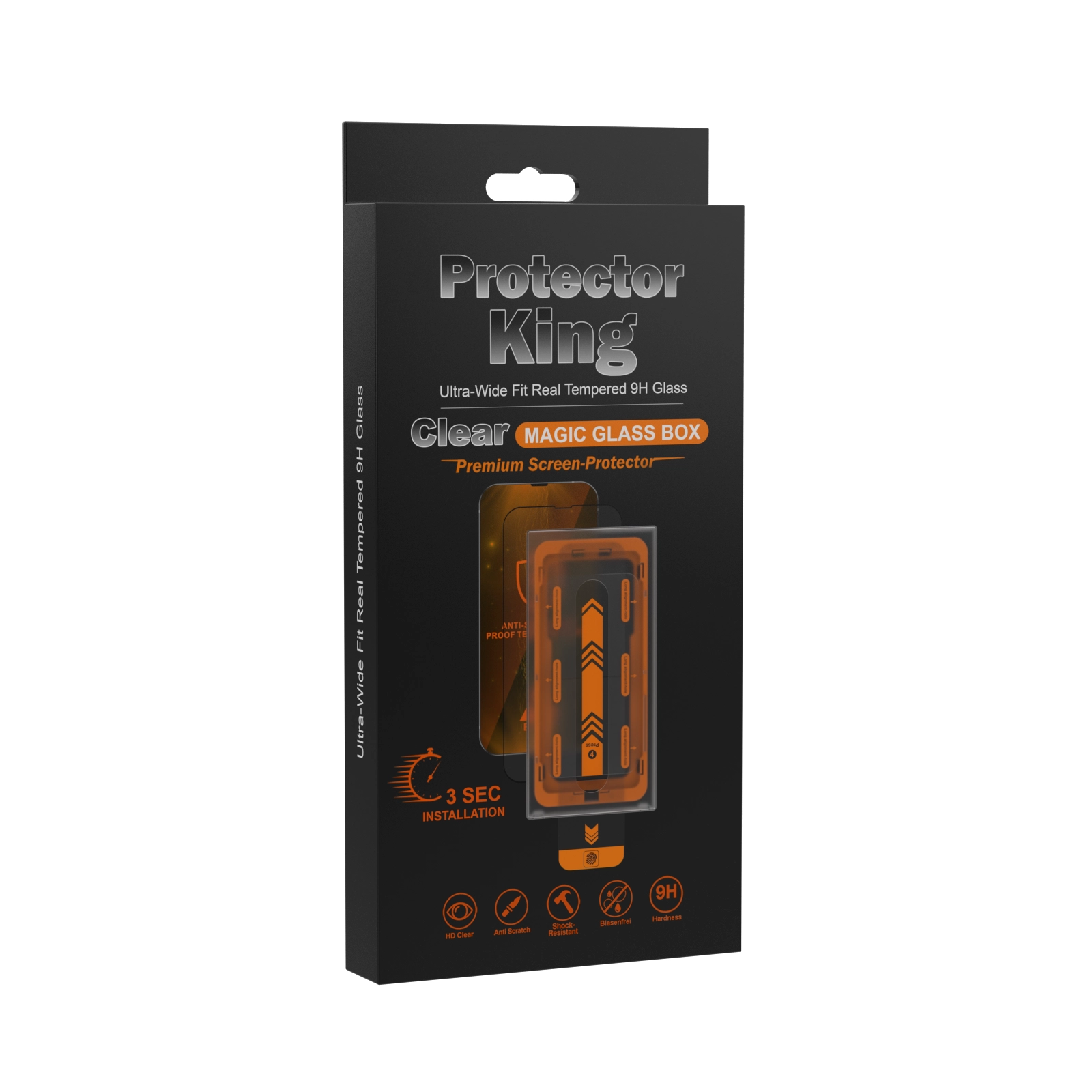
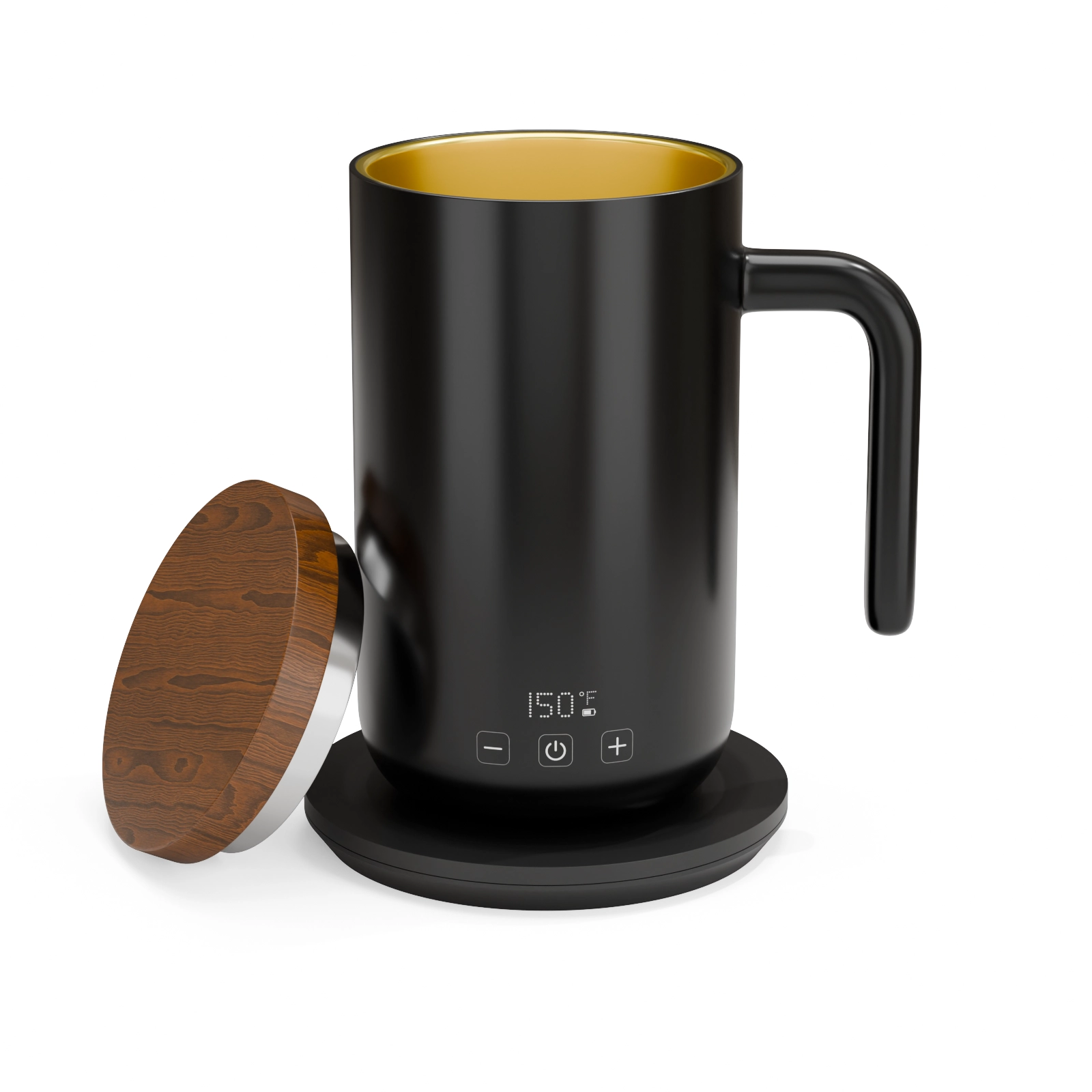
A 3D render is a photograph of a model. The model is built from your CAD, spec sheet, print artwork or reference photos, so the geometry, dimensions, materials and branding are the ones you supplied.
That difference is invisible in a thumbnail and obvious in a close crop.
Where AI clearly wins
Cost per image. AI tools price per render, often well under a dollar on a monthly plan. Nothing else competes.
Speed of iteration. Ten background options in ten minutes is genuinely useful for testing an idea before committing.
Concept and mood work. Early-stage visuals that nobody will ever publish as a listing image.
Social variants at volume. Where the product is already established and the image is decoration rather than proof.
Where 3D rendering wins
Anything that must be exact. Main listing images, packaging, spec pages, A+ content. Amazon's rules require images to represent the real product accurately, and an inaccurate main image can get a listing suppressed.
Products that do not exist yet. AI needs a reference photo. A model can be built from a print file or a CAD drawing months before production. We built an entire mat range for Karma Fitness from one flat PDF.
Catalog consistency. Every generation is a fresh roll of the dice. A model gives you the same camera, light and material across forty SKUs and every colorway.
Internals. X-ray views, exploded assemblies and mechanisms mid-movement need real geometry. There is nothing to cut open inside a generated image.
Reuse. After an AI job you have image files. After a 3D job you have a model, and next season's color is a re-render rather than a new project.
The cost comparison people get wrong
Per image, AI is cheaper by an enormous margin. Per year, the comparison changes shape.
A 3D model carries a one-time build cost. Every image after that is inexpensive, and the per-image price keeps falling as you add angles, colorways and sizes. Our catalog work lands under $45 per render at volume, against $100 to $500 per image quoted across the industry for studio packshots.
An AI workflow has no build cost and no accumulation. Each new requirement starts from zero, and each output needs checking.
So the honest rule is: if you will need this product photographed more than once, the model pays. If it is genuinely one throwaway image, it does not.
What we would never hand to a generator
- The main listing image
- Any image showing dimensions or scale
- Packaging with real text on it
- Ingredient panels, certifications or warning labels
- Colorway ranges that must match each other
- Anything a buyer will zoom into before paying
A sane hybrid
Build the model once. Render the images that have to be right. Use AI for background plates, upscaling, and concept exploration around that model. You get the speed without betting your listing health on a prediction.
If you want to see the difference on your own product, our test render is $130 and credited back against your first full project.
See this quality on your own product
First-time clients get a complete, high-resolution 3D render of their product for $130. Judge the quality before committing to a full package.