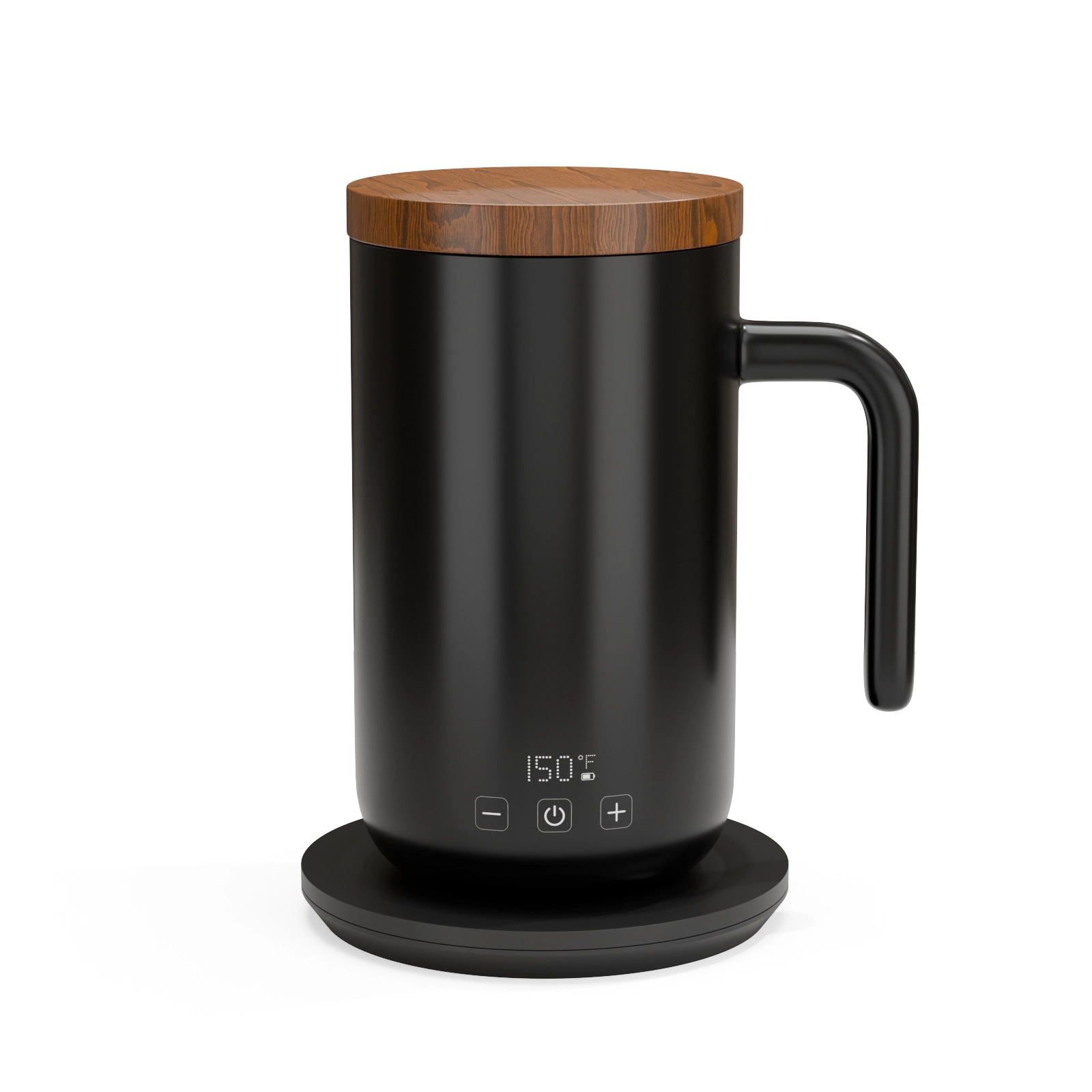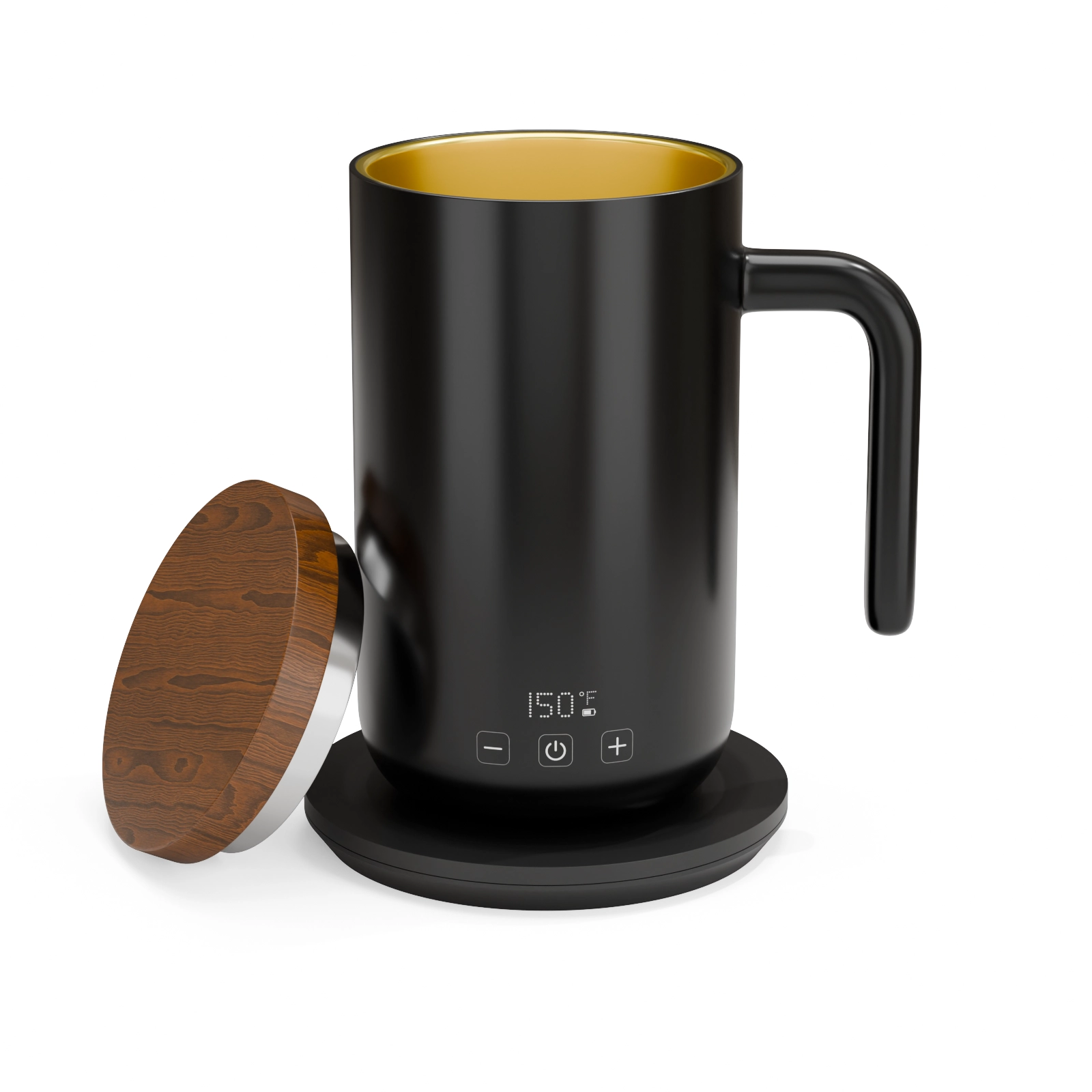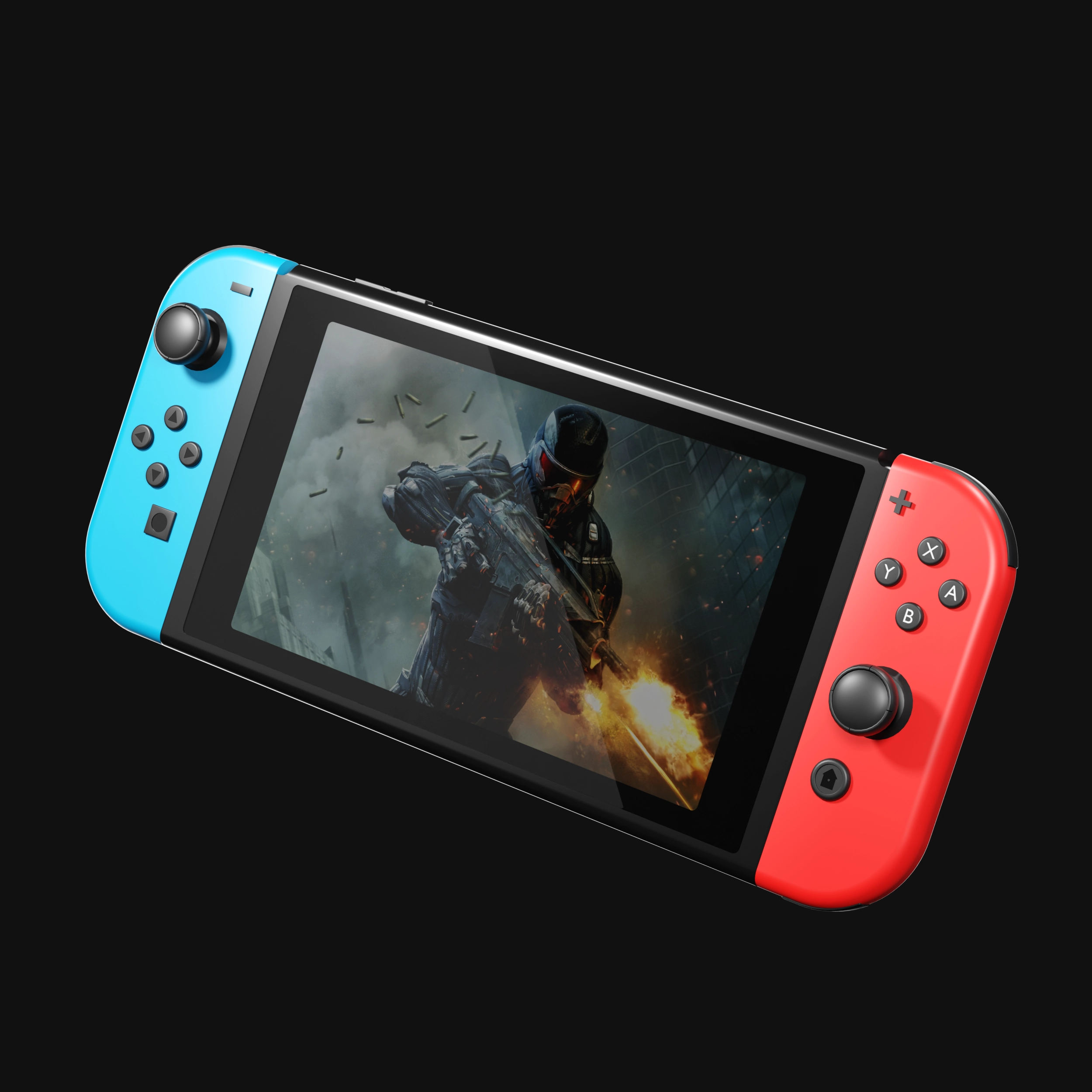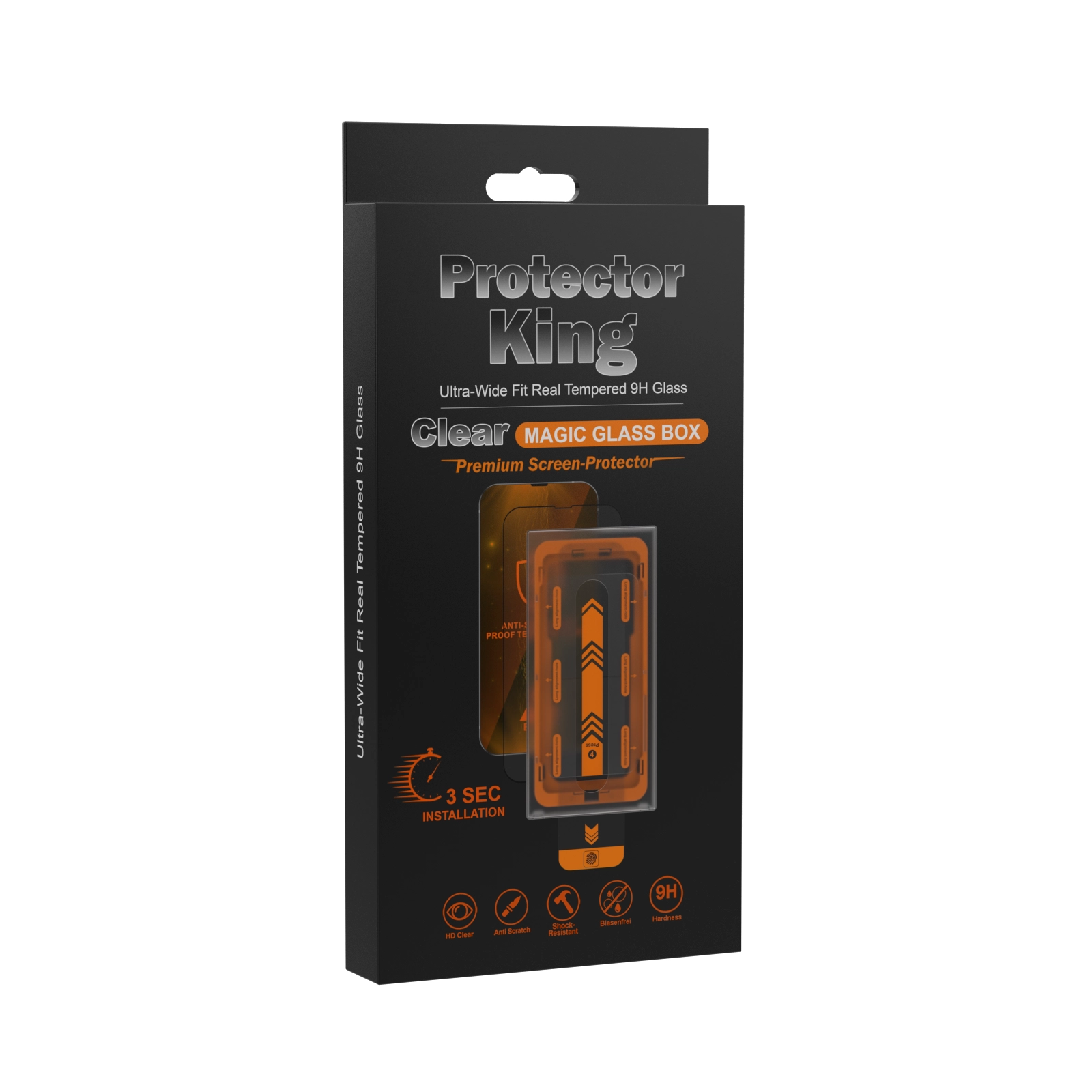
Amazon does not suppress listings for using AI. It suppresses them when the main image breaks the rules or misrepresents the product. Generated imagery fails on both counts more often than sellers expect, usually in ways that are easy to miss on a phone screen and obvious at full resolution.
Here are the seven failures we see most, and the check for each.
1. Invented geometry
Generators add what usually belongs: a seam, a vent, a button, a strap loop. Your product does not have it, the customer notices on arrival, and the review says the photos were misleading.
Check: open the image at full size beside a photo of the real unit and compare edge by edge. Anything present in one and absent in the other is a problem.
2. Color drift
Metallics, translucent plastics and powder coats shift between generations. A burgundy becomes a warmer red, a matte finish gains a gloss it does not have.
Check: sample the hex value from a mid-tone of the render and from a color-managed photo of the product. If they are far apart by eye at full screen, fix it before uploading.
3. Mangled text
Logos come out subtly wrong, ingredient panels turn into noise, certification marks become approximations. On supplements, cosmetics and electronics this crosses from aesthetics into regulatory territory.
Check: zoom to 100 percent on every printed surface. If you cannot read it as your own artwork, do not publish it.
4. Implied scale that is wrong
The single biggest driver of size-related returns. A generated scene places your 350 ml bottle next to a laptop at a size that reads as 700 ml.
Check: include a known object or a dimension graphic built from real measurements rather than from the generator's sense of proportion.
5. Props that do not ship
Main images must show the product alone: no props, no extra items, no text or badges. Generated scenes add them cheerfully.
Check: on the main image, count the objects. There should be one.
6. A background that is not actually white
Amazon requires pure white on the main image, RGB 255, 255, 255. Generated backgrounds are frequently 250 or 252, which reads as clean on screen and fails the spec.
Check: sample three corners with a color picker. All three should read 255.
7. Resolution and artifacts
Upscaled output can carry soft edges, halo lines around the product, or smeared highlights. Amazon requires clear, non-pixelated images with no jagged edges, at a minimum of 500 and a maximum of 10,000 pixels on the longest side, with 1600 or more recommended for zoom.
Check: view at 100 percent, look along the product silhouette, and confirm the longest side clears 1600 pixels.
The pattern behind all seven
Every one of these is the same underlying issue: the image was predicted rather than constructed. The tool had to guess what it could not see, and the guess is wrong in a way that only matters when someone looks closely, which is exactly what a buyer does before spending money.
A render built from your CAD file or samples cannot invent a vent, because the geometry came from you. It cannot drift on color, because the material was set from your reference. It cannot mangle your logo, because the artwork file was applied to the surface.
If your current listing images came from a generator and you are not sure they would survive an audit, we will rebuild one product properly so you can compare. The test render is $130, credited against your first full project.
See this quality on your own product
First-time clients get a complete, high-resolution 3D render of their product for $130. Judge the quality before committing to a full package.