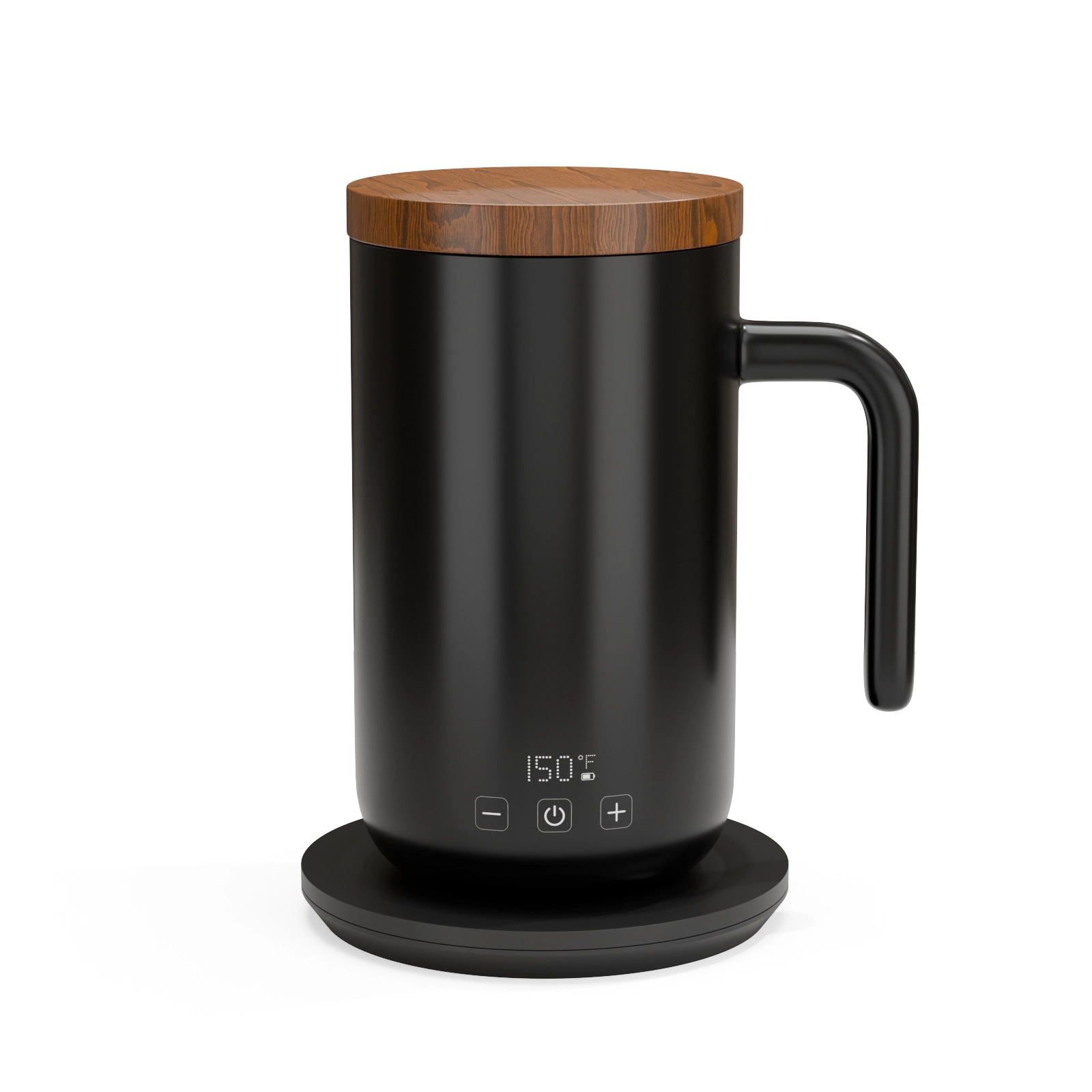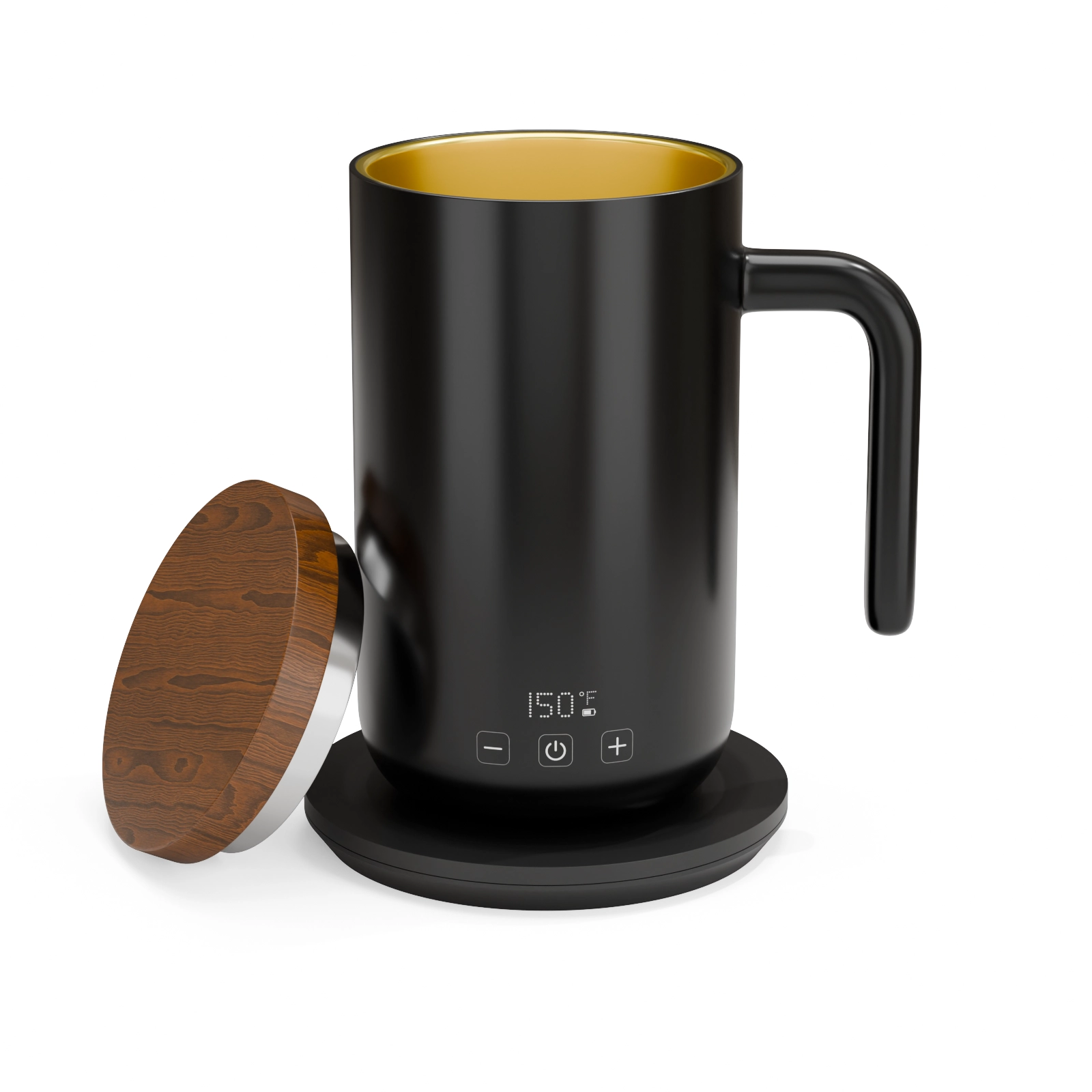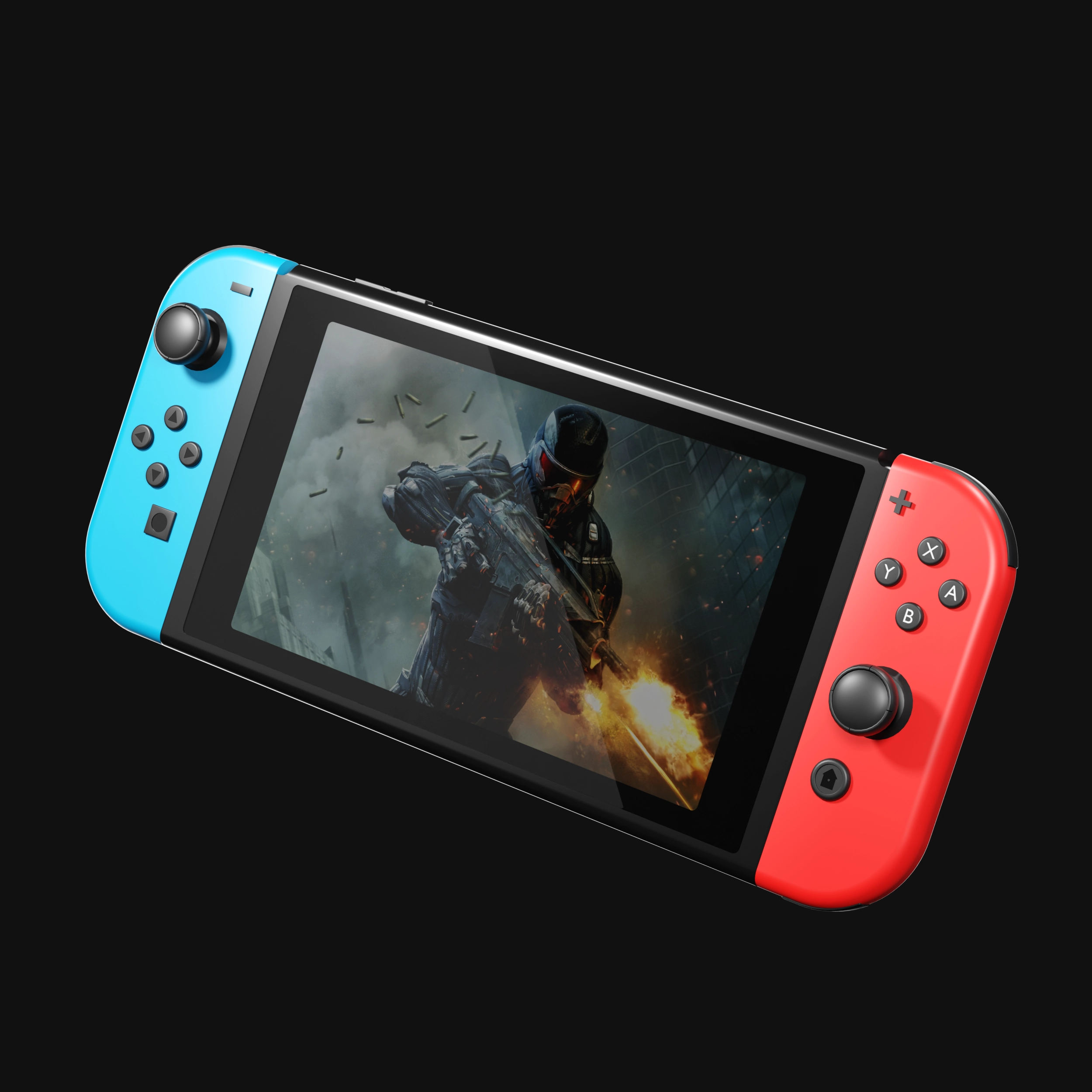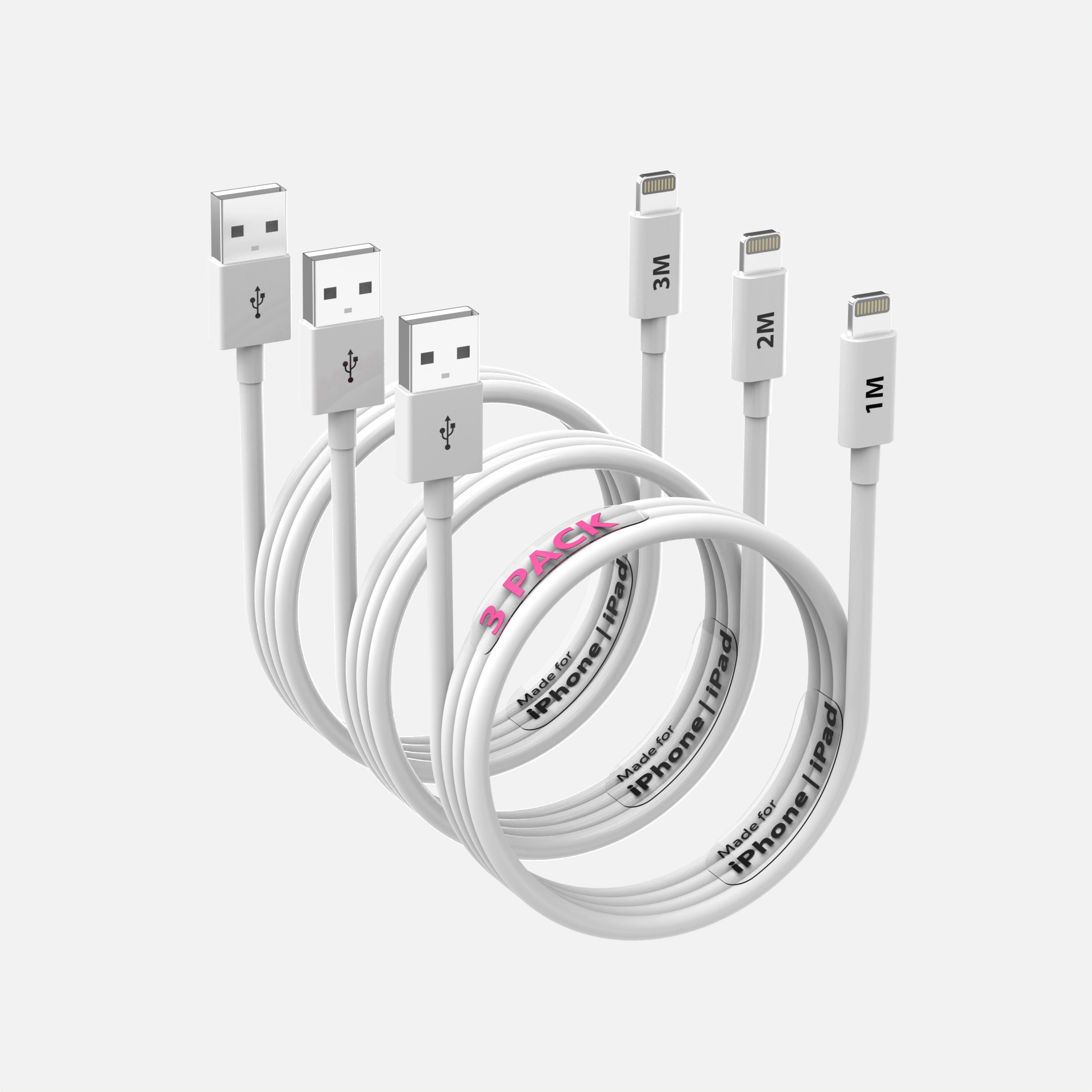
Compared per image, AI tools win by a distance. Subscription plans put generated images somewhere between a few cents and about a dollar each, while studio rendering is commonly quoted at $100 to $500 per image and photography rate cards start around $15 to $50 per packshot plus setup fees.
If that were the whole calculation, nobody would commission renders. Here is the rest of it.
What the per-image number leaves out
Rework. Generated images need checking and regenerating until the color, text and geometry are right, and for some products they never get there. Time spent re-prompting is real cost, usually yours rather than a vendor's.
Inconsistency across a set. Each generation is independent. Building a coherent eight-SKU collection page from a generator takes far longer than the first image suggests.
Nothing accumulates. After twelve months of AI images you own image files. After one model build you own the thing images come from, and the twelfth image costs a fraction of the first.
Risk. An inaccurate main image can get a listing suppressed, and returns caused by misleading imagery cost more than any imagery budget.
A year of imagery, both ways
Take a brand with eight SKUs, three colorways each, refreshing listings once and running two seasonal campaigns.
The AI route. Cheap per image, with most of the cost showing up as staff hours: sourcing reference photos, prompting, checking, fixing, and re-doing the ones that cannot be fixed. Fine for social variants and background tests. Unusable, in our experience, for main images and dimension graphics without a photographed or rendered base underneath.
The studio route. Higher at the start, because the models get built. Then every colorway, angle, seasonal scene and animation draws on the same asset. Per-render cost falls into the forties at catalog volume, and the campaign in month nine costs a fraction of the one in month one.
The crossover point is not far out. If a product needs more than a handful of images in its life, the model wins.
Where each one genuinely belongs
Use AI for: concept exploration, background options, social variants of established products, internal mockups, and anything disposable.
Use rendering for: main listing images, dimension and scale graphics, packaging, A+ Content, colorway ranges, internals and mechanisms, animation, interactive viewers, and any product that does not exist yet.
Use photography for: authentic brand storytelling with real people, and products whose appeal is genuinely about a real moment rather than the object.
Most brands need two of the three, and the combination usually costs less than doing everything one way.
The question to ask instead of "what does an image cost"
Ask what a year of imagery costs, and what you own at the end of it.
That reframing changes most decisions. It is also why our pricing is structured the way it is: the first project carries the model, and everything after it gets cheaper, from $290 for a first single-product project down to catalog rates in the low forties per render.
Our full breakdown is on the pricing page, and there is a longer piece on what drives the price of a render.
If you want a real number for your own catalog rather than an industry average, send us the SKU list and we will scope it. Or start with one product for $130 and judge the output before spending anything else.
See this quality on your own product
First-time clients get a complete, high-resolution 3D render of their product for $130. Judge the quality before committing to a full package.